Eminent Domain and Data Centers: A Reality Check
With data centers driving new transmission lines, power companies are increasingly using eminent domain to seize land.
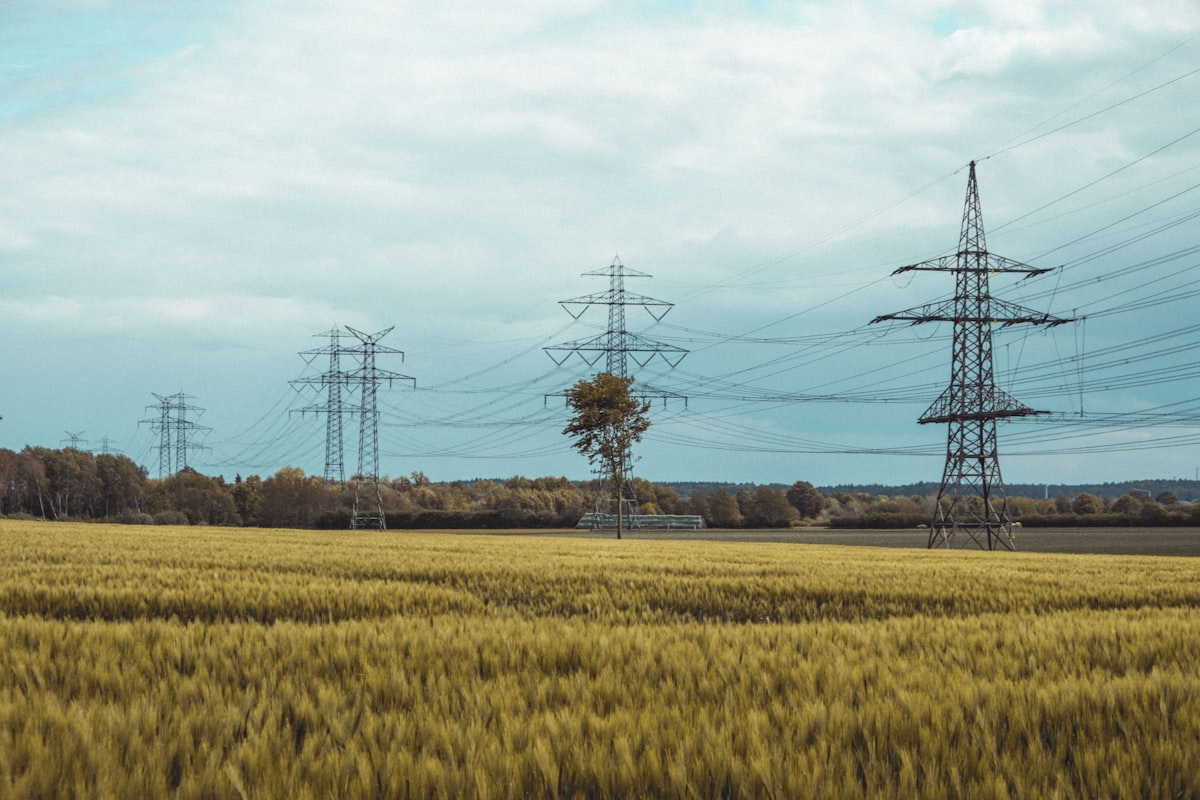
Eminent domain is becoming a flashpoint for data center expansion
The artificial intelligence surge is fueling a massive construction wave across the United States. It's a land rush. With over 3,000 data centers already operating and 1,500 more in development, the appetite for infrastructure is reaching a boiling point, and power companies are finding that building the necessary transmission lines is no longer just a matter of negotiation. But when private landowners refuse to sell, these companies are increasingly relying on eminent domain to seize property.
The mechanics of land seizure
It's a powerful tool, but it has limits. But these authorities often delegate the power to common carriers, such as power or water utilities, so states and local governments typically handle the process. So can't we trust them? Eminent domain allows the government to take private property for public use provided the owner receives just compensation, and while the federal government holds this power. Trust is earned.
What counts as public use? It's still a contentious issue. But in 2005, the Supreme Court ruled in Kelo v. City of New London that economic development could satisfy the public use requirement, and that specific project never materialized even though the precedent remains a powerful tool for developers and utilities who want to seize private land. We can't ignore it.
The public backlash is growing
Resistance is widespread. But here's the reality: public sentiment shows that 7 in 10 Americans oppose these projects in their own neighborhoods, and their concerns often center on specific community impacts.
- Higher utility bills for local residents
- Increased noise and environmental pollution
- Loss of valuable green space
- Massive consumption of electricity and water
The legal battle over grid reliability
Data centers are ravenous consumers of electricity. In 2024, they accounted for more than 4% of total national electricity use. But power companies argue that new transmission lines are necessary to maintain reliability because this demand strains the grid, and they often use this argument to justify taking land through eminent domain. It's a strain.

Courts don't always agree on what counts as a valid public benefit. So it's a contentious legal issue. But some states have pushed back against the logic that any private facility construction automatically qualifies for property seizure, and in Texas the state Supreme Court has established that a project cannot be built solely for a builder's exclusive use. It must serve a broader public purpose.
Challenging the power grab
You might think your land's safe. But courts in states like Michigan, Ohio, and Oklahoma have prohibited seizing land for private economic development, which gives you more power if a utility comes knocking on your door. So don't be fooled.
Geography matters in a potential condemnation. You'll have much stronger legal standing to challenge the seizure when a transmission line is designed to export power across state lines without providing any tangible benefit to local customers. So the Mississippi Supreme Court famously rejected a power company's effort to seize land for a line that provided no benefit to state residents. That's the truth.
What this means for your infrastructure strategy
Legal experts who study these disputes view the current tension as a modern struggle over the limits of government power. As one legal scholar noted, the situation reflects a long-standing debate:
I interpret today’s disputes over seizure of property for the benefit of AI infrastructure as the latest incarnation of a long-standing debate about the limits of taking private property for public use.
If your business depends on the local power grid's reliability, these disputes matter to you. Demand will only climb. But expect more transmission projects to pop up in your region as more data centers are built, and watch for state-specific rulings because your local protections are often your best defense against overreach.
Frequently Asked Questions
What is the role of eminent domain in data center expansion according to the article?
Eminent domain is becoming a flashpoint for data center expansion as power companies increasingly rely on it to seize property when private landowners refuse to sell land for transmission lines needed to support the infrastructure. States and local governments typically handle the process, as they delegate the power to common carriers like power or water utilities.
Why do power companies use eminent domain for data center transmission lines?
Power companies argue that new transmission lines are necessary to maintain grid reliability because data centers are ravenous consumers of electricity, accounting for over 4% of total national electricity use in 2024. They use this reliability argument to justify taking land through eminent domain.
How did the Kelo v. City of New London case affect the use of eminent domain for data centers?
In 2005, the Supreme Court ruled in Kelo v. City of New London that economic development could satisfy the public use requirement for eminent domain. Although that specific project never materialized, the precedent remains a powerful tool for developers and utilities who want to seize private land.
Which states have pushed back against using eminent domain for data center projects?
Texas, Michigan, Ohio, and Oklahoma are states mentioned where courts have pushed back. The Texas Supreme Court established that a project cannot be built solely for a builder's exclusive use, while courts in Michigan, Ohio, and Oklahoma have prohibited seizing land for private economic development.
What practical advice does the article offer for landowners facing eminent domain for data center infrastructure?
The article advises that geography matters, as landowners have stronger legal standing to challenge seizure when a transmission line is designed to export power across state lines without providing tangible benefit to local customers. It also recommends watching for state-specific rulings, as local protections are often the best defense against overreach.

Adrian Zeller writes about startups, funding and the markets that shape the technology industry. He looks for the story behind the numbers, tracking how young companies scale and where the next opportunities lie.
💬 Comments (0)
No comments yet. Be the first!