How to Rebuild trust in capitalism
As positive views slip, restoring trust in capitalism requires designing businesses to benefit all key stakeholders.
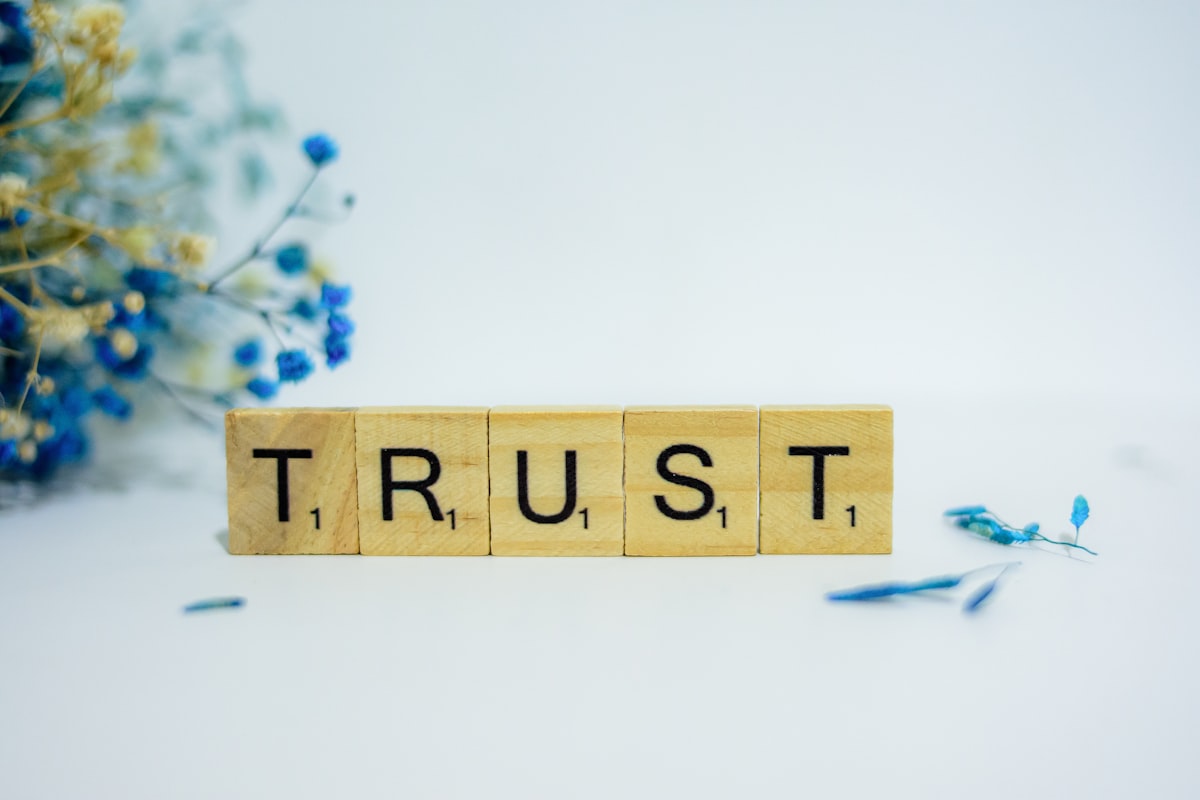
Trust in capitalism is faltering across America. Gallup tracking data shows that positive views of capitalism have slipped to 54%, marking a 15-year low since they began tracking the metric, and that's a striking drop. It reflects a growing, zero-sum view of the modern corporation. Many citizens now believe that companies prosper primarily by extracting value from society rather than creating it, so the old bargain of shared growth feels broken to them. But more than 200 CEOs reject this bleak perspective. They were interviewed over six years through Yale’s Program on Stakeholder Innovation and Management, and they don't see it that way at all. So the picture isn't simple. And that's worth remembering.
These executives do not see serving customers, employees, partners, and communities as a distraction from shareholder value. Instead, they view it as the only way to build long-term profitability. But there is a catch. Many of these leaders admitted they felt least prepared for this exact discipline before taking the helm. They understand that these diverse interests can reinforce one another, but they struggle with how to make that happen at scale. The problem is not one of ideology. It is a lack of practical know-how. Rebuilding confidence requires looking at how successful leaders design their organizations to run on mutual benefit.
Walmart links employee investment to market value
When Doug McMillon became Walmart’s CEO in 2014, the retail giant was facing a series of interconnected crises. Customer satisfaction was deteriorating, comparable-store sales in the United States were in decline, and the company was steadily losing ground to Amazon. High employee turnover plagued operations. The company’s reputation as an employer was actively turning away potential shoppers and sparking community resistance to new store locations. Meanwhile, the stock price had made little progress for years.
McMillon and his leadership team recognized that these problems could not be solved in isolation. They had to design a unified response. To build a strong omnichannel commerce network, Walmart needed physical stores that customers actually wanted to visit, which in turn required engaged and capable employees. Advanced technology was introduced to improve inventory, forecasting, and store operations. At the same time, closer coordination with suppliers helped maintain the low prices that formed the foundation of customer trust.
Billions of dollars. That's what this strategy demanded. Multi-year investments poured into employees, lower prices, e-commerce, and technology, a sweeping bet that required sacrificing short-term profits to build a stronger foundation for the future. So when Walmart finally disclosed in 2015 just how deeply these investments would depress earnings, the market didn't blink,it roared with fury. Shares plunged roughly 10% in a single session. That single day erased more than $20 billion in market value. Investors couldn't stomach the wait. But the company's calculus was clear: endure the pain now, or fall behind later.
Despite the severe backlash, leadership stayed the course. The payoff proved substantial. In February 2026, Walmart became the first traditional retailer to exceed $1 trillion in market value. Comparable-store sales recovered and compounded, and in 2024, the company appeared for the first time on Fortune’s list of the 100 Best Companies to Work For.
"Over time, designing a business that benefits all stakeholders is the best way to provide returns to shareholders."
, Doug McMillon, CEO of Walmart
Designing for mutual reinforcement
The retail giant's turnaround hinges on one thing: design, an active process rather than a passive hope. Employee, customer, and shareholder value don't automatically align just because executives deliver inspiring speeches, and the entire enterprise must be intentionally structured, layer by layer, to make those competing interests support one another. That's the real work. So design isn't a buzzword here. It's the machinery.
Starbucks reverses the trend of value extraction
Starbucks shows how easy it is to slip into value extraction. Charge 60 to 80 cents more for oat or almond milk, and the revenue lands immediately. Remove the condiment bar, and operational costs shrink. But each move, from menu bloat to mobile-order convenience, looked bulletproof on a spreadsheet, and that's the quiet danger: we defend the numbers while the customer's trust erodes, one small, logical step at a time. So the balance sheet wins. It doesn't feel like theft. It just compounds.
Together, however, these choices degraded the customer experience and made the daily work of baristas incredibly complex and burdensome. It was a mess. When Brian Niccol took over as CEO in September 2024, he recognized these decisions as symptoms of a company that had drifted from its distinctive identity, and he could see that the brand's soul had been buried under layers of operational clutter. So he immediately reversed course. He wanted to simplify operations and restore the core appeal, and that meant stripping away the noise to get back to what actually made the place special in the first place, which is a long game that demands patience and nerve. But he didn't blink.
Starbucks brought back condiment bars, ceramic mugs, and comfortable seating. Niccol also eliminated the non-dairy surcharge, even though customization had grown into a business generating more than $1 billion annually. Removing the surcharge cut the North American operating margin by around 60 basis points in the first quarter, a hefty near-term expense. But the changes did not stop there.
To support the workforce and improve service, Starbucks executed several key changes:
- Cut roughly 30% of the menu to reduce operational complexity.
- Simplified daily store operations for baristas.
- Invested $500 million in additional labor and staffing.
These decisions made the work simpler and more manageable for employees, making it easier for them to deliver a high-quality experience to customers. The early results indicate the strategy is working. Starbucks has reported four consecutive quarters of comparable-sales growth, with global comparable sales rising 7.9% in its latest quarter. Since Niccol took charge, the company's shares have risen more than 22%.
Rio Tinto treats trust as a capability
Mining companies are masters of the physical world. They manage ore bodies, railways, heavy machinery, and ports with remarkable skill. But their ability to turn those tangible assets into real value hinges on something that never appears on a balance sheet, something far more fragile and far harder to control: their social license to operate. It's the quiet trust of local communities that keeps the gears turning. Without it, operations can grind to a halt. So that invisible asset, the goodwill of people who live near the mine, isn't just a nice-to-have; it's the very foundation upon which every other investment depends, and losing it can shut down a project faster than any equipment failure ever could.

In 2020, Rio Tinto blasted the 46,000-year-old Juukan Gorge rock shelters in Australia. Legal, yes. But the backlash was brutal. That single act, though entirely lawful, revealed just how much the company had put at risk, stripping away any pretense of social license in a matter of days. Traditional Owners lost trust in Rio Tinto, governments initiated inquiries and reconsidered heritage protections, and institutional investors challenged the company’s management and governance. So the scrutiny didn't stop there. It quickly extended to the very agreements governing Rio Tinto's access to Indigenous lands, and those contracts, once seen as routine, now faced a level of examination they'd never known before.
The reputational fallout was severe. It eventually forced the exit of three senior executives, including the chief executive officer, and the damage to the company's standing proved too deep for a simple apology or a fresh mission statement to fix. So when Jakob Stausholm took over as the new CEO, he approached the crisis of lost trust not as a public relations issue, but as a core capability problem. That's a fundamental shift. He didn't treat the anger as a surface stain; instead, he saw it as evidence that the organization itself couldn't deliver on its promises, which meant rebuilding trust required rebuilding how the business actually worked from the inside out.
His leadership brought heavy investment into community engagement, cultural-heritage expertise, and the governance structures needed to support both. It wasn't easy. But over the five years through 2025, the company generated a 66% total shareholder return, and sustaining that level of performance meant managing intangible capabilities with the same operational rigor typically reserved for physical assets. So they did.
Intangibles affect corporate growth
The lessons from the mining sector apply directly to modern technology and service industries. Look at the rapid expansion of AI data centers, for instance, and you'll see how community concerns, once raised, can quickly slam the brakes on a company's ability to grow, turning a planned boom into a costly standstill. But that's not all. Customer trust and workplace culture are intangibles, and they're the real deal makers or breakers here. So think about it: these soft factors directly dictate whether a business can succeed over the long term, and they can't be bought off the shelf or fixed with a quick PR stunt. It's that simple.
Management capability is the path forward
Walmart, Starbucks, and Rio Tinto still must manage costs, grow profits, and deliver returns to their shareholders, but that obligation alone doesn't define their long-term success. What sets them apart is not how they distribute their earnings, but how they design their operations to create value in the first place, which demands discipline and foresight. So they focus on mutual benefit. That's how they rebuild trust in capitalism through practical execution.
Whether the public views corporate activity as wealth creation or wealth extraction depends entirely on how businesses are run. That's the whole game. The current decline in public confidence is a direct challenge to the practice of corporate management, and it's a challenge that managers can't simply shrug off with better PR or quarterly cheerleading.
Frequently Asked Questions
What does the Gallup tracking data say about positive views of capitalism?
Positive views of capitalism have slipped to 54%, marking a 15-year low since they began tracking the metric. This reflects a growing zero-sum view of the modern corporation, with many citizens believing companies prosper by extracting value from society rather than creating it.
Why did Walmart's stock plunge in 2015 according to the article?
Walmart's stock plunged roughly 10% in a single session, erasing more than $20 billion in market value, because investors couldn't stomach the wait for the company's multi-year investments in employees, lower prices, e-commerce, and technology. The market reacted with fury when Walmart disclosed how deeply these investments would depress earnings.
How did Starbucks reverse the trend of value extraction under Brian Niccol?
Starbucks reversed the trend by eliminating the non-dairy surcharge, bringing back condiment bars, ceramic mugs, and comfortable seating, and cutting roughly 30% of the menu. They also invested $500 million in additional labor and staffing to simplify operations and support baristas.
Who is Jakob Stausholm and how did he approach the crisis of lost trust at Rio Tinto?
Jakob Stausholm took over as Rio Tinto's new CEO after the Juukan Gorge incident. He approached the crisis as a core capability problem, not a public relations issue, and invested heavily in community engagement, cultural-heritage expertise, and governance structures to rebuild trust from the inside out.
When did Walmart become the first traditional retailer to exceed $1 trillion in market value?
In February 2026, Walmart became the first traditional retailer to exceed $1 trillion in market value. This followed sustained comparable-store sales growth and the company's appearance on Fortune's list of the 100 Best Companies to Work For in 2024.
Beatrice Novak covers the business of technology, from enterprise software and cloud platforms to the strategy behind the biggest deals. She follows how companies adopt new tools and what it means for the wider economy.
💬 Comments (0)
No comments yet. Be the first!