Anak Krakatau Eruption Forces 1,558 Flight Cancellations
Indonesia's Anak Krakatau volcano erupted, canceling 1,558 flights and affecting 170,000 passengers across eight airports.
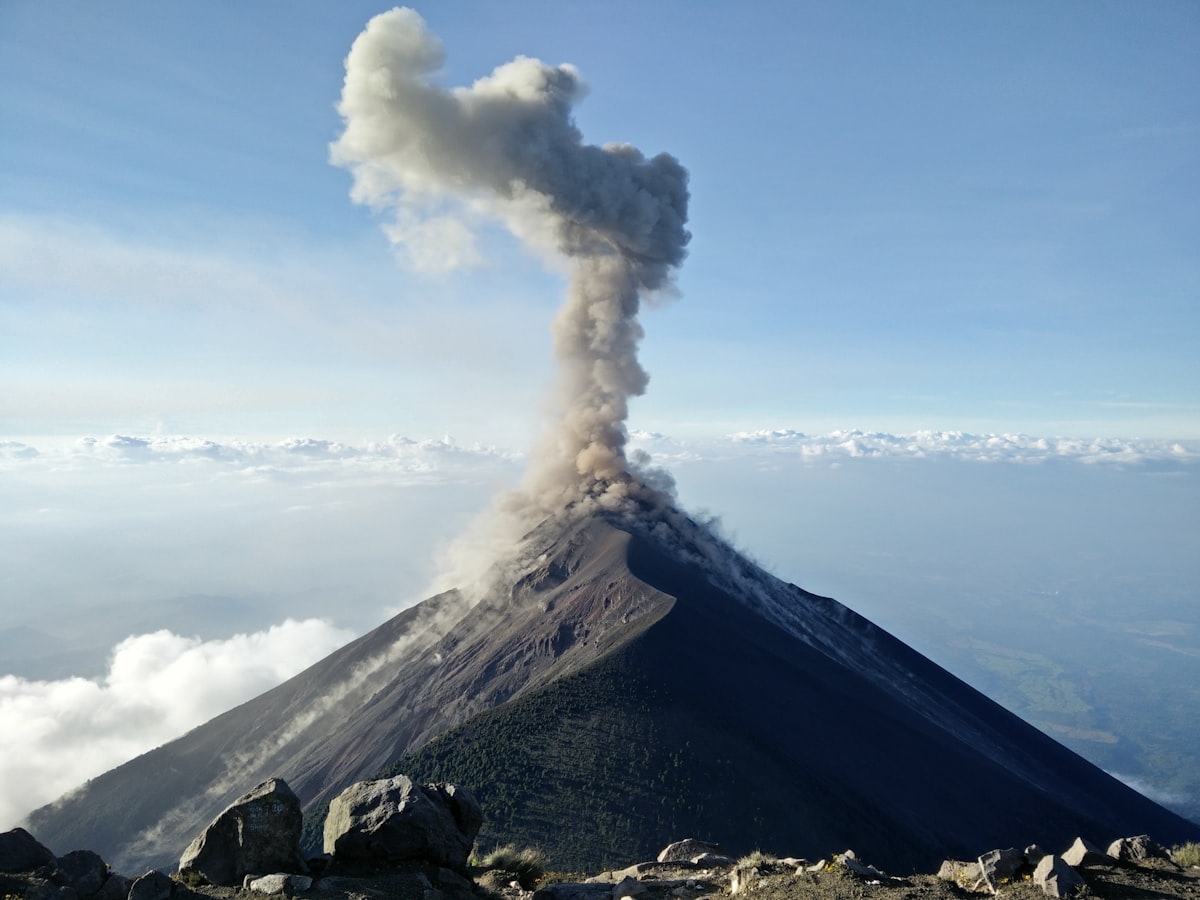
Anak Krakatau Eruption Grounds 1,558 Flights
Eight Indonesian airports shut down on Sunday. Anak Krakatau's eruption canceled 1,558 flights and stranded 170,000 passengers as volcanic ash drifted across the western part of the country, but the real story lies in the raw power of that moment. The volcano sits in the Sunda Strait between Java and Sumatra, and it erupted twice in the early morning hours, sending ash plumes as high as 50,000 feet. That's a staggering height. So chaos rippled outward from a single, fiery breath.
The first eruption lasted 30 seconds at 3:53 a.m., followed by a second 16-second burst roughly three hours later. Indonesia’s Geological Agency had flagged increased activity at the volcanic island since Friday, but Sunday’s outburst marked the strongest in a period of intensifying unrest that began in July.
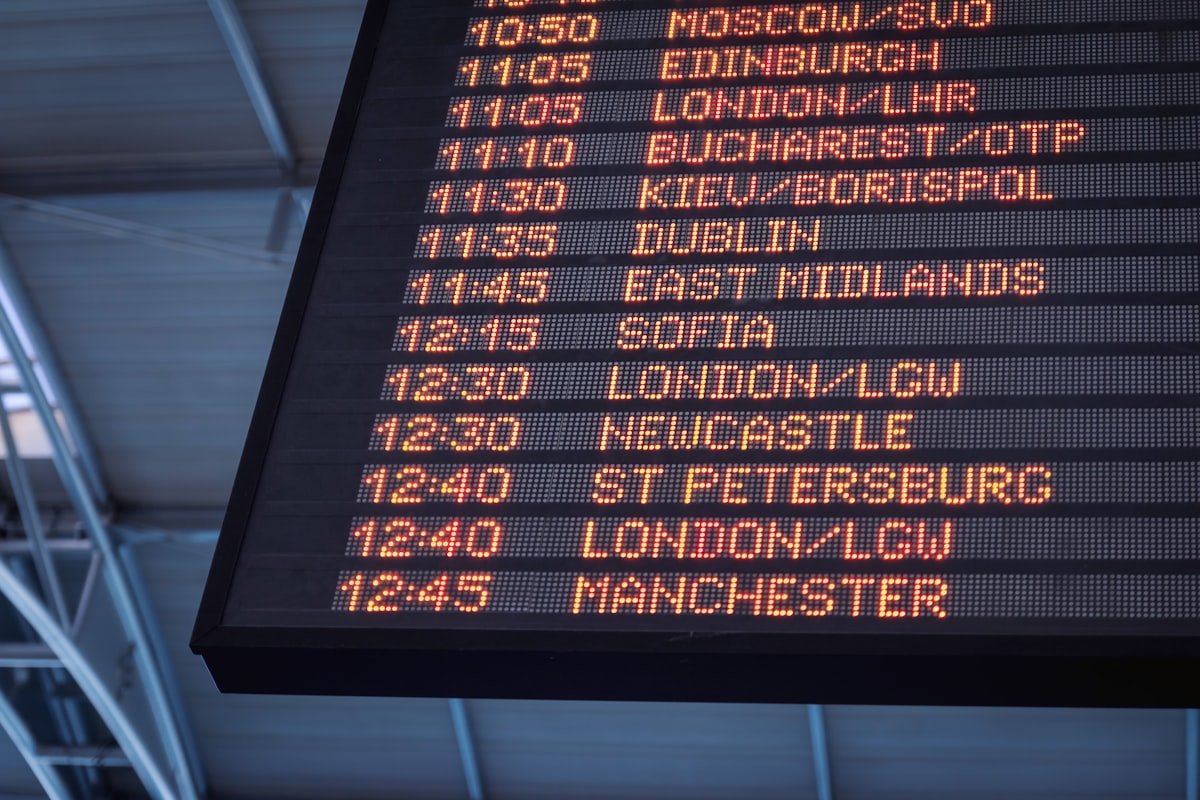
Jakarta’s Soekarno-Hatta International Airport bore the brunt of the disruption. AirNav Indonesia shuttered airspace around Soekarno-Hatta and Halim Perdanakusuma airports in the capital, plus six others including Radin Inten II Airport in Lampung. Of the total cancellations, 963 flights were scrubbed at Soekarno-Hatta alone. All eight airports remained closed until 8:59 a.m. Monday.
Passengers Left Waiting for Answers
Travelers at the affected airports described a scene of uncertainty and resignation. Diego Urdiales, a Spanish tourist hoping to fly home to Madrid, said he was still waiting for direction from his airline, and so far the silence from their end has left him with nothing but time and questions about when he might actually get a seat on a plane. It's an inconvenience, sure. But he can't get answers. “I was supposed to get input from the airline,” he said, “but so far no news.”
Michele Gouw, an Indonesian passenger, took a more philosophical view. It's a natural disaster. It's force majeure, so what can we do? We just have to accept it and wait for the airline and airport directions, because there's no point in fighting something that big and beyond our control. But she doesn't seem angry. She's just waiting.
No casualties were reported, and authorities issued no evacuation order. The nearest settlement sits more than 16 kilometers from the crater, though officials warned residents and visitors to stay at least 3 kilometers away from the active vent.
Ash Clouds Spread Across Three Provinces
Satellite imagery from Indonesia’s volcanology agency and the Darwin Volcanic Ash Advisory Centre identified two distinct ash clouds. One plume climbed to 20,000 feet and drifted northeast over Jakarta, Banten, West Java and nearby waters. It's the second one that's the real monster. That far more powerful cloud reached 50,000 feet, and it spread over parts of Banten, Lampung and Bengkulu provinces, the southern Sunda Strait and sections of the Indian Ocean west of Sumatra. So there's no escaping it.
That high-altitude ash posed the gravest risk to aircraft. Jet engines can ingest fine volcanic particles, causing them to overheat or fail mid-flight. The decision to close airspace, rather than reroute individual planes, reflects the unpredictable movement of ash clouds and the difficulty of tracking them in real time.
Government Moves Schools Online
The disruption extended well beyond aviation. On Sunday, the government authorized schools in ash-affected areas to shift temporarily to online learning at home. The measure aims to reduce students’ exposure to ashfall and gives local authorities flexibility to adjust classroom activities based on ground conditions.
Indonesia’s Directorate General of Civil Aviation said it was closely monitoring the eruption’s impact and coordinating with airlines, airport operators, air navigation services and the meteorology agency. Lukman F. Laisa, the ministry’s director general of civil aviation, stressed that safety would guide every operational decision. He also warned that flight schedules could face cascading disruptions affecting aircraft rotations, fleet availability and terminal capacity as airlines work to restore normal operations.
Volcano’s History Looms Large
Anak Krakatau, which translates to “child of Krakatau,” is the offspring of the infamous volcano whose 1883 eruption triggered global cooling, and that historical weight adds gravity to current events. It’s a heavy shadow. The volcano’s last major eruption, in 2018, triggered a tsunami that killed at least 430 people in Sumatra and Java, but researchers believe volcanic activity caused an underwater landslide, collapsing a large chunk of the island’s southwest slope and displacing a massive volume of water. So the ground itself gave way. That’s the danger we can’t ignore.
After that event, scientists estimated Anak Krakatau’s island had shrunk to roughly a quarter of its original size.
Lana Saria, head of Indonesia’s Geological Agency, said the repeated eruptions point to a continued supply of magma and volcanic gases beneath the volcano. But she stopped short of predicting what comes next.
“We continue to evaluate the volcano’s development based on all monitoring data, not solely on the number of eruptions or the height of the ash column,” Saria said in a video briefing.
She listed the main hazards as volcanic ash, high concentrations of gas, and the ejection of hot rocks and other material around the crater area.
What Happens Now
Officials cannot say whether a larger eruption will follow. The Geological Agency remains in monitoring mode, evaluating the volcano's development based on all monitoring data for signs of change. For the 170,000 passengers whose travel plans evaporated with the ash clouds, the immediate path forward depends on airlines reorganizing fleets and schedules once airspace reopens Monday morning.
The closure order runs until 8:59 a.m. Monday, but Laisa’s warning about cascading disruptions suggests the ripple effects could last far longer. Disruptions affecting aircraft rotations, fleet availability, and terminal capacity all point to a slow recovery.
For residents of Jakarta and Lampung, the ashfall itself presents a more immediate concern, and it's a worry that doesn't discriminate between those who can stay home and those who must venture out into the gray, gritty air. Schools moving online keeps children indoors and away from respiratory irritants. But that's a small comfort. The broader population must contend with ash coating streets, vehicles and buildings, a constant reminder that this isn't just a distant event but something they're living with every single day. So the masks go back on.
Anak Krakatau has now demonstrated twice in under a decade that it can upend daily life across a vast region. The 2018 tsunami showed the volcano’s capacity for catastrophic destruction. Sunday’s eruption, while less deadly, revealed a different kind of vulnerability: the fragility of modern air travel in the face of natural forces that refuse to follow schedules.
The airport closures were thorough and swift. But the broader question, whether the volcano’s intensified activity since July signals something larger building underground, remains unanswered. Scientists can measure magma supply and gas emissions, but they cannot yet predict the moment when Anak Krakatau decides to remind the world exactly what its parent did in 1883.
Frequently Asked Questions
What was the total number of flight cancellations caused by the Anak Krakatau eruption?
The Anak Krakatau eruption canceled 1,558 flights in total. Of these, 963 flights were scrubbed at Soekarno-Hatta International Airport alone.
Why did the authorities decide to close airspace around the affected airports?
The authorities closed airspace because the high-altitude ash posed the gravest risk to aircraft, as jet engines can ingest fine volcanic particles, causing them to overheat or fail mid-flight. The decision to close airspace, rather than reroute individual planes, reflects the unpredictable movement of ash clouds and the difficulty of tracking them in real time.
When were all eight affected airports expected to reopen?
All eight affected airports were expected to reopen at 8:59 a.m. Monday. The closure order ran until that time, but the director general of civil aviation warned of cascading disruptions that could extend the impact.
Who made statements about the eruption and its impact, and what did they emphasize?
Lukman F. Laisa, the ministry's director general of civil aviation, emphasized that safety would guide every operational decision and warned of cascading disruptions. Lana Saria, head of Indonesia's Geological Agency, said they continue to evaluate the volcano's development based on all monitoring data, not solely on the number of eruptions or ash column height, and listed main hazards as volcanic ash, high gas concentrations, and ejection of hot rocks.
How did the government respond to protect students from ashfall?
The government authorized schools in ash-affected areas to shift temporarily to online learning at home. This measure aims to reduce students' exposure to ashfall and gives local authorities flexibility to adjust classroom activities based on ground conditions.

Beatrice Novak covers the business of technology, from enterprise software and cloud platforms to the strategy behind the biggest deals. She follows how companies adopt new tools and what it means for the wider economy.
💬 Comments (0)
No comments yet. Be the first!