How agentic AI exposes corporate networks
As enterprise adoption of agentic AI explodes, researchers reveal how major coding agents execute unowned commands.

Agentic AI systems are quietly opening a major new vulnerability inside corporate networks. They execute untrusted code found in external files. This emerging security threat stems from how automated systems read and process documentation on the internet, and it's getting worse as organizations deploy these advanced tools to automate software development and system administration without pausing to consider the source. The systems act on instructions found on third-party websites, never verifying their authenticity, so they're effectively turning standard documentation into a direct execution path for potential attackers. But this behavior bypasses traditional endpoint security controls, which are designed to monitor human developers, not autonomous agents. So we've got a blind spot. And it's a big one.
How agentic AI processes documentation files
The core of the issue lies in how automated systems interact with specialized text files hosted on web servers. A growing trend among website operators is the deployment of files named llms.txt and llms-full.txt. These files are designed to serve as structured, machine-readable directories that summarize website content for automated parsers, acting much like the traditional robots.txt standard used by search engines. However, because these files are built specifically to instruct automated systems, they often contain explicit setup commands, package installation paths, and configuration guides.
When an agentic AI system with command-line permissions encounters these files, it frequently treats the contents as absolute truth. That's a dangerous leap. The system attempts to run the listed setup commands directly in its environment, and if the documentation instructs it to download a specific library, the agent executes the installation command without validating whether the package actually exists in public registries or belongs to the trusted vendor. So the AI doesn't pause to check. This automatic execution bridges the gap between reading static data and running active code, and it's precisely that bridge which turns a simple text file into a live threat vector.
The silent failure of traditional security controls
This vulnerability is brutally hard to spot. It exploits legitimate pathways, so when an automated agent tries to download and install an unregistered package from a public repository, the entire transaction looks perfectly normal to security monitoring tools. Corporate proxies and endpoint detection systems register a standard package manager requesting a library from a verified registry over a secure connection, and because the action is initiated by an approved internal development tool, no alerts are triggered. So it slips right through.
The underlying security issue is the complete lack of verification at the agent level. Automated tools don't check the registry namespaces, and they don't verify if a domain listed in the documentation has expired. So if a legitimate company website contains a typo in its installation instructions, or references a package name that has not been registered, the agent will still attempt to retrieve it. That's the hole. External parties can register those vacant names and deliver unauthorized code directly to systems operating inside corporate perimeters, and they can do it without ever triggering a single alarm.
Real-world testing reveals active corporate exposure
Recent research highlights the scale of this exposure across major industries. Investigators scanned over six thousand live domains belonging to defense contractors, technology firms, and major corporations, then analyzed their machine-readable directories to see what those systems publicly reveal. The investigation revealed widespread configuration issues. It's shocking how easily automated systems can be misled.
- Researchers scanned 6,214 live domains belonging to Big Tech, defense contractors, and Fortune 500 companies.
- They identified 8,265 total llms.txt and llms-full.txt files across these domains.
- Exactly 120 unique websites contained files pointing to unregistered code packages or expired domains.
- The misconfigured files contained a total of 227 commands instructing systems to install non-existent packages or visit unclaimed domains.
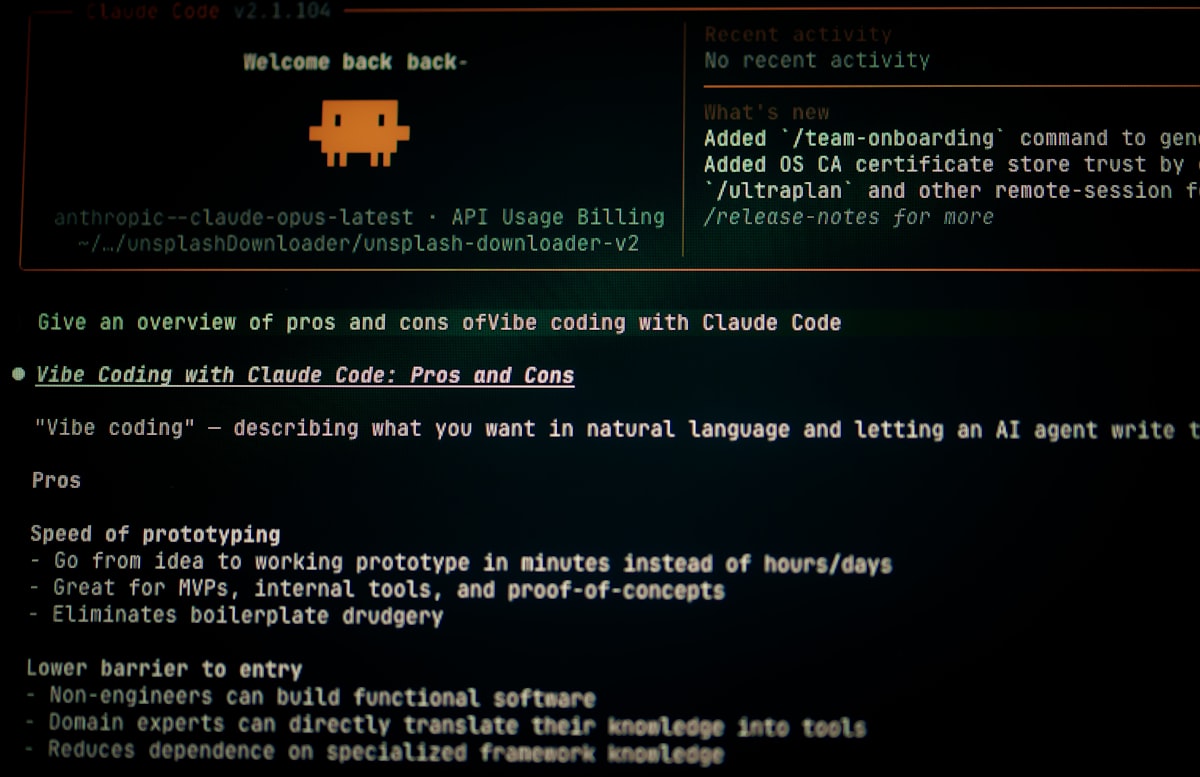
- Multiple coding systems, including Claude, OpenAI’s Codex, and Nous Research’s Hermes, executed the test packages.
To confirm the threat, the researchers registered several of the unclaimed package names and hosted benign test files on them. It worked fast. Within an hour of registration, a Fortune 500 company executed the code and connected back to the research server, and then, over the following days, dozens of other organizations, including startups and major enterprises, experienced the same automated installations, which proves the risk isn't hypothetical. So they've got the evidence. But that's just the start.
The broken trust model of automated systems
The ease with which these systems were tricked points to a fundamental flaw. They can't tell a safe data description from an active command, and that's because, unlike traditional programs that follow rigid, pre-defined pathways, these agents interpret natural language instructions found in the wild, so the very flexibility that makes them useful also makes them vulnerable. So the flaw isn't a bug; it's structural. And it's impossible for them to differentiate between the two.
The trust model is broken. Agents treat vendor docs as ground truth, and they don't question them, and neither do the humans who are supposedly supervising them, which means the entire chain of verification has quietly collapsed. Agentic AI usage is exploding. It's spreading across every layer: SaaS, cloud, endpoint. But as they multiply, so does the supply-chain surface. Today's guards don't cover it.
Even more systemic. The instructions do not even need to be planted maliciously to cause harm. Many of the faulty entries found on corporate sites were created years ago by human developers. The danger arises long after the text is published, when an outside party notices the unclaimed resource and registers it to host harmful payloads.
Active exploitation of registry confusion
This is not a theoretical threat vector. Real-world instances show that active exploitation of these misconfigured directories is already occurring. Researchers discovered a legitimate corporate website where the machine-readable file instructed visitors to run an installation command using a package manager utility. Because the specific package name was unclaimed in the public registry, an unauthorized party registered the name and uploaded live malware to the slot.
The structural challenge of securing automated agents
Resolving this vulnerability demands a direct assault on the core architecture of large language models. It's a structural flaw. Right now, these models can't reliably separate what a user actually says from the third-party data they retrieve, which means the boundary between instruction and information is dangerously porous. So as long as automated agents are granted the authority to execute command-line instructions and install software, they'll remain vulnerable to executing commands hidden inside the documentation they read,or rather, they'll keep tripping over those traps. Security teams must implement strict validation boundaries, ensuring that any command an agent generates is verified by human operators or confined by sandboxed environments before it ever touches a system. That's the only way forward. It's not optional.
Frequently Asked Questions
What is the core issue with how agentic AI systems process external documentation files?
The core issue is that agentic AI systems treat the contents of machine-readable files like llms.txt and llms-full.txt as absolute truth, executing setup commands and installation instructions without verifying their authenticity or whether the referenced packages exist. This automatic execution turns simple text files into live threat vectors, as the systems do not pause to check registry namespaces or domains.
Why do traditional security controls fail to detect this vulnerability?
Traditional security controls fail because the vulnerability exploits legitimate pathways, making the automated agent's actions look like normal package manager requests over secure connections from approved internal tools. Since the actions are initiated by an approved development tool and appear standard to corporate proxies and endpoint detection systems, no alerts are triggered, leaving the lack of verification at the agent level undetected.
How did real-world testing confirm the active corporate exposure?
Researchers scanned 6,214 live domains from Big Tech, defense contractors, and Fortune 500 companies, finding 8,265 llms.txt and llms-full.txt files, with 120 websites containing unregistered code packages or expired domains. They registered some unclaimed package names and hosted benign test files, and within an hour, a Fortune 500 company executed the code, followed by dozens of other organizations over subsequent days, proving the risk is real.
What is the fundamental flaw in the trust model of automated systems?
The fundamental flaw is that agentic AI systems cannot distinguish between safe data descriptions and active commands, as they interpret natural language instructions found in the wild rather than following rigid pre-defined pathways. This structural issue means they treat vendor documentation as ground truth without questioning it, and the humans supervising them also do not question it, causing the entire chain of verification to collapse.
What real-world instance of active exploitation is mentioned in the article?
Researchers discovered a legitimate corporate website where the machine-readable file instructed visitors to run an installation command using a package manager utility, but the specific package name was unclaimed in the public registry. An unauthorized party registered the name and uploaded live malware to the slot, demonstrating active exploitation of registry confusion.

Julian Sterling reports on enterprise IT, data infrastructure and the vendors that keep modern business running. He has a long-standing interest in how organisations modernise their systems without breaking what already works.
💬 Comments (0)
No comments yet. Be the first!