Garmin Fenix 9 Pro Doubles Brightness, Adds Titanium Case
Garmin's new Fenix 9 Pro smartwatch is twice as bright as the previous gen, with a titanium case and 64GB storage.
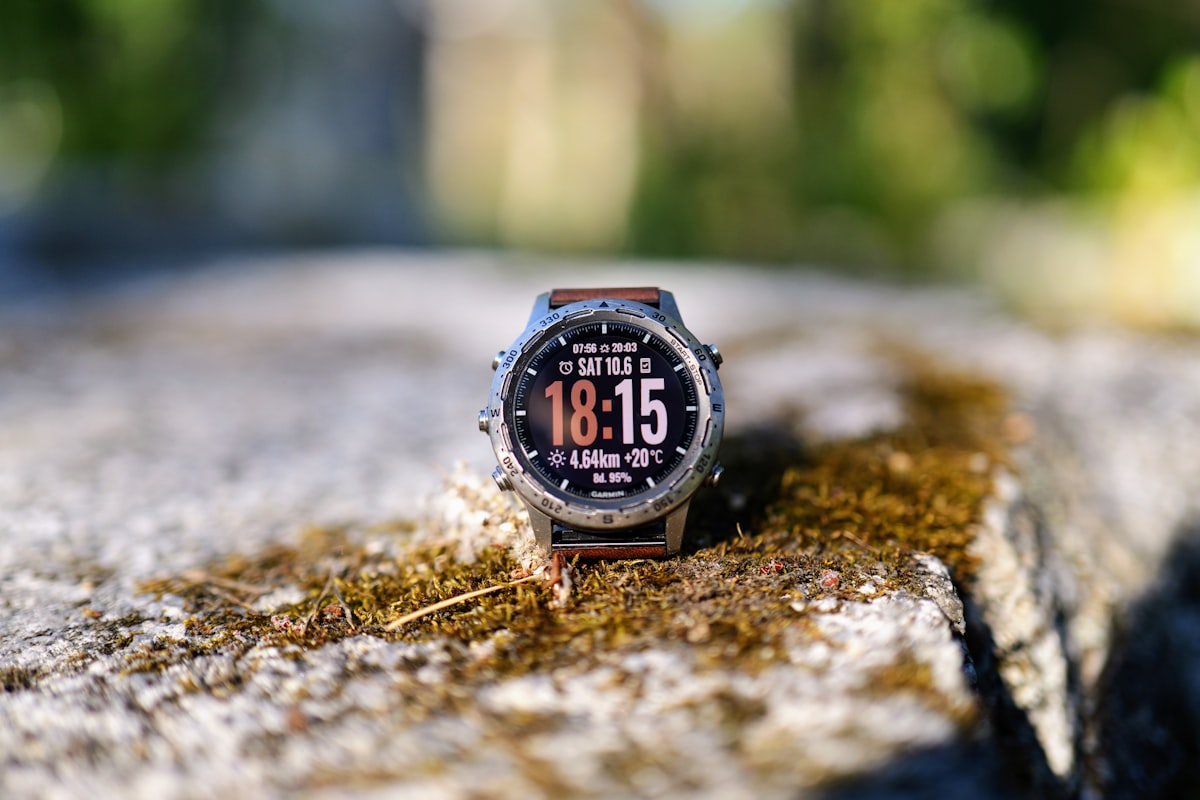
The Garmin Fenix 9 Pro doubles the display brightness of its predecessor. And it swaps the polymer case for titanium, marking the biggest design shift in the series in years. That's a big deal. The new lineup, which includes the Fenix 9, 9 Pro, and 9 Pro Solar, lands on August 28th, and it brings a few surprises that go beyond a simple spec bump, so you can't just call this an incremental update. It's a real change.
Two years with the Fenix 8 Pro. It's been my constant companion through countless workouts and adventures. So when Garmin teased the Fenix 9 series, I found myself wondering what could possibly justify an upgrade, especially since the watch on my wrist has never once let me down in the heat of a race or the chill of a mountain trail. The answer, after digging into the details, is clearer than I expected: brighter screen, better materials, and more storage. But there's also a strong case for sticking with last year's model, and I can't ignore that.
The Display Gets a Serious Boost
The headline feature is the AMOLED panel on the Fenix 9 Pro. It now hits 3,000 nits of peak brightness, which is exactly double the 1,500 nits on the Fenix 8 Pro. That is not a small jump. Outdoors, under direct sunlight, the difference is immediately noticeable. The 51mm model also gets a slightly larger 1.5-inch display, up from 1.4 inches, which is 15% more screen real estate. That extra space matters when you are glancing at maps or checking a workout metric mid-stride.
Don't hold your breath for a microLED Garmin this year. That rumored upgrade? It's not happening, so if you were hoping for it, you can set that expectation aside right now. But Garmin stuck with AMOLED for the standard and Pro models, so you get that bright, vibrant display you've come to expect from their recent releases, while the Pro Solar pivots to a MIP display with solar charging glass, and that's the key to stretching out your battery life for days on end. It's a clear split, and it works.
Titanium Case and New Bands
The biggest physical change is the case material. Previous Fenix generations used a durable polymer for the watch case, with titanium reserved for the bezel. The Fenix 9 Pro goes all-in with a full titanium case. It looks sharper and feels more premium on the wrist, and titanium is inherently more scratch-resistant than polymer. The weight does creep up slightly, from 65g on the Fenix 8 Pro to 73g on the new model, but that is a fair trade for the durability gain.
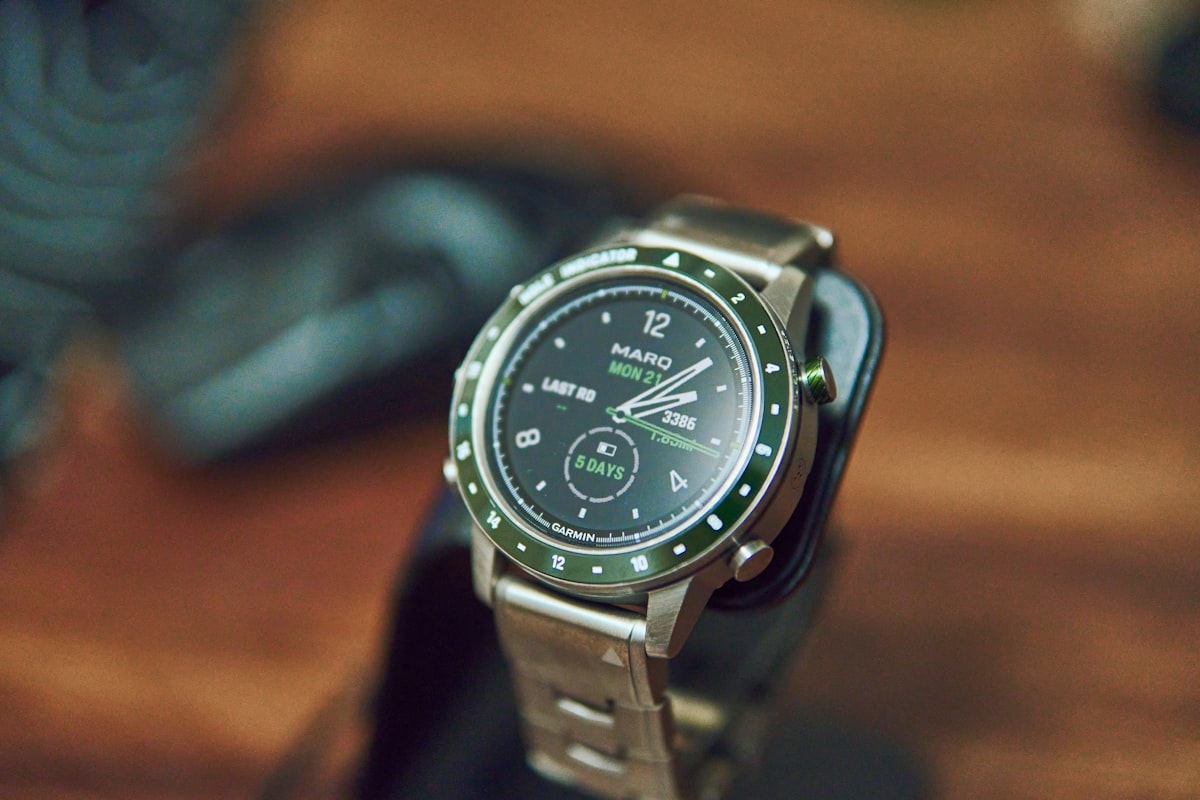
Garmin also introduced new ComfortFit fabric bands with a split-weave design. They're flexible, moisture-resistant, and use the QuickFit system, so you can swap them out in seconds when moving from a workout to the office. That's a real advantage. But for anyone who lives in their watch, that kind of versatility is a welcome addition, and it makes the transition from gym to desk feel effortless without ever having to adjust a buckle or fiddle with a clasp.
InReach on Every Size
The Fenix 9 Pro brings InReach satellite and LTE support to all three case sizes: 43mm, 47mm, and 51mm. That is a first for the smaller models. A new live tracking feature works through the InReach service, letting family and friends follow your adventures in real time, even if you do not manually start a tracking event. For hikers, climbers, or anyone who ventures off the grid, this is a meaningful safety upgrade.
Storage Doubles for Maps and Music
64GB of onboard storage on the Fenix 9 Pro. That's double what the Fenix 8 Pro gave you. So if you're treating your watch as a fully standalone device, this is the model to grab, because there's plenty of room for offline maps, ski resort data, golf course layouts, and music playlists, all without needing your phone nearby. It's a lot of space. But it's the practical freedom that matters most here.
The Case for Saving $250
Here is where the decision gets tricky. The Fenix 8 Pro is still a fantastic watch, and it costs $250 less than the new model. If you already own one, the upgrade path is not obvious. Some software features, like the Garmin Epic functionality, may eventually roll out to the Fenix 8 Pro, which further weakens the argument to switch.
That said, the price gap is the only real reason to stick with the Fenix 8 Pro. But it's not enough. The titanium case, brighter display, and doubled storage are tangible improvements that you can actually feel every single day, and they're not minor tweaks,wait, no, scratch that, they're real upgrades, but the savings still matter to most buyers. So if you're buying your first Fenix or coming from an older model, the Fenix 9 Pro is the better investment, plain and simple.
Some of the software improvements, like the Garmin Epic feature, may come to the Fenix 8 Pro in the future, so if you already own a Fenix 8 Pro then you likely won't consider an upgrade at the premium price point.
Pricing and Availability
The Fenix 9 starts at $999 for the 43mm size, with 47mm and 51mm options available, so you've got plenty of choices if you're stepping up from a smaller wrist. It's a steep entry point, honestly. The Fenix 9 Pro starts at $1,099 across the same three sizes, which nudges you toward better specs without breaking the bank too hard, though you'll still feel it. But the Pro Solar? That one's limited to 47mm and 51mm, also starting at $1,099, and it's the only model that skips the 43mm entirely, so bigger wrists get the sun-charging perk. All three models are available to order starting August 28th, 2026. Mark your calendar.
The Fenix 9 Pro is clearly the flagship of this generation. It takes everything the Fenix 8 Pro did well and refines it with better materials and a brighter screen, so the upgrades feel meaningful rather than marginal for anyone who's been waiting to jump in. For those who want the best, it's the obvious choice. But here's the twist. For those who already own a Fenix 8 Pro, the $250 savings might be the smarter play, and that's a hard truth to ignore when the core experience hasn't changed that dramatically.
Either way, Garmin has delivered a compelling update that keeps the Fenix line at the top of the sports watch market, and it's clear they're not just polishing last year's model with a brighter screen or a slightly tweaked bezel. So this isn't an incremental refresh. The Garmin Fenix 9 Pro is a statement that Garmin isn't resting on its laurels, and that's a bold position to take in a category where competitors are nipping at their heels every single quarter. It's a warning shot.
Frequently Asked Questions
What is the most significant physical change in the Garmin Fenix 9 Pro compared to its predecessor?
The biggest physical change is the case material, as the Fenix 9 Pro now features a full titanium case instead of the polymer case used in previous generations. This makes it look sharper, feel more premium, and be more scratch-resistant than polymer.
How much brighter is the display on the Fenix 9 Pro compared to the Fenix 8 Pro?
The Fenix 9 Pro's AMOLED display reaches 3,000 nits of peak brightness, which is exactly double the 1,500 nits on the Fenix 8 Pro. This jump is immediately noticeable outdoors under direct sunlight.
Why might someone who already owns a Fenix 8 Pro not upgrade to the Fenix 9 Pro?
The Fenix 8 Pro is still a fantastic watch and costs $250 less than the Fenix 9 Pro. Additionally, some software features like the Garmin Epic functionality may eventually roll out to the Fenix 8 Pro, weakening the argument to switch.
When will the Fenix 9 series be available to order?
All three models—the Fenix 9, 9 Pro, and 9 Pro Solar—will be available to order starting August 28th, 2026. This date is mentioned in the article as the official launch date.
What are the key differences between the Fenix 9 Pro and the Fenix 9 Pro Solar?
The Fenix 9 Pro uses an AMOLED display, while the Pro Solar uses a MIP display with solar charging glass to extend battery life. The Pro Solar is limited to 47mm and 51mm sizes, whereas the Pro comes in 43mm, 47mm, and 51mm; both start at $1,099.

Julian Sterling reports on enterprise IT, data infrastructure and the vendors that keep modern business running. He has a long-standing interest in how organisations modernise their systems without breaking what already works.
💬 Comments (0)
No comments yet. Be the first!