Bezos Earth Fund Joins New Species Recovery Alliance
The new Species Recovery Alliance, with the Bezos Earth Fund committing $100 million, targets 31,000+ threatened species globally. It builds on the Phoenix Species Project.
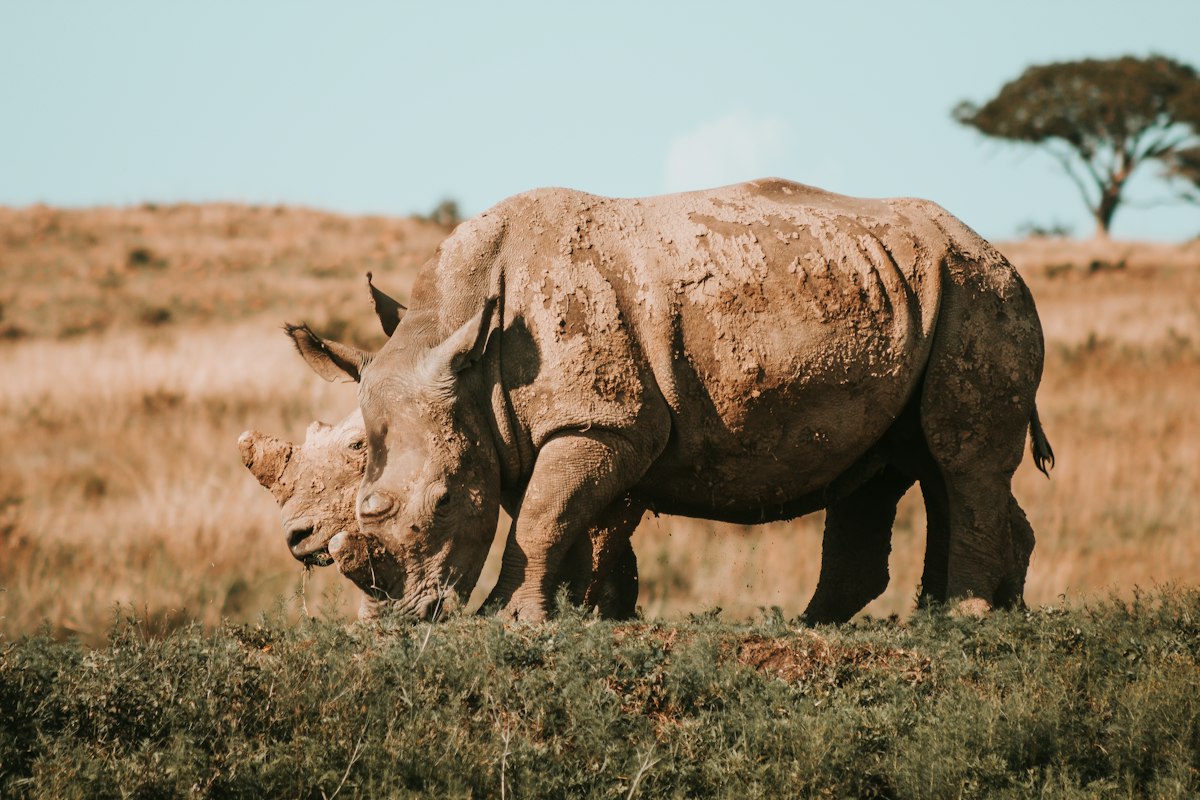
Alliance launched October 16. It's a major new global initiative. Its mission: reversing the decline of the world's most vulnerable plants and animals. This ambitious effort, announced at the Leaders’ Summit of COP17 in Yerevan, Armenia, is backed by a $500 million commitment from nine founding members. And the Bezos Earth Fund features prominently.
New Alliance Targets Endangered Species
Bezos Earth Fund invests $100 million. Cristián Samper, the fund's managing director and head of nature solutions, expressed the central idea that even the most imperiled species can be rescued, showing their steadfast dedication to conservation work. This important contribution from the Bezos Earth Fund accounts for a large part of the half-billion-dollar commitment recently made by the newly formed alliance. It's a powerful demonstration of private philanthropy meeting collective action.
Joining the Bezos Earth Fund in this pioneering coalition are several other notable organizations: Leonardo DiCaprio’s Re:wild, Rainforest Trust, the Colossal Foundation, the Critical Ecosystem Partnership Fund, Fondation Segré, the Franklinia Foundation, the Ayers Wild Cat Conservation Trust, and WildLives Earth.
Rather than pooling resources into a single large fund, these members will each direct their own grants. This coordinated approach allows each organization to channel support to conservation groups and local partners. The focus will be on species classified by the International Union for Conservation of Nature (IUCN) as endangered, critically endangered, or extinct in the wild.
Samper highlighted the critical need for sustained financial backing. “We know how to bring species back from the brink,” he observed. “What too many conservation teams lack is reliable funding to keep that work going. Rebuilding a population can take years, and a break in support can put hard-won progress at risk.”
Strategies for Recovery
The alliance's work encompasses a range of crucial activities designed to bring species back from the precipice. Depending on the unique needs of each creature or plant, efforts could include:
- Breeding animals in controlled environments before releasing them into natural habitats.
- Restoring degraded habitats to create environments where species can thrive.
- Implementing effective disease management programs to protect vulnerable populations.
- Controlling invasive species that threaten native flora and fauna.
Progress will be meticulously tracked, using the IUCN’s Red List and its Green Status of Species. The challenge is immense. More than 49,500 species are at risk of extinction, a shocking number highlighting the pressing need for conservation, and the alliance is focusing on over 31,000 species in the most dangerous categories, concentrating its efforts against the most immediate dangers. It's a monumental task.
Building on Past Success
This newly formed alliance draws inspiration and builds upon previous conservation efforts. The initiative expands on the Phoenix Species Project, which launched in August with support from the Bezos Earth Fund and in collaboration with Re:wild, the conservation group co-founded by DiCaprio. That project saw each organization commit $100 million, totaling $200 million, to recover 100 critically endangered and extinct-in-the-wild species across 30 countries.

Among the specific species targeted are Madagascar’s golden-crowned sifaka and Australia’s elusive night parrot. Lauren Sánchez Bezos, vice chair of the Earth Fund, once eloquently framed the urgency of such efforts. "Kids fall in love with animals before anyone tells them those animals are disappearing. Ask any seven-year-old about their favorite creature. It’s something wild. Something most adults have never heard of. What do we tell them when the night parrot or the golden-crowned sifaka isn’t there anymore to fall in love with? This project is our answer."
Addressing a Funding Deficit
The creation of the **Species Recovery Alliance** comes at a time when governmental bodies are significantly lagging in their own nature-funding commitments. At the 2022 biodiversity summit in Montreal, nations pledged to raise $200 billion annually for biodiversity by 2030. However, data from the Organisation for Economic Co-operation and Development, cited by the Associated Press, indicates that countries raised between $75 billion and $92 billion a year from 2023 through 2025, less than half the stated goal.
A UN progress report, released prior to the recent summit, further underscored the shortfall, revealing that fewer than half of countries' biodiversity targets were on track. This is insufficient. And Astrid Schomaker, executive secretary of the UN Convention on Biological Diversity, articulated the broader concern: "We're not moving fast enough.
Seventeen governments, spearheaded by Colombia and Armenia, launched the Coalition of Action to Recover Endangered Species (CARES), a separate initiative that aligns with the private Species Recovery Alliance. Samper recognized it's "an encouraging expression of ambition." But ambition isn't enough. He stressed the next step is to ensure that ambition is backed by the resources needed to deliver. He affirmed that while philanthropy can help accelerate recovery efforts, sustained public funding remains vital to achieving that recovery at the necessary scale.
The Bezos Earth Fund's Ongoing Commitment
Bezos. Earth Fund began. In 2020, Amazon founder Jeff Bezos, his net worth a staggering $372 billion, established the Earth Fund with an ambitious $10 billion pledge, a commitment designed to fight climate change and protect nature by the year 2030, representing the largest individual philanthropic contribution ever recorded for these vital environmental causes. Sánchez Bezos is now more visible. They're shaping their charitable work.
To date, the fund has distributed $2.4 billion, leaving more than $7 billion still to be allocated over the next four years. Fund officials have reiterated their dedication to meeting this target. The pace of giving has been consistent in recent months, with major announcements in September alone, including $34 million for sustainable fabrics, $26 million for wildfire detection, and $100 million to transform vacant urban land into parks across eight U.S. cities.S. cities, and over $25 million in grants for Pacific Ocean initiatives. This latest involvement with the Species Recovery Alliance marks another substantial step in their overarching mission.
Frequently Asked Questions
What is the primary mission of the Species Recovery Alliance?
The mission of the Species Recovery Alliance is to reverse the decline of the world's most vulnerable plants and animals. This global initiative aims to rescue even the most imperiled species through dedicated conservation work.
When was the Species Recovery Alliance launched and where was it announced?
The Species Recovery Alliance was launched on October 16 and announced at the Leaders' Summit of COP17 in Yerevan, Armenia. This marks its official start as a major new global initiative.
How does the Species Recovery Alliance plan to direct its grants and support?
The members of the alliance will each direct their own grants rather than pooling resources into a single fund. This coordinated approach allows each organization to channel support directly to conservation groups and local partners.
What types of species will the alliance focus on recovering?
The alliance will focus on species classified by the International Union for Conservation of Nature (IUCN) as endangered, critically endangered, or extinct in the wild. This concentration aims to address the most immediate dangers faced by these vulnerable populations.
What are some of the strategies the alliance will employ for species recovery?
Strategies include breeding animals in controlled environments before release, restoring degraded habitats, implementing disease management programs, and controlling invasive species. These crucial activities are designed to bring species back from the precipice.

Julian Sterling reports on enterprise IT, data infrastructure and the vendors that keep modern business running. He has a long-standing interest in how organisations modernise their systems without breaking what already works.
💬 Comments (0)
No comments yet. Be the first!