Apple HomePod Mini 2 Signals Shift in Home Audio Strategy
Apple's new HomePod Mini 2 and software updates for older models reveal a strategic pivot towards enhancing home audio experiences, potentially reducing reliance on voice AI.

Apple HomePod Mini 2 signals a significant recalibration of Apple's strategy within the competitive home audio and smart home ecosystem. The recent unveiling of the Apple HomePod Mini 2, alongside software updates extending capabilities to older models, suggests a deliberate move to deepen customer loyalty and broaden the appeal of its smart speaker lineup, moving beyond pure voice assistance to enhance the overall home entertainment and computing experience.
Apple HomePod Mini 2 Leads Strategic Pivot
It's an evolution. The Apple HomePod Mini 2 launch isn't just hardware. It's a smart move. This latest version, unlike its predecessors that primarily offered Siri and audio, now prioritizes deeper connections with other Apple gear and richer soundscapes for a truly enveloping experience, clearly signaling Apple's intent to make it indispensable. The Apple HomePod Mini 2 truly elevates the listening experience. You can create a four-speaker home theater setup with the fourth-generation Apple TV 4K. It also acts as the default audio source for compatible Macs. This clearly shows Apple's aim. They want the HomePod Mini 2 to be a core piece of your Apple home. Customers demand integration. They care how things work together. Unique features aren't enough anymore.
Deepening the Ecosystem Advantage
Apple's ecosystem focus isn't new. But the HomePod Mini 2, applying it to its smart speaker line, marks a product category maturation. This allows Macs enhanced audio output, directly answering users wanting better, more integrated sound for their computing, moving the HomePod Mini 2 beyond a mere AirPlay receiver that could cause latency with third-party apps, into a more default, always-on audio channel. The Apple HomePod Mini 2 is designed for strong integration. It's a significant shift. Features like a dynamic RGB light display and lockable touch controls, though seemingly small, add polish and user control, fitting Apple's design ethos of intuitive, attractive tech.
Industry Shifts Drive HomePod Mini 2 Strategy
Apple's HomePod Mini 2 move fits a pattern. Companies now build connected experiences, not just single products. The appeal of a unified operating system, especially with smart speakers, significantly drives consumer loyalty and keeps people invested in the ecosystem. This integrated design, coupled with potent processors and sturdy components, extends the device's lifespan and diminishes electronic waste, a growing concern for both consumers and the industry. It's a smart move. By providing advanced capabilities to older models through software updates, Apple clearly demonstrates it values its existing customer base, potentially cultivating greater goodwill and easing the immediate pressure to purchase new hardware, thereby fostering a more sustainable technology cycle and reinforcing customer dedication.
HomePod Mini 2 Elevates Apple's Competition
Apple's strategy changes everything. It lets them compete with smart speaker makers, home theater systems, and even dedicated computer audio solutions. Integrating Macs as default audio with the Apple TV 4K, allowing for multi-speaker arrays, presents a tempting alternative to more expensive, specialized hardware. For those already in the Apple ecosystem, the HomePod Mini 2 offers a budget-friendly, integrated way to upgrade their home audio. The Apple HomePod Mini 2 provides superior sound at an accessible price point. The focus is now on a superior, cohesive user experience, rather than just individual features. It's a smart move.
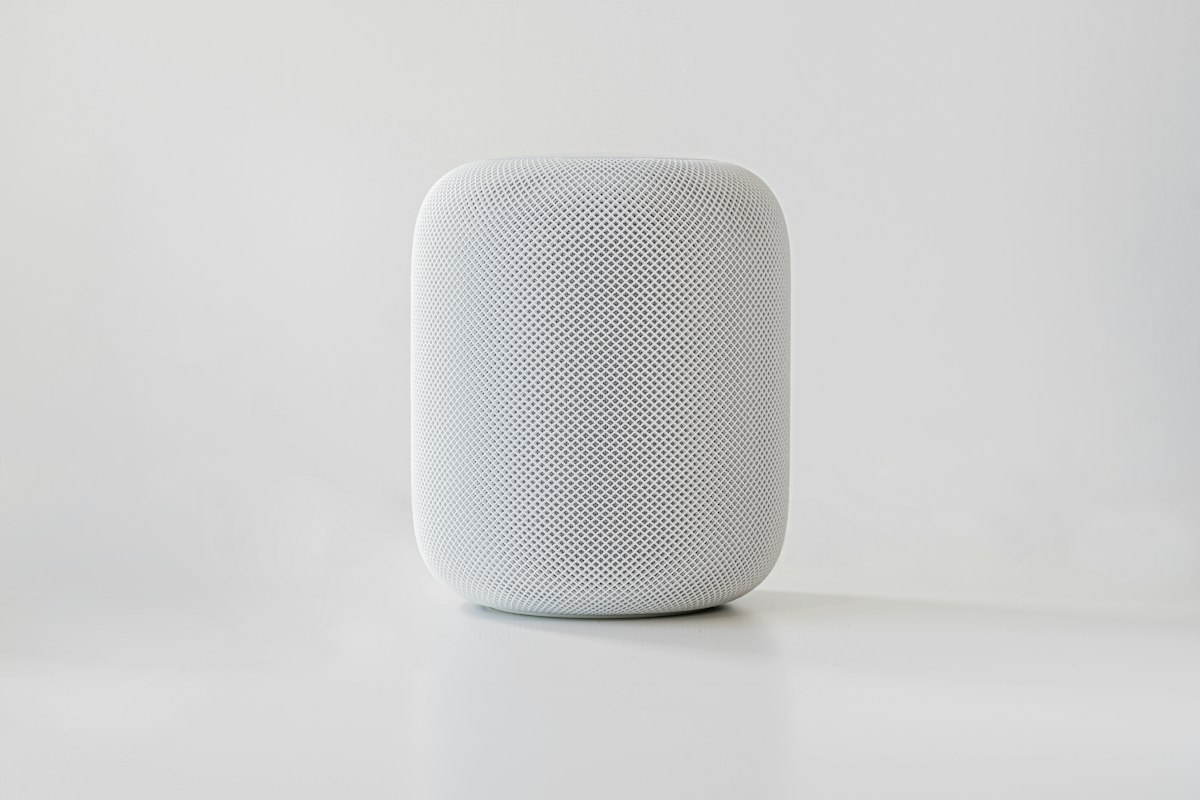
"Apple realized it’s just as valuable, if not more so, to compete for its consumers’ loyalty in the home audio space.. So it's letting you arrange existing HomePods in a four-speaker configuration with Apple TV 4K, or in a single or dual configuration when paired with a Mac."
Value isn't just AI. This perspective, born from whispers about the product's strategy, points to a strategic pivot where the perceived worth stems from improved interoperability and overarching system advantages, rather than a singular focus on proprietary AI advancements built directly into the speaker itself. They're moving beyond internal tech. The statement suggests that the genuine distinction lies in how the HomePod Mini 2 and its companions enhance a wider, more capable Apple ecosystem, recognizing that voice assistant functions are already accessible through numerous other Apple devices.
Market Implications and Longevity
The implications for the wider market are significant. Companies that can effectively integrate their hardware into a compelling ecosystem, offering extended software support and promoting product longevity, are likely to capture and retain customer loyalty more effectively. Apple's approach with the Apple HomePod Mini 2, which balances new hardware capabilities with software-driven feature expansion for older devices, illustrates a model that values the entire user lifecycle. This focus on durability and ongoing support, facilitated by a unified operating system and capable processors, presents a strong counterpoint to product strategies that rely on rapid obsolescence. Industry watchers will recognize this as a play for sustained customer engagement, where the long-term value of an integrated system outweighs the immediate appeal of isolated innovations.
Frequently Asked Questions about the Apple HomePod Mini 2
Q: What new features does the Apple HomePod Mini 2 offer?
A: The Apple HomePod Mini 2 prioritizes deeper integration with the Apple ecosystem, allowing for multi-speaker home theater setups with Apple TV 4K and serving as a default audio source for Macs. It also includes features like a dynamic RGB light display and lockable touch controls.
Q: How does the Apple HomePod Mini 2 enhance the Apple ecosystem?
A: It deepens the ecosystem advantage by providing enhanced audio output for Macs and strong integration with Apple TV 4K, moving beyond a simple AirPlay receiver to become a core part of the Apple home entertainment and computing experience.
Q: Is the Apple HomePod Mini 2 focused on AI?
A: While voice assistant functions are available, the strategic pivot with the Apple HomePod Mini 2 emphasizes improved interoperability and overarching system advantages within the Apple ecosystem, rather than a singular focus on proprietary AI advancements built directly into the speaker itself.
Future of HomePod Mini 2 in Apple's Ecosystem
HomePod's future is bright. They're clearly pushing for better Mac audio and bigger home theater setups, which strongly indicates a continued move toward making the HomePod line absolutely central to both our computing and entertainment lives, suggesting its role will become even more deeply embedded in everyday workflows. It's a smart play. The company's main strategy clearly centers on cementing the HomePod's role as a key part of a fully integrated Apple ecosystem. Future developments are expected to further blur the lines between a basic smart speaker, an advanced audio setup, and a crucial computing device ready whenever you need it. This integration is key.
Frequently Asked Questions
What is the Apple HomePod Mini 2?
The Apple HomePod Mini 2 is the anticipated next generation of Apple's compact smart speaker, expected to feature enhanced audio and smart home capabilities. It aims to further integrate Apple's ecosystem into the home audio experience.
How does the HomePod Mini 2 signal a shift in Apple's home audio strategy?
Its release suggests Apple is focusing on more accessible and interconnected smart home devices, moving beyond premium-only offerings. This strategy aims to broaden their market reach and strengthen their smart home ecosystem.
What new features are expected in the HomePod Mini 2?
While specific features are unconfirmed, rumors suggest improved sound quality, enhanced Siri responsiveness, and potentially new smart home integration options. It might also include updated connectivity standards.
When is the HomePod Mini 2 expected to be released?
There is no official release date from Apple yet, but industry analysts anticipate an announcement within the next year or two. Fans are eagerly awaiting more concrete information.
Will the HomePod Mini 2 be more affordable than its predecessor?
Pricing details are not available, but Apple often aims for competitive pricing in this segment to attract a wider audience. It's expected to maintain an accessible price point to compete with other smart speakers.

Julian Sterling reports on enterprise IT, data infrastructure and the vendors that keep modern business running. He has a long-standing interest in how organisations modernise their systems without breaking what already works.
💬 Comments (0)
No comments yet. Be the first!