What Plug-in Solar Legalization Means for Homeowners
Ten states have legalized plug-in solar systems, while 24 others are working on bills. Learn why plug-in solar legalization efforts face regulatory hurdles and how they could save consumers money.
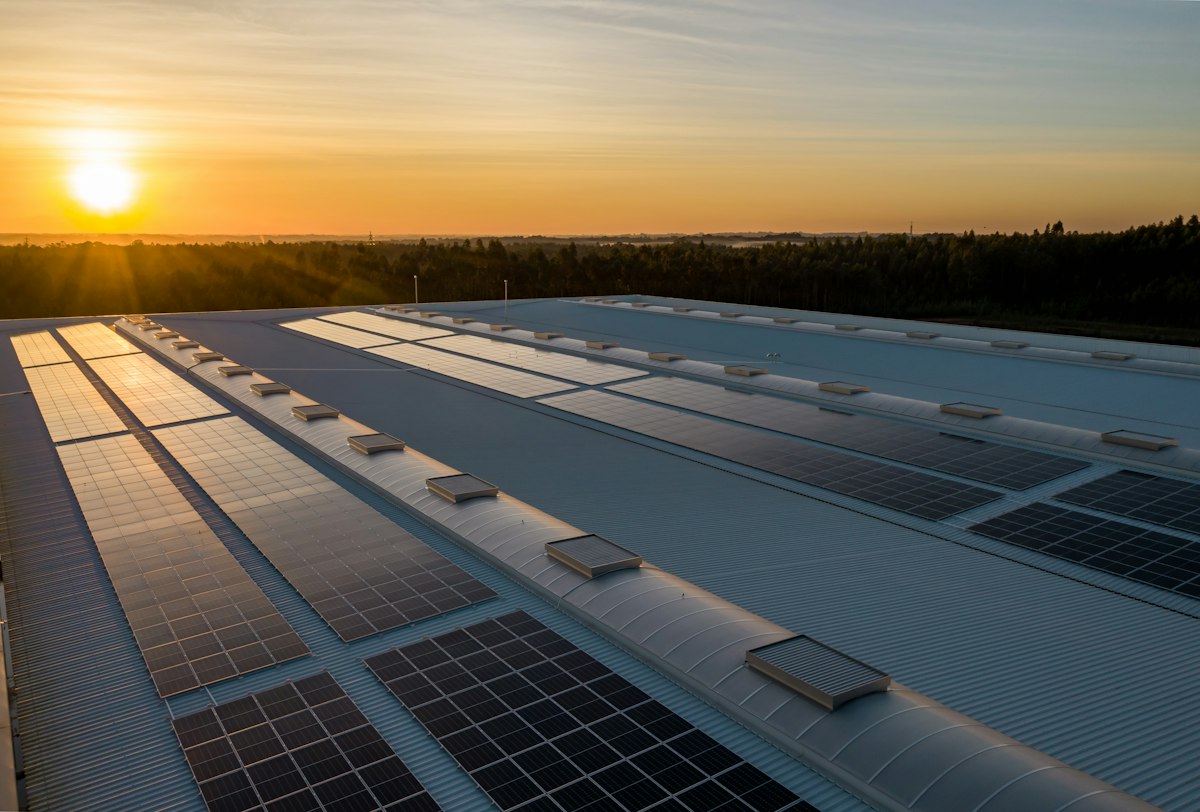
Plug-in solar legalization marks a major shift. It's for homeowners. They seek greater energy independence and lower utility bills. And across the United States, a growing number of states are actively working to embrace these accessible, do-it-yourself solar setups, offering a simpler path to renewable energy for many.
Backyard solar, they call it. These balcony solar systems are designed for straightforward deployment, typically consisting of one or more solar panels, an inverter, and a battery, offering a simple solution for homeowners. And their plug-and-play nature is truly appealing, because the system simply connects to a home's standard 120-volt outlet. Once active, it automatically directs solar-generated electricity from the battery to the nearest running appliance, reducing reliance on the grid. It is quite simple.
A Shifting Legislative Landscape
Plug-in solar is gaining momentum. It's widely accepted now. Ten states have already enacted legislation. So, backyard and plug-in solar systems are fully legal for residents. This allows homeowners in those regions to confidently purchase and install these devices, thereby opening new avenues for energy savings.
Beyond these ten pioneering states, approximately two dozen others are deep in various legalization stages: legislative bodies review bills, advance proposals through committees, or await final gubernatorial approval. It's not always smooth. Some have encountered delays. And this pushes consideration to future legislative sessions.
States Charting a Path Forward
The legislative journey for plug-in solar varies considerably from state to state. While some proposals are progressing rapidly, others face steep hurdles.
- Advancing Legislation: Massachusetts is seeing progress with its Balcony Solar Bills H.5175 and S3143. New York's SUNNY Act, a key piece of legislation, is currently awaiting approval from the governor.
- Committee Review: Several states have bills actively moving through committee hearings, including Michigan, Ohio, Pennsylvania, Rhode Island, South Carolina, and Washington, D.C.
- Stalled Until 2027: A significant number of states have seen their plug-in solar bills stall, with further consideration postponed until the 2027 legislative session. These include Alaska, Arizona, Delaware, Hawaii, Idaho, Illinois, Indiana, Iowa, Minnesota, Missouri, North Carolina, and Oklahoma.
- Bills That Failed: Unfortunately, efforts to legalize plug-in solar have not succeeded in Georgia, New Mexico, Oregon, Washington, and Wyoming. For residents in these states, operating such devices remains technically illegal, meaning lawmakers will need to reintroduce revised bills in the future.
Why Plug-in Solar Faced Early Restrictions
Plug-in solar was illegal. Americans' home electrical infrastructure differed. Professionally installed rooftop solar systems channel energy through a circuit breaker and into a home's outlets, carefully ensuring a controlled flow of electricity. But plug-in setups introduce electricity directly into a standard wall outlet. It's a serious safety issue. This bypasses the electrical panel, raising serious concerns that the existing wiring could potentially carry more current than the breaker alone is designed to manage before it safely trips, potentially leading to dangerous overheating.
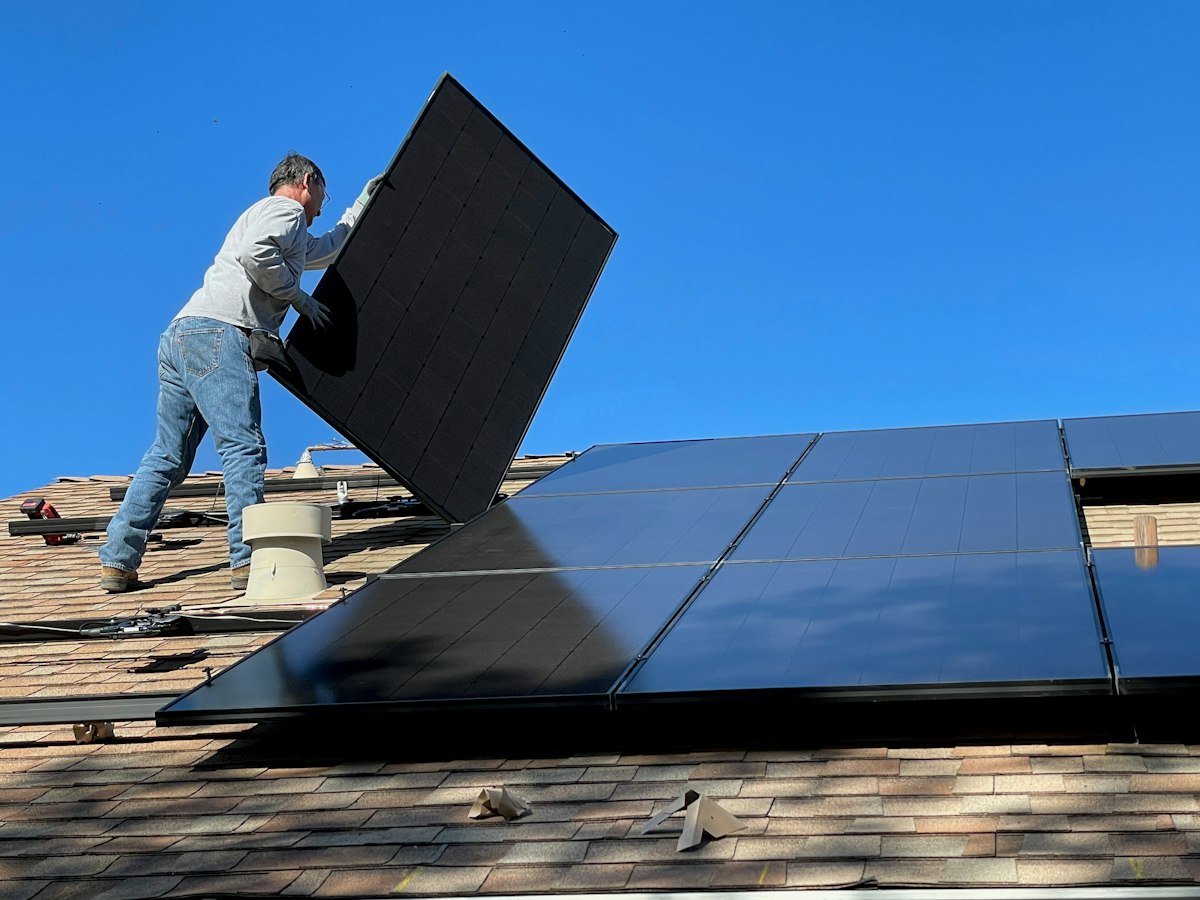
Installation proved tough. Beyond technical considerations, it's a complex web of electrical codes, utility regulations, and equipment certification requirements that historically made legal setup challenging. Utility companies pose a primary obstacle. But their existing rules for solar energy were predominantly crafted with large-scale, professionally installed rooftop panels in mind, not the more recent, smaller-scale plug-and-play systems.
The Utility Company Dilemma
Plug-in solar is here. Utility providers face big changes. Consumers now generate their own power. This development directly impacts utility revenues, diminishing their capacity to cover the costs of maintaining critical grid infrastructure, and potentially leading to service disruptions. This reduction in demand is complex. But it's partly why these companies often hesitate to adapt regulations for micro-generation systems. They're worried about their bottom line.
Plug-in solar legalization impacts everything. It extends beyond individual homes, affecting the very economics of energy distribution and consumption. Utilities must adapt. The evolving regulatory landscape aims to address these concerns, encouraging utility companies to adjust their policies, making room for this accessible form of renewable energy. This represents a major economic and infrastructural change that many are watching closely.
Navigating Local Hurdles Despite Legalization
Obstacles remain. Even where plug-in solar is legal, homeowners aren't fully clear. State legislative efforts primarily target utility companies, aiming to prevent them from blocking these projects, but these bills generally don't override potential bans imposed by landlords or Homeowners Associations, which can still thwart solar adoption despite the broader intent to facilitate it. These community rules or rental agreements, therefore, could still prohibit installation even if the state gives the green light. They're not out of the woods yet.
Some states are acting. They're introducing supplementary bills, recognizing a critical gap. These additional pieces of legislation aim to extend protections to residents, preventing landlords and homeowners associations from unilaterally banning plug-in solar systems. So, widespread legalization requires a multi-layered approach. It addresses regulatory, technical, and local community concerns.
Frequently Asked Questions
What is plug-in solar legalization and why is it significant for homeowners?
Plug-in solar legalization is a major shift for homeowners seeking greater energy independence and lower utility bills. It embraces accessible, do-it-yourself solar setups, offering a simpler path to renewable energy by allowing systems to connect to a home's standard 120-volt outlet.
How many states have enacted legislation to legalize plug-in solar systems, and what does this mean for residents?
Ten states have already enacted legislation, making backyard and plug-in solar systems fully legal for residents in those regions. This allows homeowners to confidently purchase and install these devices, opening new avenues for energy savings.
What were the primary reasons plug-in solar faced early restrictions?
Early restrictions were due to safety concerns because plug-in setups introduce electricity directly into a standard wall outlet, bypassing the electrical panel. This raised worries that existing wiring could potentially carry more current than the breaker is designed to manage, leading to overheating. Installation was also complicated by electrical codes, utility regulations, and equipment certification requirements.
How do utility companies potentially view plug-in solar, and what are their concerns?
Utility companies face changes as consumers generate their own power, which directly impacts their revenues and capacity to maintain grid infrastructure. They are often hesitant to adapt regulations for micro-generation systems because they are worried about their bottom line and potential service disruptions.
Even where plug-in solar is legal at the state level, what local hurdles might homeowners still face?
Even where plug-in solar is legal, homeowners may still face bans imposed by landlords or Homeowners Associations, which can thwart solar adoption. These community rules or rental agreements can prohibit installation despite state legislative efforts that primarily target utility companies.

Julian Sterling reports on enterprise IT, data infrastructure and the vendors that keep modern business running. He has a long-standing interest in how organisations modernise their systems without breaking what already works.
💬 Comments (0)
No comments yet. Be the first!