How Meta data center robots Handle Server Tasks
Meta data center robots are undergoing testing in Altoona and New Albany to automate repetitive technical workloads.
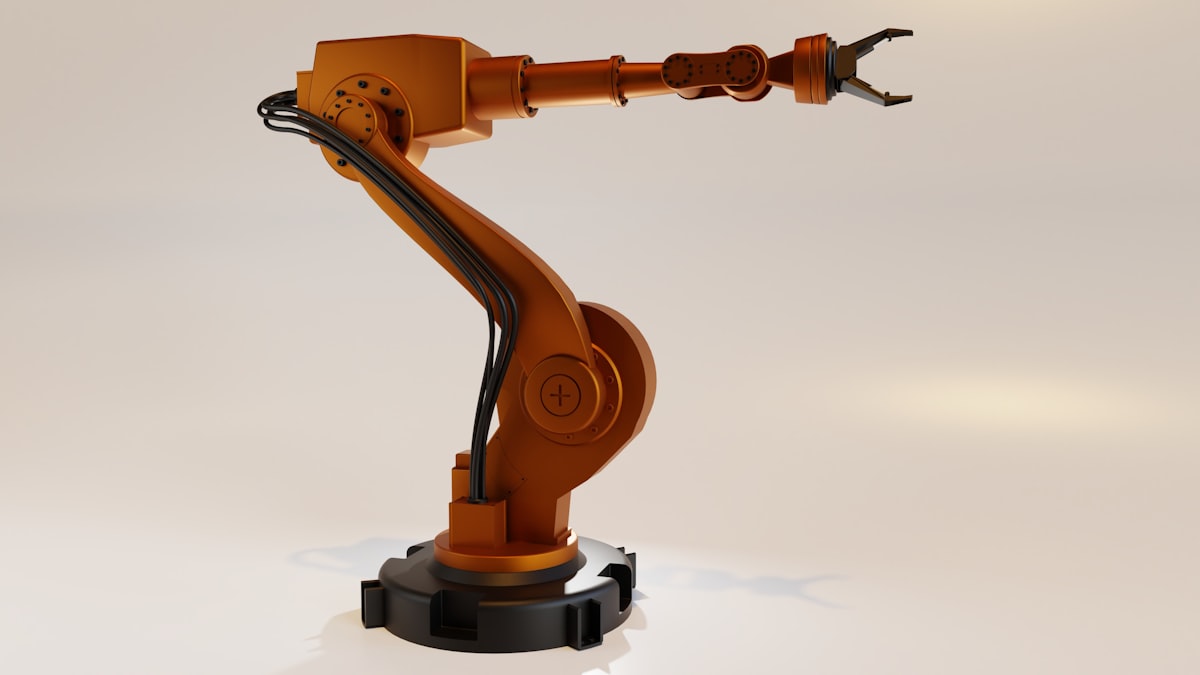
Meta's data center robots are testing right now inside its massive facilities, plugging in network cables, resetting servers, and managing power systems. It's quiet work. But this automation marks a real shift in how the tech giant handles physical infrastructure, and as spending on AI hardware keeps climbing, deploying specialized machinery could eventually let the company run sprawling sites with a smaller human footprint while keeping operational costs in check,though we can't ignore the logistical hurdles that remain. So don't expect a full robot takeover just yet.
The testing involves hardware from several different automation vendors. Among the machines currently deployed in these experiments are systems from Watney Robotics, Kinova, and ABB. By using these specialized machines, the company hopes to automate physical interventions that have traditionally required human hands on the data center floor.
Inside the technical experiments with server hardware
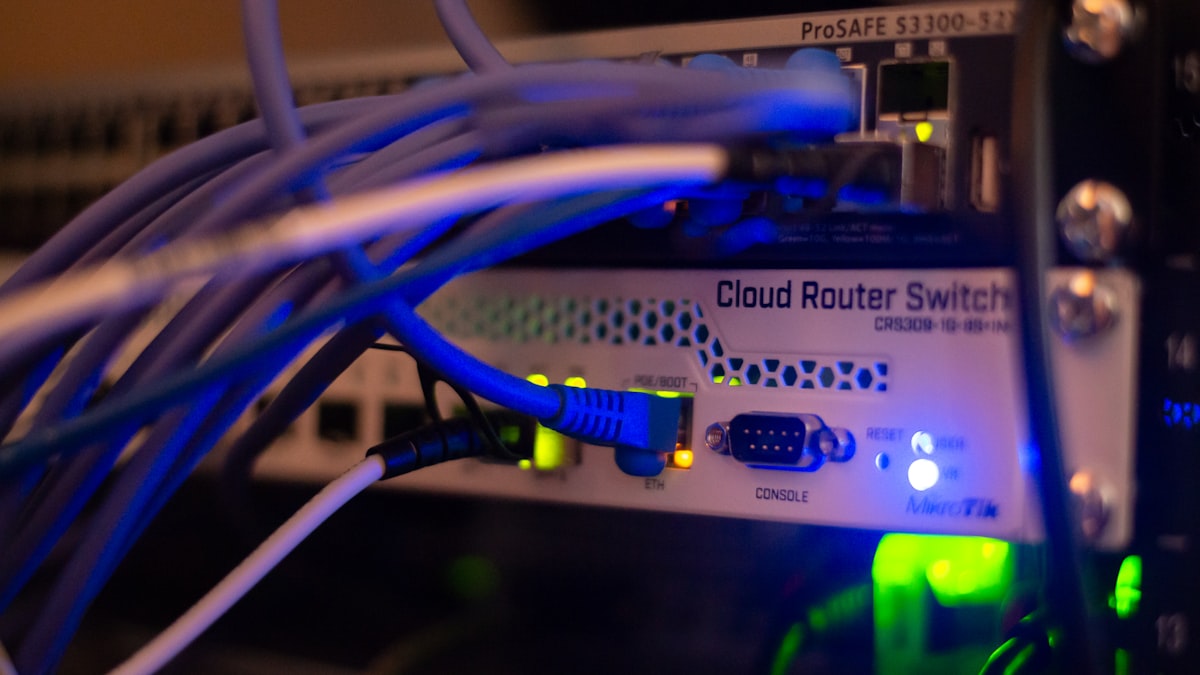
The physical tasks inside a modern facility are delicate. One of the primary experiments involves evaluating whether a Kinova Gen3 robotic arm can successfully handle power cycling, which involves cutting off electricity to specific servers to reset them. Another machine is being tested to swap out networking cables when connections fail or require reconfiguration.
For simpler tasks, a much less complex mechanism has been deployed. At some facilities, a basic device resembling a single finger or a pointy stick is used to physically press the power button on devices like a Mac Mini to restart them when a remote human operator triggers the command. While simple, these physical presses solve a common administrative headache without requiring a technician to walk the floor.
The division of physical labor
- Kinova Gen3 robotic arms are being evaluated for power cycling and cutting electricity to servers.
- Meta is also testing a different robot to swap networking cables.
- In-house inventory robots use cameras to inspect facilities, though they are currently limited to grayscale vision.
The limits of current mechanical hands
Despite the promise of automation, these machines still struggle with tasks that humans find simple. The inventory robot, which is also used for failure inspections, cannot distinguish between green and red indicator lights on server racks because its camera only captures grayscale images. This technical limitation means human workers must still step in to verify specific equipment breakdowns.
The wheeled inventory machines often have trouble navigating tight corners. They get stuck on loose cables lying on the floor. Because the fleet is relatively small, these robots can't move between buildings on their own, so a human operator must use a remote control to guide each machine through doors and transition it between different areas of the facility. It's a slow process. But that's the system they've got.
How automation affects the local workforce
Meta's data center robots have triggered quiet concern among the technicians who maintain these facilities. But in places like Altoona, Iowa, where a massive campus employs hundreds of workers, the local chat groups now carry a worried tone, a low hum of anxiety that spreads through every shift. They're afraid. Many employees fear their physical roles will be phased out as the technology matures, and they don't see a clear path forward, just a slow erosion of the work they've known for years. So the tension sits there, unspoken. It's real.
One worker estimated that if the cable-swapping and power-cycling experiments succeed, the machines could eventually replace up to 80 percent of the workload for certain physical roles. That's a huge number. But the corporate messaging doesn't match what people on the ground floor actually feel, and the gap between the two has become stark and undeniable. So it's a contrast they can't ignore.
"We thought those of us performing the physical tasks were safe for a while, but not anymore. It is coming for us all, unfortunately." , An anonymous Meta data center worker
Skilled labor? The company insists the need is still high. It points to a severe shortage of trade workers across the country, a gap that threatens to slow everything from new construction to routine maintenance. So they launched a free training program this year. It's designed to train thousands of people annually in electrical, mechanical, and plumbing skills, with guaranteed employment in states like Louisiana, Ohio, Indiana, and Texas. But that's not all. They've also partnered with construction unions to fund apprentice programs, contending that skilled human workers remain vital for constructing and maintaining these intricate facilities. They can't be replaced. Not yet.
Technical hurdles on the data center floor
Swapping human hands for robotic ones isn't simple. We've seen the scars of early industry experiments, where machines attempting basic physical tasks occasionally crushed servers into scrap, a costly lesson etched into the factory floors of the past. But that was then. Today, hardware is cheaper and AI models are far more capable, so you'd think the path would be clear,yet the stubborn, unyielding realities of physics and unpredictable environments still trip up even the smartest automatons. So don't expect a smooth ride. It's a messy grind.
For now, human hands remain the most reliable tool for complex troubleshooting, even as the machines continue to practice their grip.
Frequently Asked Questions
What specific tasks are Meta data center robots currently being tested for?
Meta data center robots are currently being tested for tasks such as plugging in network cables, resetting servers, and managing power systems. These include power cycling servers using a Kinova Gen3 robotic arm, swapping networking cables, and pressing power buttons on devices like a Mac Mini using a simpler device.
Which vendors' hardware are among the machines used in Meta's experiments?
The machines currently deployed in Meta's experiments include systems from Watney Robotics, Kinova, and ABB. These are part of the hardware from several different automation vendors being tested.
How does the inventory robot's vision limitation affect its inspection duties?
The inventory robot's camera only captures grayscale images, so it cannot distinguish between green and red indicator lights on server racks. This limitation means human workers must still step in to verify specific equipment breakdowns.
What concerns have Meta data center workers expressed about the automation?
Workers in places like Altoona, Iowa, have expressed fears that their physical roles will be phased out as the technology matures. One worker estimated that if cable-swapping and power-cycling experiments succeed, machines could eventually replace up to 80 percent of the workload for certain physical roles.
What training program has Meta launched to address the shortage of trade workers?
Meta launched a free training program this year designed to train thousands of people annually in electrical, mechanical, and plumbing skills. The program guarantees employment in states like Louisiana, Ohio, Indiana, and Texas, and Meta has also partnered with construction unions to fund apprentice programs.

Julian Sterling reports on enterprise IT, data infrastructure and the vendors that keep modern business running. He has a long-standing interest in how organisations modernise their systems without breaking what already works.
💬 Comments (0)
No comments yet. Be the first!