Spider-Noir: Black-and-White vs True Hue—A Triumph
Spider-Noir fuses fast-paced storytelling, compelling characters, and gorgeous cinematography into a hugely entertaining homage to a bygone era. This Spider-Noir review explores both viewing modes.
Spider-Noir arrived on Prime Video. It has a built-in advantage, letting you choose between black-and-white and a supersaturated color format the production team calls True Hue. I watched the entire first season both ways, flipping back and forth like a projectionist testing a new lamp. It's not a gimmick. And what I found was a series that understands visual texture can reshape how a story lands, so in both modes the show punches well above the usual superhero streaming fare. This Spider-Noir review explores both viewing modes.
Two Formats, One Authentic World
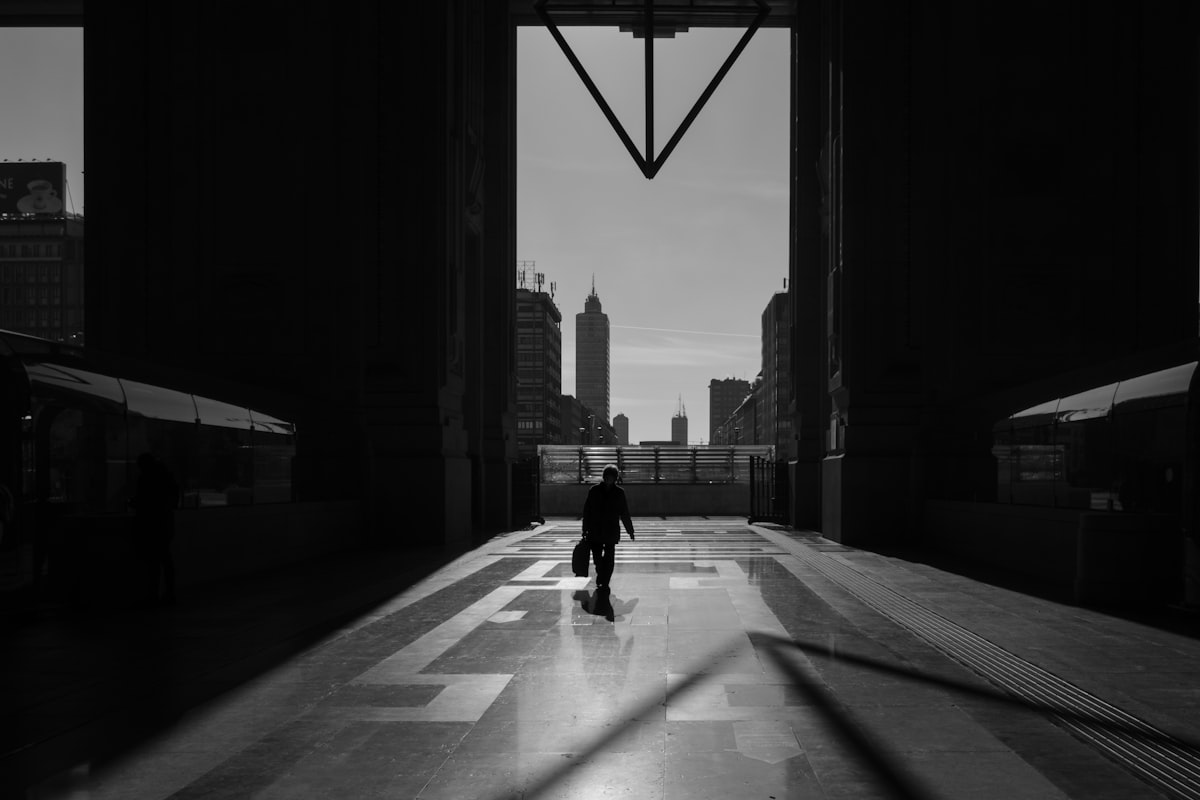
It's not one format. The footage was shot digitally and processed separately for each finish, not converted after the fact, and the black-and-white version drips with Old Hollywood atmosphere from 1940s noir pictures. But the color version's different. The color version, labeled True Hue, pushes saturation to the edge of a vintage Technicolor print, and Nicolas Cage likened the feel to Edward Hopper’s painting Nighthawks, and that comparison holds up. Color frames snap like comics. That's from his page origin.
I favor the black-and-white cut. It cloaks every scene in paranoia and weary dread. But here's the trade-off: monochrome flattens the lustrous evening gowns worn by nightclub singer Cat Hardy, while the True Hue version lets those costumes pop like they belong in a 1940s MGM musical. Artistically, the creators knew exactly where to stand firm. The opening credits run in black-and-white no matter which version you select, a decision that lands perfectly when paired with the original theme “Saving Grace” featuring Kirby.
Ben Reilly Is Not Peter Parker, and That Helps
So here's Ben Reilly. Co-showrunner Oren Uziel felt that Peter Parker's boyish persona didn't suit the hard-boiled Depression-era setting, so the series reworks the Spider-Noir myth by dropping the usual high-school archetype and introducing Ben Reilly instead. He's a private investigator whose secret spider-identity has been mothballed for five years after his fiancée Ruby died. He's drinking too much, losing clients, and barely keeping his office open with help from secretary Janet, played by Karen Rodriguez. His reporter friend Robbie Robertson, played by Lamorne Morris, keeps nudging him to bring The Spider back. But without that vigilante, mob boss Finn Byrne Silvermane played by Brendan Gleeson has a chokehold on the city's bootlegging, its politicians, and its press.
Homage never becomes mimicry. Nicolas Cage once said it's 70% Humphrey Bogart and 30% Bugs Bunny, and the Bugs-like ham springs out only when the plot earns it. So Ben disguises himself as a handyman or a mental patient to slip past guards. But beneath those shifts, Cage views the character as a spider trying to cosplay as a human rather than a human with spider-like traits, and years of tai chi practice shaped his physical choices. As Ben transforms, his body twitches and jerks while he fights to suppress the instinctive inner Spider. Later episodes make that movement language key. He confesses to Cat that he had to learn how to act human again. The Spider's always there.
Supporting Players with Deep Noir Roots
- Karen Rodriguez patterned her take on the capable, loyal secretary after Effie from The Maltese Falcon.
- Li Jun Li looked to Rita Hayworth in Gilda, Lauren Bacall, and Kim Basinger in L.A. Confidential to build Cat Hardy’s sultry edge.
- Lamorne Morris gets a standout scene where his character impersonates The Spider, and it is sharp-witted and genuinely funny.
- Andrew Lewis Caldwell plays Megawatt, a frustrated actor who spouts Shakespeare mid-zap, avoiding what could have been pure camp.
Brendan Gleeson makes Silvermane magnetic. Tough and menacing, yes. But he's also funny and occasionally vulnerable. Lukas Haas, whom many remember as the Amish boy in 1985's Witness, brings a quiet menace to the enforcer Winston. The roster of superpowered antagonists arrives with a grim twist. Flint Marko (Jack Huston) is slowly becoming Sandman while his friend Lonnie Lincoln (Abraham Popoola) turns into Tombstone, both dying from their genetic mutations, and Megawatt faces the same countdown. Silvermane recruits them to terrorize the city, using their sharply truncated lifespans as a weapon, and that death-clock pressure gives the villains an urgency that a typical muscle role doesn't carry.
Why the Show Stands Alone and Shines
Many superhero spinoffs stumble because they’re forced to serve a larger multiverse plan. Spider-Noir side-steps that entirely. Executive producer Chris Miller put it plainly.
“It’s just its own little jewel of a story.”
Miller said there was no intention to build a giant web of interconnected series, but that freedom lets the writing stay tight and the character beats land without cross-title homework. The season wraps with no loose threads engineered to set up a universe. There's no word yet on a second season. Strangely, that's fine. A single flawless run would be enough. The reluctant hero's arc closes without teasing a sequel. The same care that went into the visual two-format gamble went into the story's restraint.
But watch the credits first. Spider-Noir is now streaming on Prime Video in both black and white and True Hue, and no matter which version you settle on, they'll tell you exactly what kind of rare, confident swing you're about to take.
Frequently Asked Questions
What is Spider-Noir?
Spider-Noir is a black-and-white animated short film featuring a noir-style Spider-Man from an alternate 1930s universe.
Why did you watch it in both black-and-white and true hue?
To compare how the noir aesthetic and color grading affect the storytelling and mood of the film.
Which version did you prefer and why?
The black-and-white version, as it enhances the film's noir atmosphere and visual style.
Does the true hue version lose any impact?
It loses some of the gritty, shadowy feel that makes Spider-Noir unique, but it still looks vibrant.
Is Spider-Noir worth watching?
Absolutely, it's a creative triumph that pays homage to classic noir while offering a fresh take on Spider-Man.

Chloe Dupont covers consumer technology, from the latest devices to the software shaping daily life. She focuses on how new tools fit into the real world and whether they live up to the promise.
💬 Comments (0)
No comments yet. Be the first!