Nancy Grace Roman Space Telescope: A New Guardian
NASA’s Nancy Grace Roman Space Telescope is launching soon. Beyond mapping the cosmos, it may help protect Earth from asteroids.
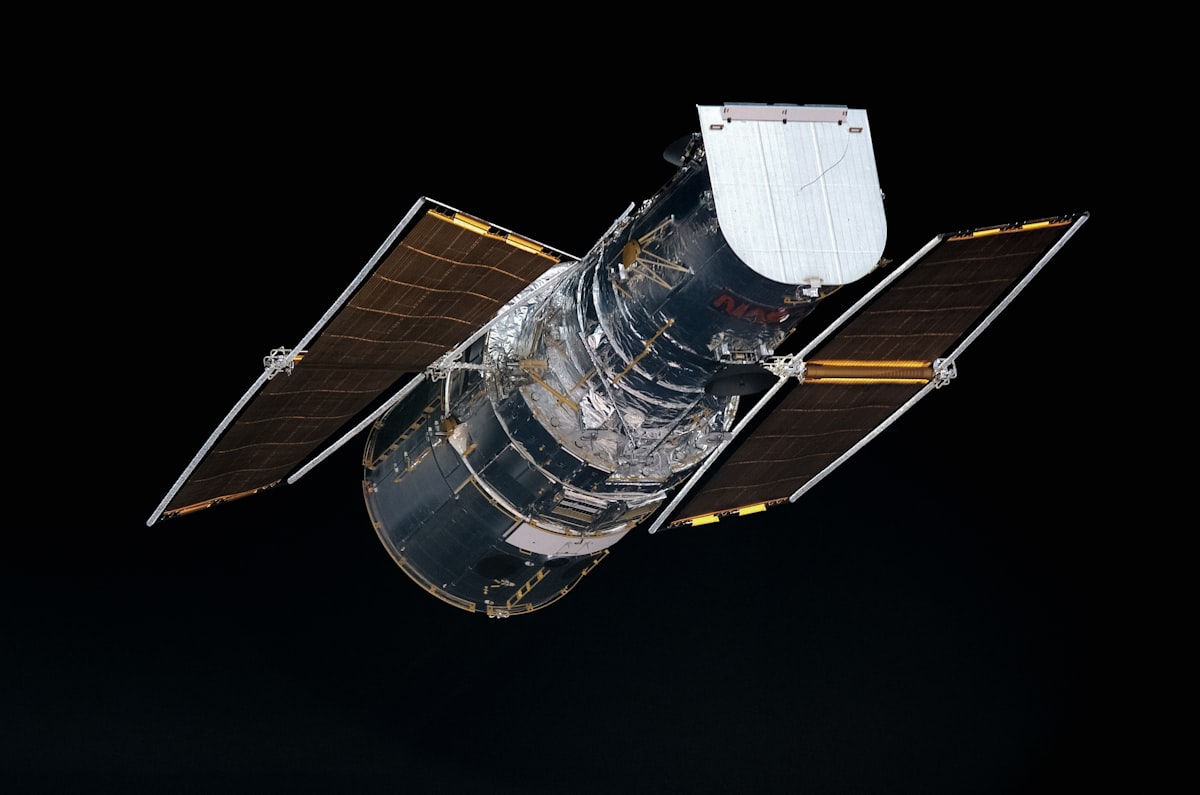
The launch window opens at the end of August from Kennedy Space Center in Florida. But this telescope isn't just another observatory, it's a cosmic detective with a dual mission, one that will peer into the darkest corners of the universe to measure the expansion of space itself while also keeping a watchful eye on the rocks that might one day threaten our home. It's a heavy lift. The primary goal is dark energy, that mysterious force driving the cosmos apart, yet the same sensitive optics that map distant galaxies can spot near-Earth objects with alarming clarity. So we've got a shield in the sky. That's a comforting thought.
A Guard for the Solar System
Most of us think of space telescopes as tools to look at distant galaxies. That is true. But this machine can also look through our own solar system. This positioning allows it to track asteroids that might pose a risk to our planet.
The telescope is named after the first chief astronomer at NASA. It's got a 300-megapixel infrared camera with a wide field of view. That's a big deal. So when you point it skyward, it sees a patch of space roughly 100 times larger than the Hubble Space Telescope can capture, which means it can map vast cosmic regions in a single glance, sweeping in entire galaxy clusters where Hubble would need dozens of separate observations. But don't mistake size for simplicity.
What This Means for Planetary Defense
This mission wasn't built specifically to hunt for space rocks. But its massive field of view makes it a natural candidate for the job, since the instrument can sweep across vast stretches of sky and catch objects other telescopes would miss. It's able to spot small asteroids up to 60 feet long. That's a big deal.
This is the same size as the asteroid that exploded over Chelyabinsk in 2013. That event released the force of 500,000 tons of TNT. It caused injuries to 1,500 people.
Key Facts About the Telescope
- It uses a 300-megapixel infrared camera.
- It covers a field of view 100 times larger than Hubble.
- It can help identify the size and composition of asteroids.
- It will work alongside other observatories like the James Webb Space Telescope.
Bryan Holler, a researcher at the Space Telescope Science Institute in Baltimore, notes the value of this capability. His colleague Rick Cosentino suggested highlighting Roman's planetary defense abilities to boost visibility with lawmakers and taxpayers. That was the pitch. So Holler recounted it. It's a smart angle, really, because it turns a complex telescope into something tangible, something that protects us from cosmic threats, and that's a story people can grasp and support. But the idea wasn't his own. It came from Cosentino.
"Roman can provide infrared observations of more asteroids than JWST could hope to observe in a reasonable amount of observing time," says Bryan Holler.
How the System Finds Rocks
The telescope is designed to peer deep into the universe. It sees streaks caused by cosmic rays, glitches, or asteroids while gathering data. Those streaks are usually discarded by the software.
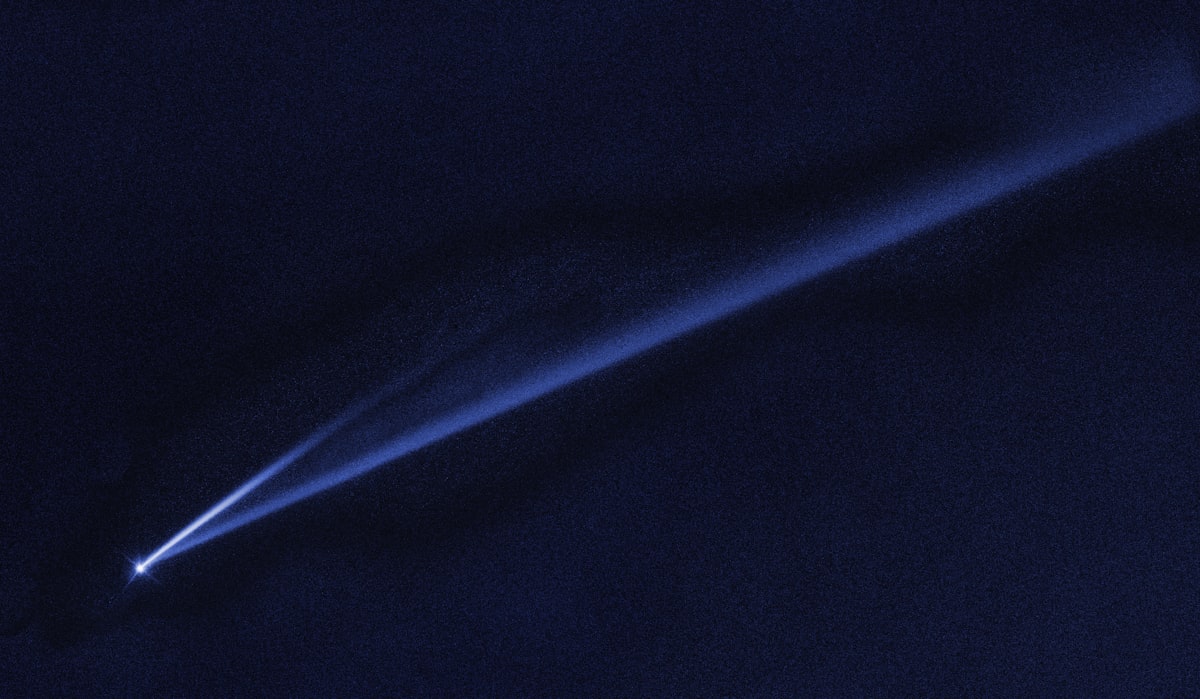
But that is where human intervention comes in. Astronomers can study those specific streaks to pick out the ones that are actual asteroids. This manual check turns the telescope into a defensive tool.
Teamwork in the Cosmos
No single telescope can monitor every rock in orbit. The strategy involves multiple observatories working together. NEO Surveyor will launch in 2027 to act as a dedicated planetary defense observatory.
NEO Surveyor spots a potential threat. But it might not have enough data to be certain. So Nancy Grace Roman Space Telescope enters the mix, and it can be commanded to look at that specific corner of the sky, zeroing in on the exact region where the object was detected, refining the orbit and confirming whether we're actually in danger.
"Roman will sample such a large volume of the cosmos that we have long known it will offer vast opportunities for a range of additional science," says Alise Fisher, the astrophysics communications lead at NASA headquarters.
By observing from different angles, the telescope helps narrow down orbits much faster. It can also estimate the density and mass of an asteroid based on whether it is made of stone, carbon, or metal. This information is vital if experts ever need to nudge an object out of its path.
Is It Worth the Effort?
Planetary defense is a major concern. There are roughly 25,000 asteroids 460 feet long or larger in near-Earth orbits. Just over half of those are still lost to us. Finding them is a massive task.
The Nancy Grace Roman Space Telescope won't be the lead actor in this defense. It has other jobs to do. Those jobs include finding supernovas and new planets, along with many other scientific priorities that demand its unique capabilities and sharp eyes on the cosmos. But it will serve as a powerful partner in the network of observatories, so don't count it out just yet.
It helps ensure that telescopes stay focused on the correct targets. We are moving toward a future where we have a much better map of what is flying near our home. We will soon have the tools to spot threats before they arrive.
Frequently Asked Questions
What is the primary goal of the Nancy Grace Roman Space Telescope?
The primary goal is to study dark energy, the mysterious force driving the cosmos apart. The telescope uses sensitive optics to map distant galaxies to measure the expansion of space.
Why is the Nancy Grace Roman Space Telescope considered a natural candidate for planetary defense?
Although not built specifically for hunting space rocks, its massive field of view makes it a natural candidate because it can sweep across vast stretches of sky and catch objects other telescopes would miss. It can spot small asteroids up to 60 feet long.
How does the telescope help identify asteroids that might threaten Earth?
Astronomers can study streaks in the telescope's data that are caused by asteroids, which are usually discarded by software. By manually checking these streaks, they can pick out actual asteroids and refine their orbits.
When is the launch window for the Nancy Grace Roman Space Telescope?
The launch window opens at the end of August from Kennedy Space Center in Florida. This information is directly stated in the article.
Who suggested highlighting Roman's planetary defense abilities to boost visibility?
Rick Cosentino suggested this idea to his colleague Bryan Holler, a researcher at the Space Telescope Science Institute in Baltimore. Holler recounted the pitch to emphasize the telescope's protective role.

Markus Heill writes about technology and the tools we use every day, from smartphones to the services that run in the background. He is interested in how good design makes technology easier to live with.
💬 Comments (0)
No comments yet. Be the first!