Drones Sink Ships Near NATO Countries in "Unacceptable" Attacks, EU Says
Drones sink ships near NATO countries for the first time as Black Sea cargo vessels come under attack, drawing EU concern.
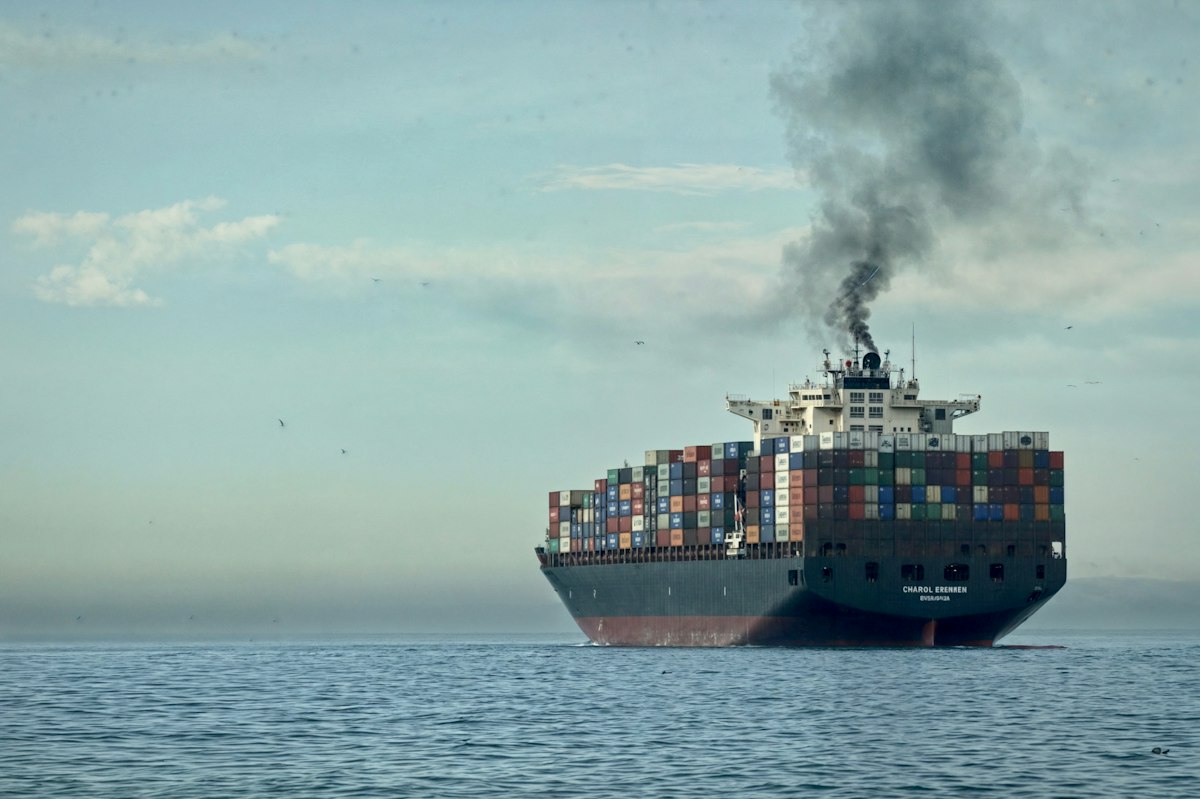
Drones sank ships near NATO countries in the Black Sea. That's a first. The human cost is already clear. At least two sailors are dead, one remains missing, and a Bulgarian search for a 10-person crew has ended without finding anyone. And civilian cargo vessels were hit inside the exclusive economic zones of Bulgaria and Romania, two NATO members whose coastlines now sit at the edge of a widening drone war that's expanding in ways we've never seen before and can't afford to ignore.
Three Ships Hit in Two Days
On October 6, the Togo-flagged cargo ship Alfa Watan sank and the Palau-flagged Able caught fire after multiple sea and aerial drones struck them about 80 miles, or 128 kilometers, off the coast of Bulgaria. The Able was carrying wheat and heading south. The Alfa Watan was moving north, and its cargo has not been disclosed.
Rumen Radev didn't soften a thing. Bulgaria's prime minister called the incidents an unacceptable intrusion into his country's exclusive economic zone, a clear breach of the rules that are meant to protect merchant sailors, and he made that plain. And he's not wrong. It's a violation, plain and simple.
An unacceptable attack in Bulgaria's exclusive economic zone and a blatant violation of international law and maritime law.
A day earlier, on October 5, a Turkish-owned cargo ship named Royad Mammadov was hit inside Romania's exclusive economic zone. It caught fire and eventually sank. Romanian ships and helicopters rescued 11 crew members. One person remains missing. Two crew members were killed. The ship had been carrying corn loaded at the Ukrainian port of Ismail when drones hit it from the air and the sea.
Here is the breakdown of all three vessels.
- Alfa Watan, Togo-flagged: sank on October 6 off Bulgaria; 10 crew, no survivors found; search called off October 7.
- Able, Palau-flagged: set ablaze on October 6 off Bulgaria; all 18 crew evacuated by a Bulgarian ferry; two severely injured crew flown to Varna.
- Royad Mammadov, Turkish-owned: hit October 5 in Romania's exclusive economic zone; caught fire and sank; 11 crew rescued, one missing, two killed; carrying corn from Ismail.
Bulgaria Halts the Search
Ten crew members aboard the Alfa Watan got no such rescue. Bulgaria found no survivors from the vessel. Searchers came across life rafts and pieces of the ship, and Bulgaria eventually called off the search. For the Able, the picture was less grim. A Bulgarian ferry evacuated all 18 people on board, and two severely injured sailors were flown to a hospital in the city of Varna.
A Drone War Moves Closer to NATO
Ursula von der Leyen called the drone strikes on the three vessels increasingly concerning. She's the European Union President. She posted that on X. She didn't name who launched them, and she cautioned that the circumstances are still being established, which is a fact we can't ignore, and she made it clear that the attacks remain under investigation, and no one has claimed responsibility yet. But no one has claimed responsibility yet.
Attacks on civilian shipping are unacceptable. We stand in full solidarity with our Member States on the Eastern flank.
Ukrainian President Volodymyr Zelenskyy did not share that caution. He said a joint investigation with Bulgaria's navy found that the latest strikes were a "Russian combined attack using both sea and aerial drones." He added that Ukraine's military was not operating in that part of the Black Sea. And that is where the week gets awkward. Brussels says the facts are still being worked out. Kyiv says the answer is already on the table.
Drones sink ships near NATO countries. That's new. And it's not happening in the open sea. It's happening inside exclusive economic zones. That escalation has been building since February 2022, when Russia launched its full-scale invasion of Ukraine, and it's a shift that has been growing steadily over the months that followed. Ukraine didn't have much traditional naval power. So they turned to aerial drones and drone boats to strike Russian warships and ports. Russia adopted the same tools against Ukrainian ships, ports, and international commercial vessels carrying grain and other cargo from Ukraine or docked at Ukrainian ports.
The cargoes tell their own story. The Able was hauling wheat. The Royad Mammadov was loaded with corn from Ismail. These are food shipments moving through a sea that has become a pressure point for global grain supply. Zelenskyy condemned what he called the "horrific strike by two Russian drones on a civilian vessel in neutral waters" and tied the attacks directly to food security. He also referred to "relevant proposals from third countries" on Black Sea security.
But Russia consistently chooses terror and sinking civilian vessels instead of normal maritime navigation. Pressure is needed to restore global food security.
India's Balancing Act
India has been holding discussions with both Ukraine and Russia on safeguarding shipping in the Black Sea and has generally called for a halt to the fighting. India's position is tangled. New Delhi keeps a strategic partnership with Moscow, one that includes Indian military use of Russian fighter jets and air defense systems, and the country continues buying Russian oil for its energy needs. At the same time, many Indian citizens work as seafarers on commercial vessels that have come under attack in the Black Sea and the Strait of Hormuz. Three Indian nationals were aboard the Royad Mammadov. One was injured in the strike.
The Hybrid Front Beyond the Water
The ship strikes off Bulgaria and Romania didn't happen in a vacuum. European governments have been pointing at a pattern of Russian hybrid warfare, also called gray-zone tactics, aimed at the NATO alliance, and they say it's part of a wider campaign of provocations that keeps growing as more incidents pile up. Russian embassy officials have denied the accusations. But the list of incidents keeps growing. Drones sink ships near NATO countries. That's only one piece of a wider campaign of provocations, and it's a fact that governments say they can't ignore.
Romania's Gas Field Alerts
Romanian military divers destroyed two Russian-made drones in August. They found them floating in the Black Sea near Neptun Deep. That's a vital European natural gas project. A few weeks later, Romania scrambled fighter jets to disable a Russian drone boat loaded with explosives, which was also discovered near the same offshore gas platform, and it's clear they're watching that area closely because the stakes don't get much higher for Europe's energy supply.
Poland has its own case. A fire at a state-owned satellite station that uses SpaceX's Starlink communication service is being investigated as an "act of sabotage." Polish Deputy Prime Minister Krzysztof Gawkowski said the incident aligns with a "new Russian doctrine of attack."
- Romanian divers destroyed two Russian-made drones near the Neptun Deep gas project in August.
- Romania later scrambled fighter jets to disable an explosives-loaded Russian drone boat near the same platform.
- Poland is investigating a Starlink satellite station fire as sabotage tied to a "new Russian doctrine of attack."
What NATO Has to Decide
Much of the alliance is still rearming. It's trying to adapt to a modern warfare style dominated by drones, and Ukraine and Russia have spent years developing and practicing these systems in battle, which means they've learned things that others haven't. But the hybrid attacks across Europe pose a different immediate problem. Can NATO member countries agree on a strategy for discouraging sabotage and other provocations from a nuclear-armed adversary? That's the question. They don't have much time, and we've seen how hard it is to get everyone on the same page when the threat keeps shifting.
That question went unanswered this week. The ships keep sailing. The drones keep flying. And the exclusive economic zones of NATO members are no longer the safe water they were assumed to be, which is a shift nobody fully expected and nobody has yet explained in any detail that satisfies the people watching these incidents pile up. Drones sink ships near NATO countries. The response so far is a mix of solidarity, investigation, and calls for pressure. But what that pressure looks like, and whether it changes anything at sea, is still undecided.
Frequently Asked Questions
Which three cargo ships were hit by drones near NATO countries in the Black Sea, and what were their flags?
The three vessels were the Alfa Watan, which is Togo-flagged; the Able, which is Palau-flagged; and the Royad Mammadov, which is Turkish-owned. The Alfa Watan sank on October 6 off Bulgaria, and the Able caught fire the same day off Bulgaria, while the Royad Mammadov was hit on October 5 inside Romania's exclusive economic zone.
What were the human costs and rescue outcomes for each of the three ships struck by drones?
At least two sailors are dead and one remains missing overall, with the Royad Mammadov accounting for two crew members killed, one missing, and 11 crew rescued by Romanian ships and helicopters. For the Alfa Watan, 10 crew were aboard and no survivors were found, with the search called off October 7, while all 18 crew on the Able were evacuated by a Bulgarian ferry and two severely injured sailors were flown to Varna.
Why did Bulgarian Prime Minister Rumen Radev describe the drone strikes as unacceptable?
Radev called the incidents an unacceptable intrusion into his country's exclusive economic zone and a clear breach of the rules meant to protect merchant sailors. The article states he characterized it as an unacceptable attack in Bulgaria's exclusive economic zone and a blatant violation of international law and maritime law.
How do the EU and Ukrainian positions on responsibility for the drone strikes differ?
Ursula von der Leyen called the strikes increasingly concerning but did not name who launched them and cautioned that the circumstances are still being established and remain under investigation. Volodymyr Zelenskyy, by contrast, said a joint investigation with Bulgaria's navy found the latest strikes were a Russian combined attack using both sea and aerial drones, and added that Ukraine's military was not operating in that part of the Black Sea.
What connection does the article draw between the drone attacks and global food security?
The article notes the Able was hauling wheat and the Royad Mammadov was loaded with corn from the Ukrainian port of Ismail, describing these as food shipments moving through a sea that has become a pressure point for global grain supply. Zelenskyy tied the attacks directly to food security and said pressure is needed to restore global food security.

Chloe Dupont covers consumer technology, from the latest devices to the software shaping daily life. She focuses on how new tools fit into the real world and whether they live up to the promise.
💬 Comments (0)
No comments yet. Be the first!