Ukraine Upgrades Drones With Auterion Skynode S
Ukraine’s Shrike drones are getting upgraded with Auterion Skynode S kits to track targets autonomously.
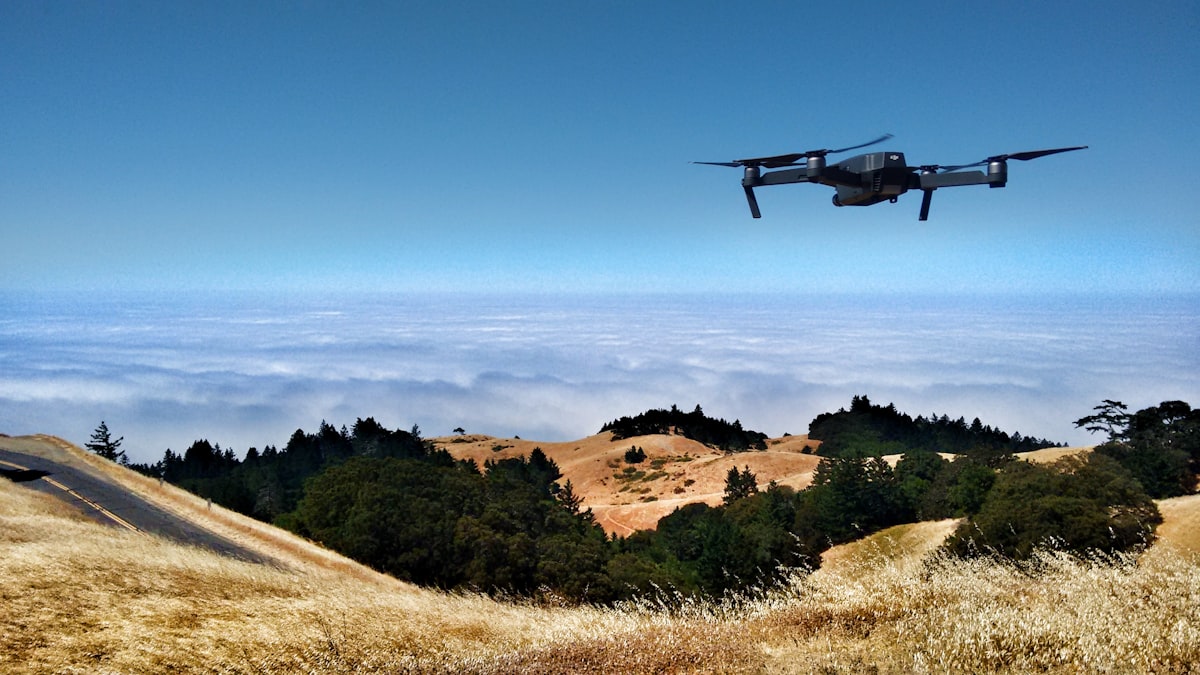
Auterion Skynode S drone strike kits are heading to the frontlines as part of a massive technology integration, and that integration is reshaping how Ukrainian forces wage their aerial war. Ukrainian drone operators have spent months targeting armored vehicles and military helicopters using relatively cheap, four-hundred-dollar Shrike drones carrying explosive payloads, yet those missions have often demanded risky manual control under heavy fire. But these operations are going through a major shift. Thousands of these small aircraft are receiving hardware and software upgrades designed to let them track and hit moving targets on their own, so the human hand in the loop is fading fast. It's a new era.
The upgrade cycle began in mid-July. That's when the Ukrainian military started receiving Shrike drones built by local manufacturer SkyFall. These platforms are equipped with the new guidance kits developed by Auterion, and under a major procurement plan, the companies intend to deliver 50,000 drones outfitted with the specialized flight system in the coming months. So the timeline is tight, but they're committed.
The Mechanics of Terminal Guidance
This technology fundamentally changes how a pilot interacts with a drone during a strike mission. Under the manual setup, a pilot must guide the craft all the way into the target, which requires a constant, clean radio connection. The new configuration alters this process.
A pilot manually flies the Shrike drone into the target area. But once they spot a target up to half a mile away, they designate it on their screen and activate the system, and that's where the real shift happens. At that point, the aircraft enters a terminal guidance mode, operating on a fire-and-forget basis. It's all automated now.
But there is a catch. The pilot does not lose control immediately. If the radio signal remains active, the human operator can abort the attack or select a different target. The real advantage appears when that radio connection fails.
If the signal drops due to physical obstacles like buildings, hilly terrain, or heavy electronic jamming from enemy forces, the drone does not fall out of the sky or miss. It continues tracking the designated target autonomously. This capability relies entirely on visual data gathered from the drone's primary onboard camera. By bypassing the need for GPS signals, the system avoids the widespread GPS jamming that regularly disables standard navigation on modern battlefields.
Upgraded Hardware Versus Budget Alternatives
The addition of the Auterion Skynode S kit changes the economics of the platform. Let's break this down.
- Standard Shrike drones without autonomous guidance cost around $400.
- Upgraded Shrike drones featuring the new flight controller and software cost approximately $2,000.
- Mid-range autonomous strike platforms, such as the Perennial Autonomy Hornet, cost around $5,000.
- Traditional Western precision guided munitions often cost six or seven figures per shot.
The difference lies in the silicon. Cheap drones off the shelf? They're hobbled by flight controllers that simply lack onboard computing power or any machine learning capability, so they can't adapt mid-flight. But the upgraded configuration swaps that basic unit out for avionics built around a microprocessor, and that's the real shift. This onboard processor runs a flight control and guidance system, one that's tuned specifically for an eighteen-dollar Western-made Arm system-on-a-chip, which is a bargain for the performance you get. It's all about the brain, not the frame.
Lorenz Meier, co-founder and CEO of Auterion, detailed the shift in capability:
What we are doing is replacing the existing flight controller, which has no computer, no AI, with avionics that has a microprocessor unit, has AI on board, and can track into the target fully autonomously.
Funding and Logistics Behind the Deployment
A $100 million contract backs the delivery of 50,000 upgraded Shrike drones. It's a hefty sum. An officially unnamed European country is funding the program, and reports indicate that Germany is the country behind the order, though official channels have stayed silent on the matter so far. So the assembly and fulfillment of these kits are being handled by Auterion's team based in Munich, Germany, which means the work stays close to home. That's the story.
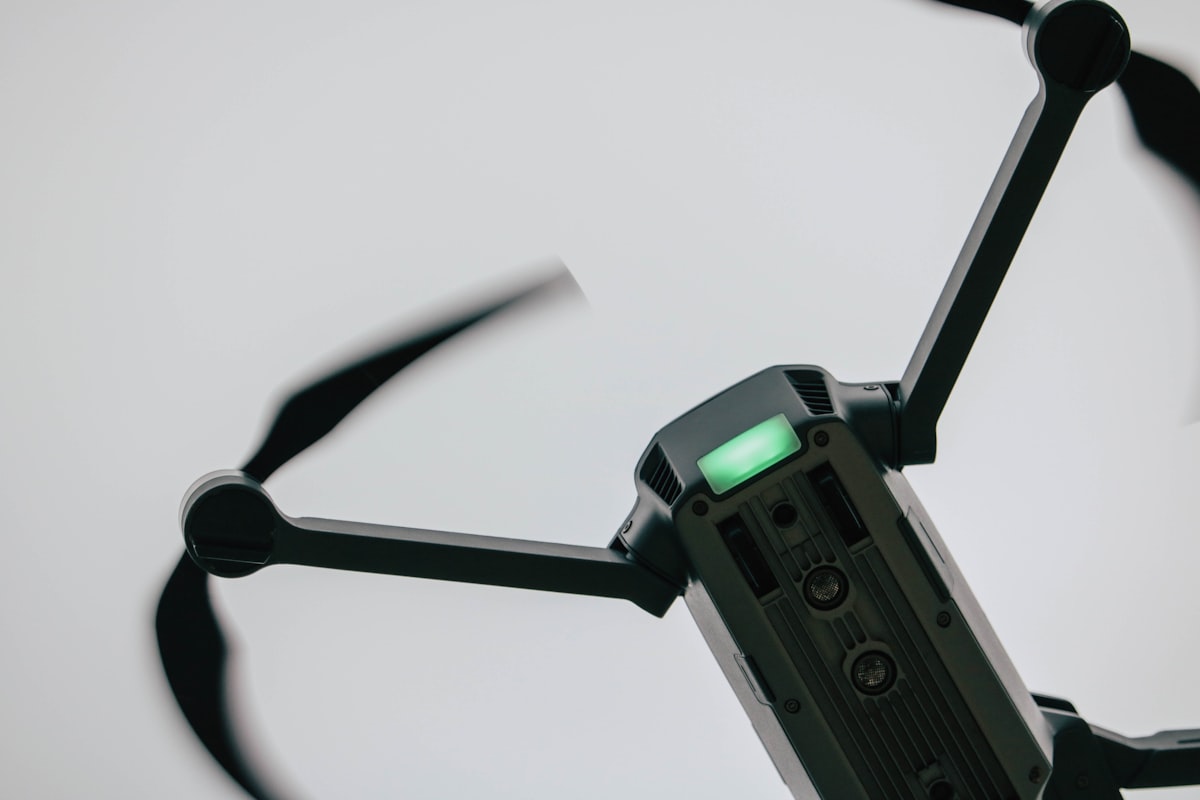
This order marks the company's largest single delivery contract to date. But it's not the only commitment on the horizon, since the firm previously agreed to supply 33,000 drone strike kits to Ukraine by July 2025, backed by a separate $50 million Pentagon contract that adds further weight to its growing pipeline. That's a big deal. It's a hefty follow-up. And the numbers speak for themselves.
And this is where it gets interesting. These hardware kits are designed to receive future software updates. These planned updates aim to allow a single human operator to manage an entire cooperative swarm of drones during an attack.
Testing Cooperative Swarms in the Field
The company has already run demonstrations of this cooperative technology. It's not science fiction. During a live-fire combat exercise at Camp Blanding, a US military range in Florida, a single pilot managed three autonomous strike drones, and the three aircraft successfully targeted three separate, individual objectives. So the proof is there.
The Nemyx system is a coordinated machine. Drones communicate and coordinate their strikes through it, allowing them to prioritize high-value targets and adjust their flight paths in real time if another drone has already destroyed a specific objective. This prevents multiple aircraft from wasting ammunition on the same target. So the pilot simply points the swarm toward a general objective. That's it. The aircraft handle all remaining attack coordination themselves, without any human intervention.
Simplifying the Training Pipeline
Sixty seconds. That is the time required to train a new operator to use the upgraded system, according to the company. The automated guidance software handles the complex physics of flight and targeting, reducing the physical coordination needed from the pilot.
An operator just guides the drone toward the objective, nudging the controls up and down until the general area comes into view. There. That's it. Once the target shows up on the screen, they select it with a tap, and the terminal guidance system takes over, handling the fine adjustments and final approach without any further input from the human on the ground. So this simplified training method could let military forces send out many drones at once, and they don't need a months-long program for specialized pilots to make it work.
The tech allows for complete autonomy. But the platform's creators insist humans stay in the loop, arguing that a human operator must make life-or-death decisions, even if adversaries eventually force a shift toward fully automated system-on-system warfare. Meier stated that's the company's belief. It's a stance they can't abandon.
Rapid Innovation Cycles in Active Conflict
The deployment of these kits highlights a broader trend in drone development. Ukrainian manufacturers have established a rapid pipeline for testing and improving military hardware, and that pipeline depends on a willingness to accept imperfection from the very start. Rather than waiting years for a perfect product, developers deploy early versions, gather data on failures, and iterate quickly to harden their systems against electronic warfare. It's a race. So they can't afford to wait.
The experience gained from testing these systems in active jamming environments is now shaping how Western developers design software and hardware standards for future defense contracts.
The long-term objective is the creation of a unified operating system. Think about your phone. Just as mobile phones rely on a couple of dominant operating systems, military forces will need a common software ecosystem, one that functions across every branch and mission type. This would allow software applications from different developers to run reliably on hardware platforms built by various physical drone manufacturers. But that's the whole point. It's a shift toward true interoperability, and we can't afford to ignore it.
Frequently Asked Questions
What is the Auterion Skynode S and how does it change drone strike operations?
The Auterion Skynode S is a guidance kit that upgrades drones like the Shrike with a new flight controller and software, enabling autonomous terminal guidance. It allows a drone to track and hit moving targets on its own once a pilot designates the target, even if the radio signal is lost, using visual data from the onboard camera.
Why is the Auterion Skynode S considered a shift in drone economics?
The upgraded Shrike drones with the Auterion Skynode S cost approximately $2,000, compared to $400 for standard drones and $5,000 for mid-range autonomous platforms like the Hornet. This makes advanced autonomous capability relatively affordable, especially versus traditional Western precision munitions that cost six or seven figures per shot.
How does the Auterion Skynode S handle a loss of radio connection during a strike?
If the radio signal drops due to obstacles or jamming, the drone does not lose its target; it continues tracking the designated target autonomously. This capability relies solely on visual data from the drone's primary camera, bypassing GPS signals to avoid jamming issues.
Who is funding the deployment of 50,000 upgraded Shrike drones and what is the contract value?
An unnamed European country, with reports indicating Germany, is funding the program through a $100 million contract. This order is the largest single delivery contract for Auterion, and assembly is handled in Munich, Germany.
What future capability is planned for the Auterion Skynode S kits, and how has it been tested?
Future software updates aim to allow a single operator to manage a cooperative swarm of drones. This was tested in a live-fire exercise at Camp Blanding, Florida, where one pilot managed three autonomous strike drones that successfully targeted three separate objectives using the Nemyx system.

Markus Heill writes about technology and the tools we use every day, from smartphones to the services that run in the background. He is interested in how good design makes technology easier to live with.
💬 Comments (0)
No comments yet. Be the first!