Is OpenAI's smart speaker worth $300?
Get the quick details on OpenAI's smart speaker, a doughnut-shaped, hockey puck-sized device with moving parts.

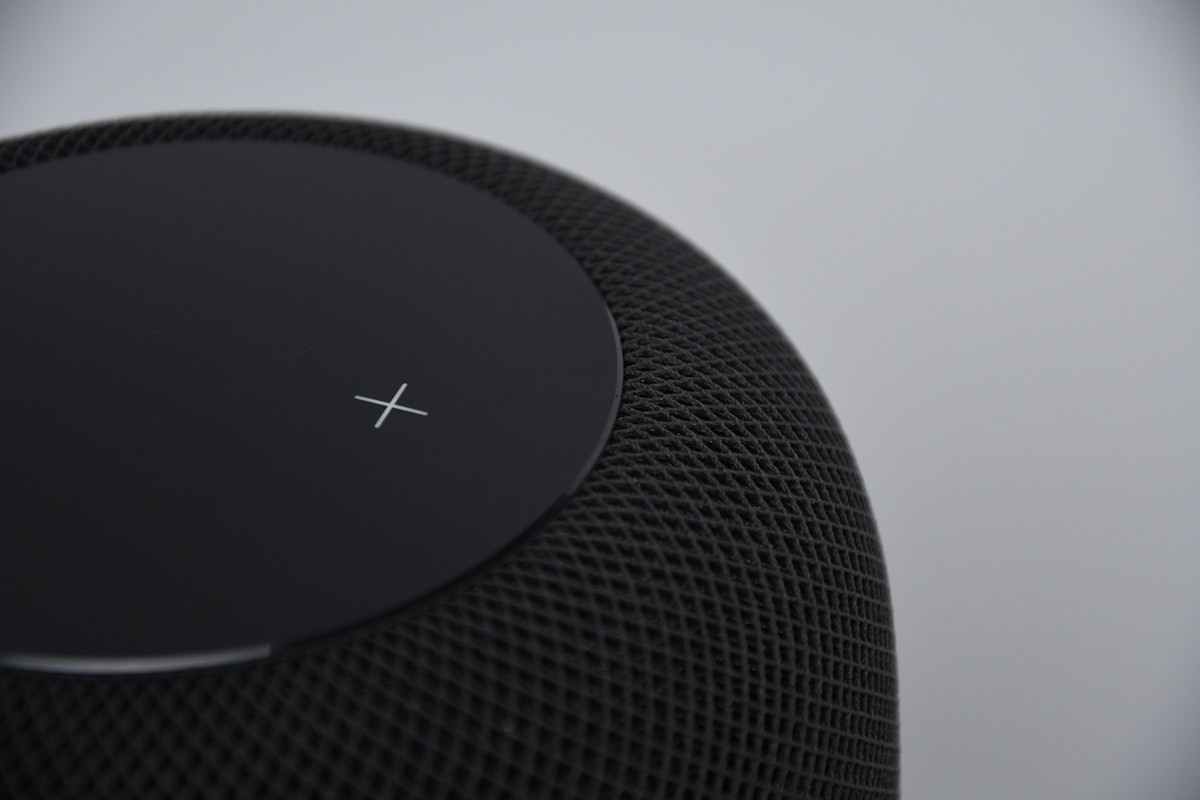
OpenAI's smart speaker is coming, and it's a real departure from the typical rectangle you'd see on a shelf. But this device doesn't just break the mold, it completely reshapes it with a distinct doughnut shape, and it's sized comparably to a hockey puck, so you'll hardly notice it until it speaks. That's the whole pitch. It's small, round, and ready to listen.
A New Form Factor
You're probably used to the standard flat or cylindrical smart speakers on the market. This upcoming hardware takes a different path. It's a doughnut-shaped body, compact and striking. But the real twist? Moving parts are tucked inside, though we can't yet say what they'll actually do,so expect a device that prizes its odd physical footprint over any conventional look. That's the gamble.
What Will It Cost
Pricing is always the first question for any new gadget enthusiast. It's a dealbreaker. But if you're planning to add this to your collection, you should prepare your budget accordingly, and we've got the numbers you need to plan ahead without any guesswork. Here's what we know about the expected cost.
- The device is expected to carry a price tag exceeding 300 dollars.
- The form factor is described as being the size of a hockey puck.
- The design is confirmed to be doughnut-shaped with moving parts.
Is It Worth The Investment
Real talk: dropping three hundred bucks on a speaker demands a crystal-clear value proposition. It sits in a premium tier for home audio gear, and you've got to weigh whether the specific design and internal tech actually fit your daily routine. Is the look worth the price jump? That depends on how you value the hardware and the intelligence inside. But here's the thing, it's a personal call, no wrong answer. So ask yourself what you're really buying, because at this price point, you can't just impulse-buy on vibes alone. It's a gut check, nothing more.
Looking Ahead
One detail's worth pausing on. This hardware is entering a crowded space, and while the design is striking, the success of the device will hinge on how well those moving parts perform in real-world scenarios, which is no small ask for any product trying to stand apart. We're waiting to see how the software interacts with such a specific physical build. Bold move. So it's a risky bet to launch a specialized piece of hardware in this category, especially when consumers already have plenty of options that don't demand such a narrow focus.
What is the risk of what I have never seen before?
Dr. Moritz Hanke, a fellow at the Johns Hopkins Center for Health Security, asked that question, and it reflects the deep uncertainty we can't shake with brand-new technology. But his comment zeroes in on AI-designed viruses specifically. The sentiment applies to any emerging product, though. When you buy something that deviates from the norm, you're stepping into unknown territory, and that's a gamble we don't always recognize until it's too late. It's a warning.
The Verdict For Buyers
So what does this mean for your next upgrade? If you're drawn to sleek, non-traditional design, this might catch your eye. But if you prefer standard, battle-tested hardware, you might want to wait for more details. Keep watching. Either way, keep an eye on how this device hits the shelves, because the market for high-end home devices is shifting, and this is a clear sign of that change we've all been sensing.
Frequently Asked Questions
What is the design and size of the upcoming smart speaker from OpenAI?
The speaker is described as having a doughnut-shaped body with a size comparable to a hockey puck. It includes moving parts that are tucked inside, though their function is not yet specified.
What is the expected price of OpenAI's smart speaker?
The device is expected to carry a price tag exceeding 300 dollars. This places it in a premium tier for home audio gear, requiring buyers to consider its value proposition.
According to the article, why might consumers be concerned about purchasing this new technology?
The article highlights a risk with brand-new technology, referencing Dr. Moritz Hanke's question about the risk of unseen dangers. It suggests that buying something deviating from the norm means stepping into unknown territory, which can be a gamble.
How does the article suggest buyers should decide if the speaker is worth the investment?
The article says it's a personal call, depending on how you value the design and internal tech fitting your daily routine. It advises that you shouldn't impulse-buy on vibes alone and should do a gut check on what you're really buying.
What does the article say about the speaker's success in the crowded market?
The article states that the success of the device will hinge on how well its moving parts perform in real-world scenarios. It also notes that launching specialized hardware in this category is a risky bet, especially when consumers already have many options.

Liam Fitzgerald reports on gadgets, apps and the companies behind them. He tests new products and cuts through the marketing to tell readers what is genuinely worth their attention.
💬 Comments (0)
No comments yet. Be the first!