Radeon RX 9070 GRE: Same $549, Less GPU
The Radeon RX 9070 GRE costs $549 but delivers 85% of the cores and 75% of the memory of the original RX 9070. Here's what buyers need to know before spending.
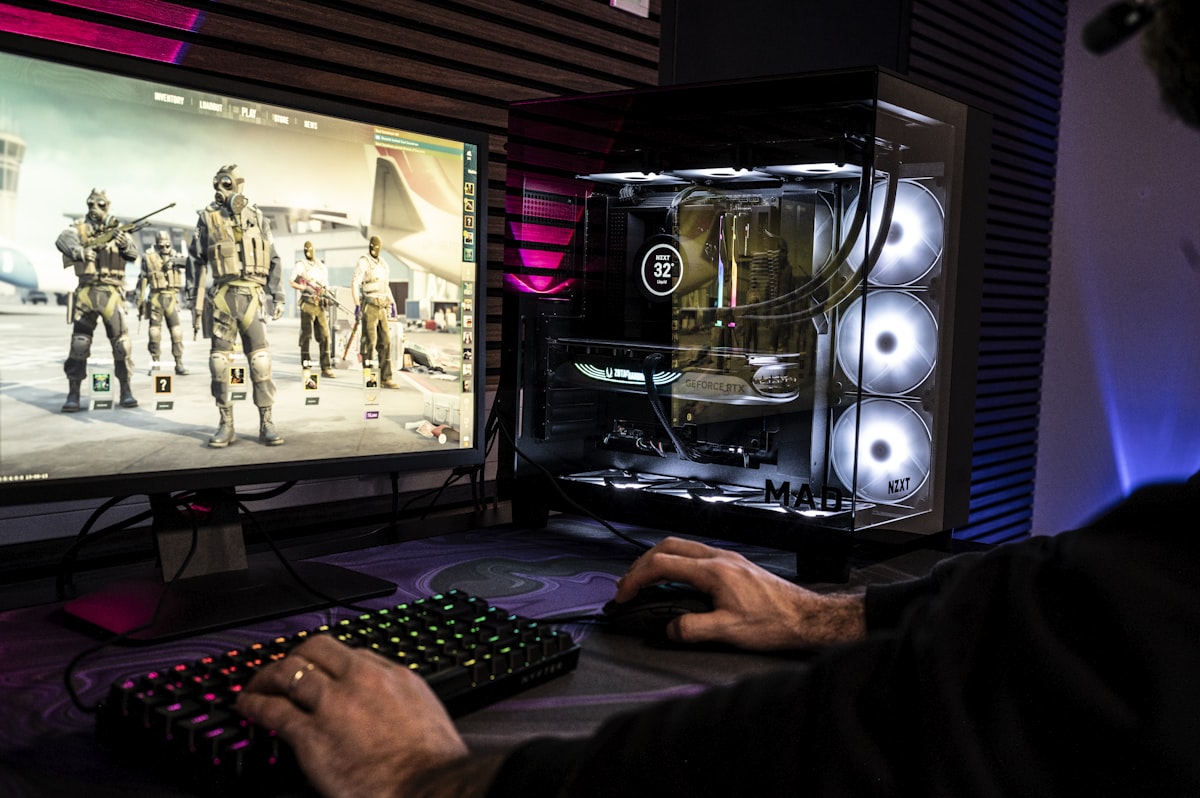
Radeon RX 9070 GRE just arrived at $549, the exact same launch price AMD put on the standard RX 9070 a year ago. A few years back I noticed my kid’s fruit snack pouches had shrunk from 0.9 ounces to 0.8 ounces. Same price, less product. Unboxing this card gave me that same sinking feeling. This is GPU shrinkflation, and you’re the one paying for it.
Same Price, Sharply Less Hardware
What They Cut
The GRE uses the same Navi 48 silicon as the rest of the 9070 family, but AMD took a scalpel to it. Fewer cores, narrower memory bus, less VRAM. It’s not a successor to anything specific, but the hardware lands closest to the old RX 7700 XT from 2023. Here’s the damage:
- 3,072 shader cores (down from 3,584 on the RX 9070, and 4,096 on the 9070 XT)
- 192-bit memory interface (down from 256-bit)
- 12GB of GDDR6 memory (down from 16GB)
- Only 66 percent of the regular 9070’s memory bandwidth
It’s hard not to be a little upset about such a clear example of GPU shrinkflation: the same money for a markedly inferior product.
What You’ll Actually Pay
That $549 MSRP needs context. Right now the cheapest RX 9070 cards sit between $600 and $640. The 9070 XT runs $700 to $740. Nvidia’s RTX 5070, originally $549, now goes for $630 to $650. The 16GB RX 9060 XT starts around $450, $100 over its original MSRP. So on paper the GRE looks like a “deal” next to inflated street pricing. Don’t be fooled.
How It Actually Runs Games
1440p: A Step Down Everywhere
I tested at 1440p with a Ryzen 7 9800X3D. The GRE consistently lands 10 to 20 percent slower than the standard RX 9070. It’s about 25 percent faster than the 16GB RX 9060 XT most of the time. But it can’t beat the RTX 5070 the way the regular 9070 does. With ray tracing off, it trails the 5070 by roughly 10 percent. Turn ray tracing on, and the gap widens to about 20 percent. In Black Myth: Wukong it’s even worse. The GRE is closer to an aging RTX 4070 Super, and sometimes that older card still wins.
4K and Ray Tracing: The 12GB Ceiling Hits Hard
At 4K 12GB frame buffer becomes a brick wall, so Cyberpunk's Overdrive RT and Wukong's Cinematic wouldn't even run on this card, and the Ultra RT preset struggled disproportionately compared to the 16GB RX 9070. You'll be leaning on FSR upscaling or dropping settings just to stay playable. The extra 4GB on the regular 9070 was a genuine reason to pick that card over an RTX 5070. The GRE throws it away.
12GB RAM will be a problem at 4K sometimes.
The Power Problem Nobody Talks About
Same Wattage, Less Work
This is where it gets irritating. The GRE pulls the same amount of power under load as the standard RX 9070. Fewer cores, higher boost clock, same power draw. Past a certain point, cranking clocks costs disproportionate watts for tiny speed gains. In Cyberpunk it looks like it draws less, but that’s because its lesser memory bandwidth caps it before it can fully stretch its legs. Efficiency is way off what the RX 9070 has been delivering for a year.
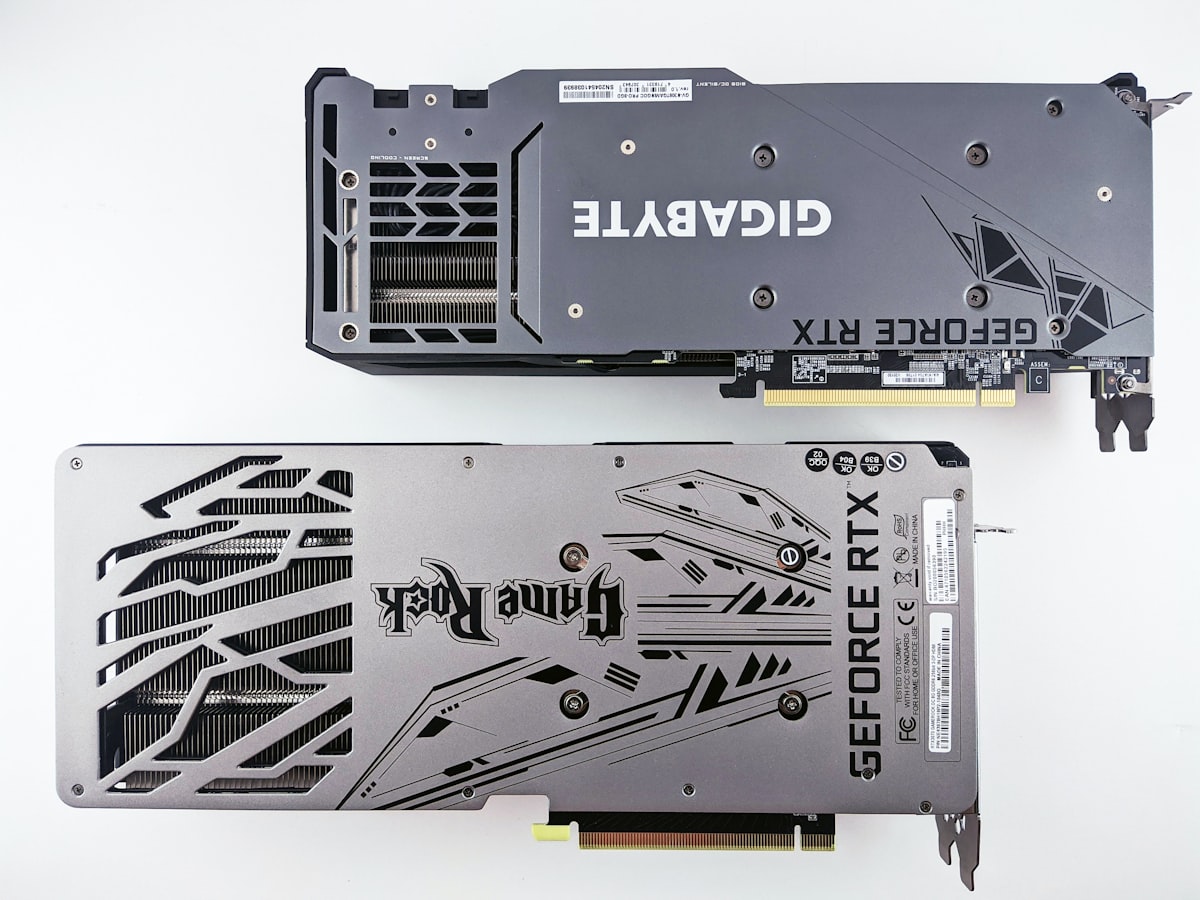
The most frustrating thing about the 9070 GRE is that it consumes the same amount of power as the RX 9070 under load.
The Verdict: Spend a Little More
Who Should Buy It (Almost Nobody)
If you’re already shelling out $549, find another $50 to $100. The vanilla RX 9070 at $600 to $640 gives you 16GB of memory, a whole lot more bandwidth, and a handful of extra cores. That card often matches or beats the RTX 5070. The GRE does not. The regular 9070 works as an entry-level 4K card. The GRE stumbles there. Both sip the same power. The GRE only makes sense if its price drops well below $549 and you’re sticking to 1440p, no ray tracing. Right now it’s filling a gap that didn’t need to be filled.
I’d skip this one.
The Quick Box Score
- The good: MSRP aligns with today’s inflated street prices; RDNA 4 brings FSR 4 upscaling with minimal penalty.
- The bad: Can’t beat the RTX 5070; 12GB VRAM hampers 4K; same power draw as the superior RX 9070.
- The ugly: Pure GPU shrinkflation.
I don't know where prices go from here, but if the GRE eventually tumbles well below $549 and you only care about 1440p, it's still quite a bit quicker than the 16GB RX 9060 XT. But today at these numbers you're better off saving a little longer and buying the real 9070, and your money won't go any further next month. At least your GPU will.
Frequently Asked Questions
What is the Radeon RX 9070 GRE and how does its hardware differ from the standard RX 9070?
The Radeon RX 9070 GRE uses the same Navi 48 silicon as the 9070 family but with fewer cores, a narrower memory bus, and less VRAM. It has 3,072 shader cores (down from 3,584), a 192-bit memory interface (down from 256-bit), and 12GB of GDDR6 memory (down from 16GB), offering only 66 percent of the regular 9070's memory bandwidth.
Why does the article describe the Radeon RX 9070 GRE as an example of 'GPU shrinkflation'?
The article calls it GPU shrinkflation because the GRE launches at the same $549 MSRP as the standard RX 9070 a year ago, yet it is a markedly inferior product with fewer cores, less VRAM, and lower memory bandwidth. This mirrors the example of fruit snack pouches shrinking in size while keeping the same price.
How does the Radeon RX 9070 GRE perform in games at 1440p and 4K?
At 1440p, the GRE is 10 to 20 percent slower than the standard RX 9070 and trails the RTX 5070 by about 10 percent with ray tracing off and 20 percent with ray tracing on. At 4K, the 12GB frame buffer becomes a brick wall, causing games like Cyberpunk's Overdrive RT and Wukong's Cinematic to not even run, and Ultra RT presets struggle disproportionately.
What power consumption issue does the article highlight about the Radeon RX 9070 GRE?
The article notes that the GRE pulls the same amount of power under load as the standard RX 9070, despite having fewer cores. This makes its efficiency much worse, because it consumes equal wattage for lower performance, and in some cases the power draw appears lower only because its lesser memory bandwidth caps performance.
Who does the article recommend should consider buying the Radeon RX 9070 GRE?
The article says the GRE only makes sense if its price drops well below $549 and you are sticking to 1440p with no ray tracing. Otherwise, the author advises spending a little more ($50 to $100) for the vanilla RX 9070, which offers 16GB memory, more bandwidth, and often matches or beats the RTX 5070. The GRE is described as filling a gap that didn't need to be filled.

Liam Fitzgerald reports on gadgets, apps and the companies behind them. He tests new products and cuts through the marketing to tell readers what is genuinely worth their attention.
💬 Comments (0)
No comments yet. Be the first!