Project Solara: Agent OS Reality Check
Microsoft's Project Solara is a conceptual Android OS built for AI agents instead of apps, with interfaces that generate on the fly. No gadgets to buy yet—here's the reality check.
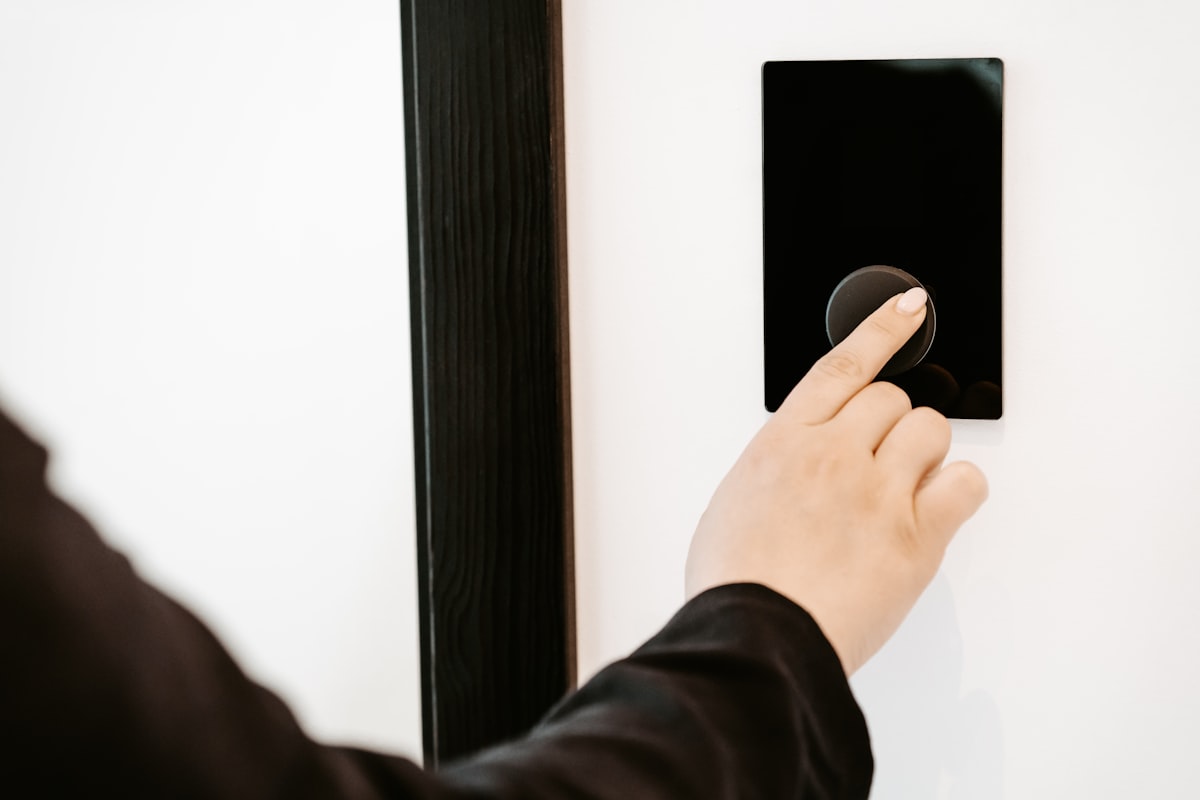
Project Solara is Microsoft's latest swing at a future without apps. Revealed at Build 2026, this new operating system runs on Android's open source foundation but has a radical twist. It is built for AI agents, not the apps you tap every day.
What Just Dropped at Build 2026
Microsoft is going all-in on a world where you do not open apps. You talk to agents instead. The company calls this Project Solara, and it is a chip-to-cloud platform built to free AI agents from being stuck inside a single device or screen.
The underlying OS is called the Microsoft Device Ecosystem Platform. It is based on the Android Open Source Project, but it is not a licensed version of Android. That means no Play Store. No standard app drawer. Instead, it has a shell designed to talk to multiple AI agents at once.
The Basic Specs
- Based on AOSP (Android Open Source Project)
- Core OS called Microsoft Device Ecosystem Platform
- Built around "just-in-time UI" that agents generate on the fly
- Includes Microsoft enterprise technologies baked in
- Runs on concept hardware only; no retail devices exist
"Solara is a chip-to-cloud platform intended to free agents from reliance on single interfaces."
Two Concepts, Zero Products
Microsoft showed off two pieces of concept hardware to illustrate where Project Solara could go. You cannot buy either one. They are demo units, meant to spark interest among industry partners.
Desk Concept
This one looks like a smart display you would put on your desk. It has a touchscreen, microphones, and a camera.
While you work, it keeps tabs on what your AI agents are doing in the background. It can double as a secondary monitor or become a full Windows PC through Windows 365 cloud computing. The internals run on MediaTek IoT chips.
Badge Concept
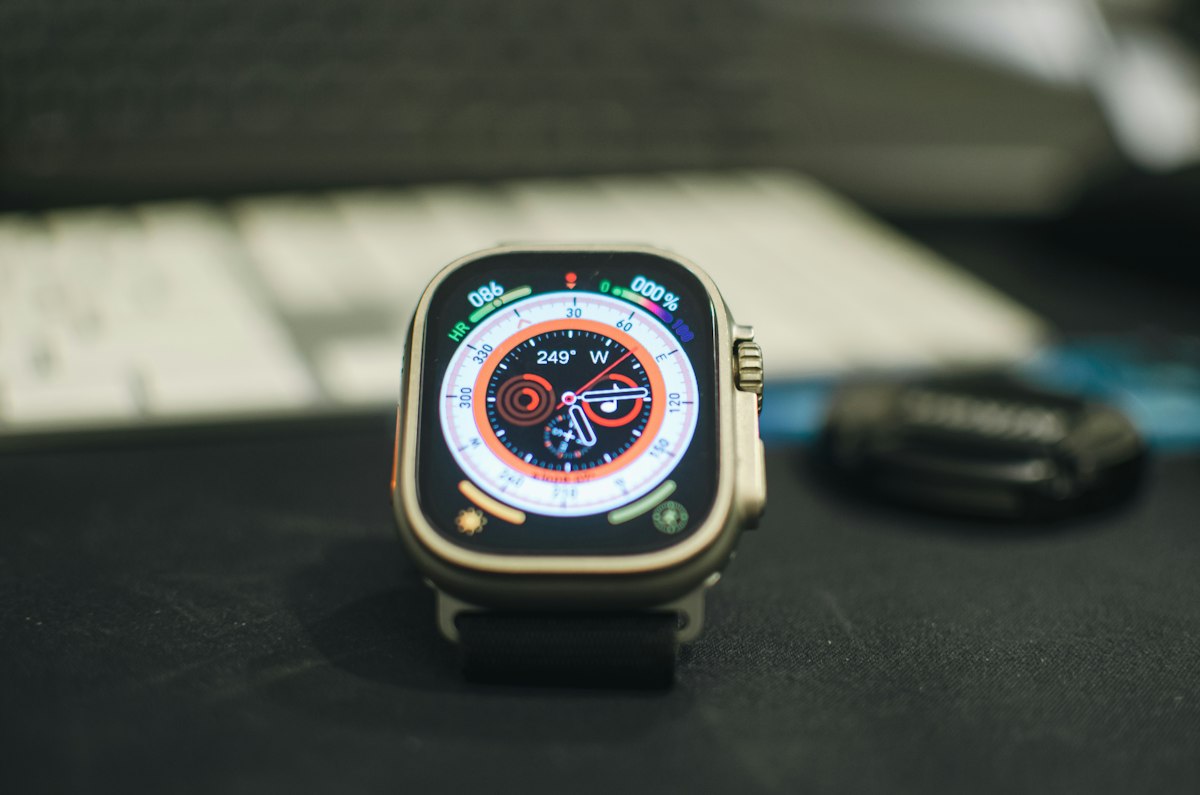
This one is weirder. Picture your work badge hanging from a lanyard, but it now has a touchscreen, 5G connectivity, a camera, microphones, and a fingerprint scanner.
Microsoft envisions this Qualcomm-based gadget giving you biometric-authenticated access to your agents. Tap the sensor and start talking to your personal AI. It could record meetings, summarize conversations, and use the camera to, as Microsoft puts it, "take action on the environment." Whatever that means.
"Take action on the environment."
The Just-in-Time UI Pitch
Here is the core idea behind Project Solara. Instead of designers manually building interfaces for every screen size, AI agents would generate the right interface in the moment.
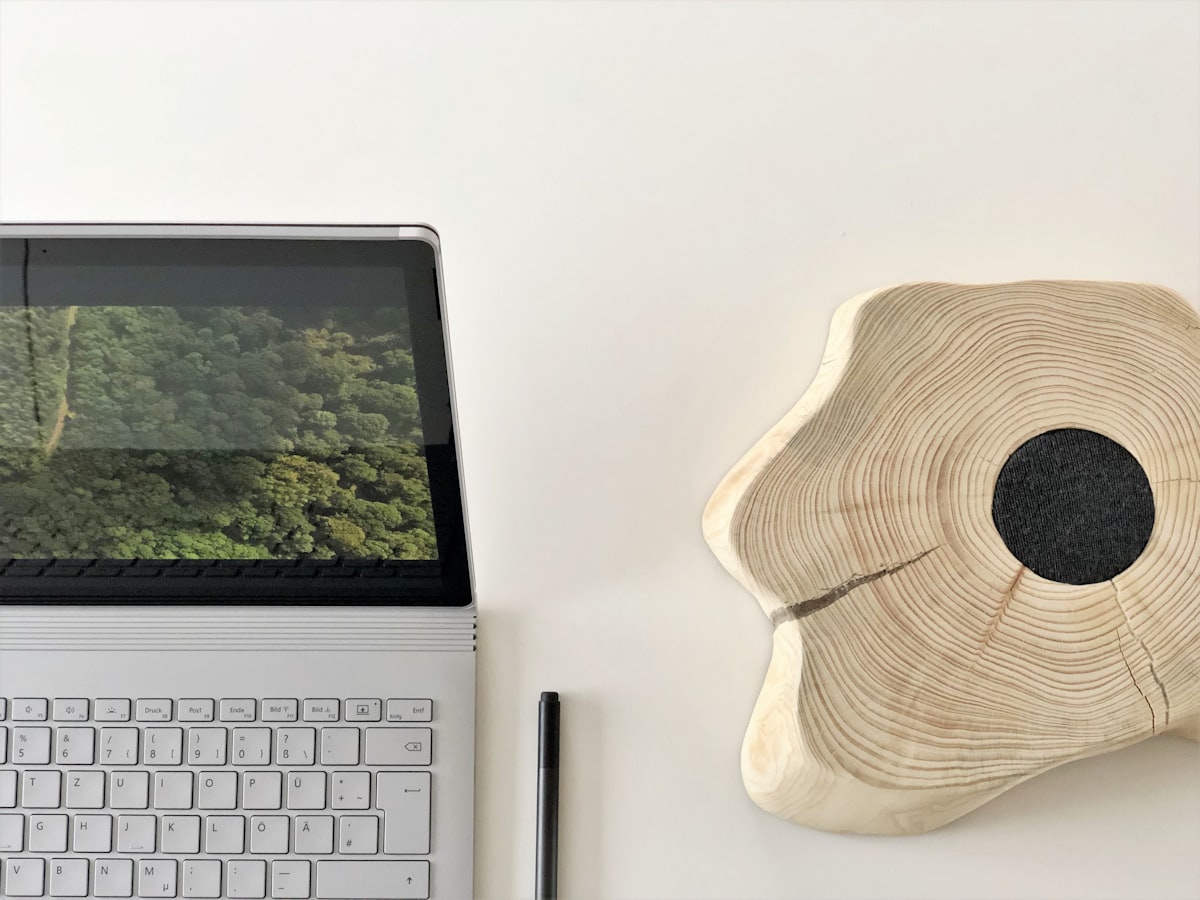
Your work badge might show only one or two functions, keeping things minimal. The same service on a large smart display would pull up more data and richer controls. It adapts to context automatically. Or at least, that is the pitch.
What Actually Works Right Now
Let me be blunt. None of it works. Microsoft is refreshingly clear about this. Project Solara is a concept, not a product.
Agents don't exist. The company says it's committed to spending money on this as part of its larger AI expansion, but the agents that would power this whole thing don't exist in the way the vision requires.
AccuWeather, Best Buy, CVS Health, Levi's, and Target are lined up as the first demo partners.
- AccuWeather
- Best Buy
- CVS Health
- Levi's
- Target
Microsoft plans to show these companies what agent-first devices could look like. That is the next step. Demos, not sales.
Microsoft has tried and failed to crack mobile computing before. Multiple times. The shift from desktop to mobile tripped the company up badly. Apps were scarce. Security lagged. Long-term support faltered. With its OpenAI partnership now sputtering, Project Solara is the next roll of the dice.
Google is watching. At its own I/O conference, the company previewed agent-first search tools that build dashboards and mini-apps based on your queries. The industry appears to be converging on this idea, even if the technology is not ready yet.
The Bottom Line
Project Solara is a fascinating vision with no working product behind it. You cannot buy it. You cannot test it. You cannot even sign up for a waitlist.
Watch this space. But see if Microsoft finally catches a break via AI agents that don't exist yet, and if it ships hope it doesn't leave us with a new generation of touchscreen millstones hanging from our necks.
Frequently Asked Questions
What is Project Solara?
Project Solara is Microsoft's new operating system revealed at Build 2026, built on Android's open source foundation but designed for AI agents instead of apps. It is a chip-to-cloud platform intended to free agents from reliance on single interfaces.
What are the two concept hardware devices shown for Project Solara?
Microsoft showed a desk concept that looks like a smart display with a touchscreen, microphones, and a camera, and a badge concept that is a work badge with a touchscreen, 5G, a camera, microphones, and a fingerprint scanner. Both are demo units meant to spark industry interest and are not available for purchase.
What is the 'just-in-time UI' pitch for Project Solara?
The just-in-time UI idea is that AI agents would generate the right interface on the fly for every screen size, rather than designers manually building interfaces. For example, a work badge would show only minimal functions while a large smart display would pull up richer controls, adapting to context automatically.
Why does the article say Project Solara is not a working product yet?
The article states that none of it works; Project Solara is a concept, not a product. The AI agents that would power the system do not exist in the way the vision requires, and the company only plans demos, not sales.
Which companies are listed as the first demo partners for Project Solara?
The first demo partners listed are AccuWeather, Best Buy, CVS Health, Levi's, and Target. Microsoft plans to show these companies what agent-first devices could look like.

Markus Heill writes about technology and the tools we use every day, from smartphones to the services that run in the background. He is interested in how good design makes technology easier to live with.
💬 Comments (0)
No comments yet. Be the first!