I Tried the Laduora Duo 4-in-1 for Hair Growth
I tested the Laduora Duo 4-in-1 red-light hairbrush to see if the microcurrents and serum pods could fix my dry hair.
Thin, dry hair that grows slowly and suffers from frequent breakage is a common frustration. The Laduora Duo 4-in-1 Red Light Therapy Scalp and Hair Care Device offers an alternative approach to scalp care, repackaging technologies often found in larger clinical wearables into a familiar brush design. It's handheld. But while many people turn to cumbersome helmet-style laser devices or standard topical treatments, this unit combines multiple hair stimulation techniques into a single, five-minute daily routine. The goal is simple. It's to cultivate a healthier scalp environment to support new hair growth, using a mix of light, current, vibration, and warmth.
But there's a catch. The device relies on a system of specialized serum pods that insert directly into the brush head, and while these pods help smooth flyaways and add shine, they also add a recurring cost to the routine and can leave certain hair types looking slightly greasy. Testing the device reveals both the practical benefits of this compact setup and the physical limitations of its rigid design. It's not perfect.
Anatomy of the handheld hair system
The Laduora Duo 4-in-1 looks like a high-tech hairbrush, with a single button on its handle that controls power and lets you cycle through three operating modes: Gentle, Balance, and Boost. But those bristles are hard. So each setting increases the overall intensity of the vibrations delivered through the brush head, and those vibrations pass through short, rounded metal nib bristles that don't bend or move. They can easily snag and pull on tangled hair. It's a design flaw.
Here is how the physical hardware is configured:
- Charging and battery: The device plugs in via a USB cable, requiring about four hours to reach a full charge, which then provides 60 minutes of total run time.
- Session timing: Each session is timed for five minutes, after which the device automatically powers off. A single charge lasts for about 12 sessions.
- The serum chamber: A center hole in the brush head accommodates a replaceable serum pod, which dispenses the liquid through the tips of the brush bristles during use.
- Thermal output: During operation, the brush warms up to 108 degrees Fahrenheit to help open up the scalp and assist with serum absorption.
Using the device requires mostly clean hair , it can be either dry or damp, but for the full effect you must keep the hard metal teeth in constant contact with your scalp. That's important. So move the brush from front to back, side to side, or in small circular patterns across the target areas to get the right result.
Understanding the active serum formulas
The system works with three distinct pod formulas. It's designed to pair with the right one based on your specific hair goals, so you can target thinning with Boost or restore pH with Balance's blend of rose, raspberry seed, argan, and castor oils. Awaken soothes scalp irritation. That's where peppermint, tea tree oil, and aloe extract come in, creating a cooling sensation that's hard to beat. But each two-pack of pods costs $30 and lasts about nine sessions, meaning regular users will need to purchase replacements every two to three weeks directly from the manufacturer.
How the four technologies interact
But here's where it gets really interesting. The Laduora Duo 4-in-1 combines red-light therapy, microcurrents, sonic vibration, and therapeutic warmth simultaneously. That's a lot of power at once. The red-light therapy portion uses 30 medical-grade LEDs operating at a wavelength of 660 nanometers, a specific frequency chosen because it penetrates the outer layers of skin to reach the root of the hair follicle, where it can stimulate cellular repair and activity. It doesn't waste time.
The American Hair Loss Association states that light wavelengths in the 630 to 680 nanometer range are ideal for increasing blood flow to the scalp, boosting cellular activity, and helping reduce inflammation.
The red light works silently. But the physical sensations of warmth and vibration are much more immediate, as the 108-degree heat increases local blood flow while the rapid vibrations of the metal bristles mimic a manual scalp massage to help relieve tension. The microcurrents, operating at 330 to 400 microamperes, work alongside the heat to stimulate the follicles, and in practice they produce a low vibration that feels almost identical to the sonic vibrations. It's hard to distinguish them as a separate sensation.
Daily testing and physical hair management
Molly Higgins tested the device. She found that integrating the five-minute daily sessions into a beauty routine was simple and felt like less of a chore than wearing a bulky, helmet-style light device, and the warming sensation paired with the vibration's tingling provided a relaxing, massage-like experience. But the rigid metal bristles were a problem, presenting a physical challenge for fine, easily tangled hair.
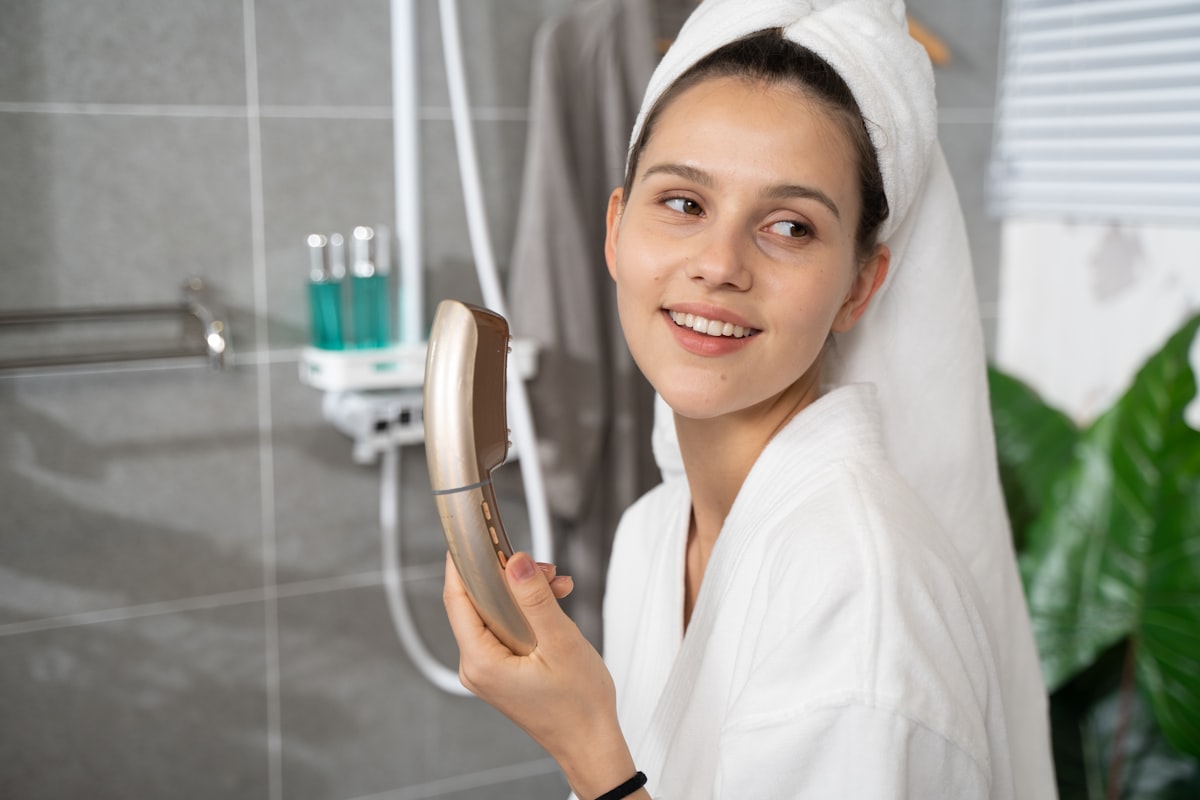
The bristles don't bend. So if you don't untangle your hair beforehand, those hard metal nibs can snag and rip out fine hair, causing unnecessary pain and breakage. To avoid this, it's helpful to run a standard brush with flexible teeth through your hair before starting the treatment session. This extra step prevents snags. It allows for a smooth and comfortable scalp massage.
Short-term serum effects and long-term changes
The immediate cosmetic effects depend entirely on the serum pods. But there's a catch. Using the brush with a pod makes hair look shinier and smoother after just one use, helping to tame flyaways, even though the oils can make the roots look slightly greasy, contrary to the manufacturer's claims. When the pods run out and the device is used dry, the smoothing and shine-enhancing effects on flyaways disappear. The warmth and tingling remain.
Six weeks of observation and results
Six weeks of consistent daily use revealed clear changes in scalp health and localized hair fullness. But it didn't accelerate the actual growth speed of the hair, which continued to grow at its normal slow pace. New baby hairs began to sprout along the hairline and at the crown of the head, and the areas near the temples looked noticeably fuller when the hair was pulled back into an updo. That's a big shift.
The scalp felt cleaner. There was a noticeable reduction in itchiness, dandruff, and general buildup, thanks to the mechanical action of the hard bristles combined with the warming technology and microcurrents that revitalized areas normally neglected during standard grooming routines. But this handheld system offers a practical, massage-focused compromise.
Frequently Asked Questions
What technologies does the Laduora Duo 4-in-1 combine for hair growth?
The Laduora Duo 4-in-1 combines red-light therapy, microcurrents, sonic vibration, and therapeutic warmth simultaneously. The red-light therapy uses 30 medical-grade LEDs at 660 nanometers to stimulate cellular repair, while microcurrents operate at 330 to 400 microamperes to stimulate follicles.
Why does the article mention that the bristles can snag hair?
The bristles are short, rounded metal nibs that are rigid and do not bend or move. This design flaw means they can easily snag and pull on tangled hair, potentially causing unnecessary pain and breakage, especially for fine hair.
How often do users need to replace the serum pods, and what is the cost?
Each two-pack of pods costs $30 and lasts about nine sessions. Regular users will need to purchase replacements every two to three weeks directly from the manufacturer.
What were the results after six weeks of daily use according to the article?
After six weeks, new baby hairs began to sprout along the hairline and crown, and the temples looked fuller when hair was pulled back. The scalp felt cleaner with reduced itchiness and dandruff, though hair growth speed did not accelerate.
Who tested the device, and what was their experience with the bristles?
Molly Higgins tested the device and found the rigid metal bristles were a problem for fine, easily tangled hair. She noted that if hair is not untangled beforehand, the bristles can snag and rip out fine hair, so she recommends running a standard brush through hair first.

Liam Fitzgerald reports on gadgets, apps and the companies behind them. He tests new products and cuts through the marketing to tell readers what is genuinely worth their attention.
💬 Comments (0)
No comments yet. Be the first!