Inside Adidas' Strategic Bet on Trionda Physics
Adidas continues to refine soccer ball aerodynamics with its four-panel Trionda design, prioritizing flight stability over distance.
Trionda physics reveal a shift in ball design
Trionda is the newest design in world-class soccer gear. But it's not just about looks. This model uses four red, green, and blue panels, each textured with deep grooves and star, maple leaf, and eagle emblems that nod to the multiple nations hosting this month's tournament. The visual identity is tied to those host countries. However, the internal engineering is a clear departure from older, stitched designs, so they've already moved on from what came before.
Engineering for predictable flight
For decades, manufacturers relied on a standard construction of 32 pentagonal panels. That ended in 2006. A transition to thermally bonded panels began instead, reducing water absorption and ensuring the ball maintained a consistent weight throughout a long match. But modern development focuses heavily on surface texture to manage air resistance, and John Eric Goff, a researcher who studies sports physics, notes the importance of these physical characteristics. It's clear they can't be ignored.
The simple picture is that Trionda may very slightly punish extreme distance, but it should reward clean technique and predictable flight. Goalkeepers, defenders hitting long passes, and long-range shooters are where I would look first for visible differences.
The drag crisis and surface texture
Physics dictates how a sphere moves through the air, particularly regarding the drag coefficient. But it's not that simple. A smoother surface often suffers from a sudden change in performance, known as the drag crisis, which occurs at higher speeds, so engineers add grooves and seams to force this transition to happen at lower speeds, and this adjustment helps the ball remain stable during typical play. The design evolution has been constant since the 2010 tournament, moving from eight panels toward the current four panel configuration.
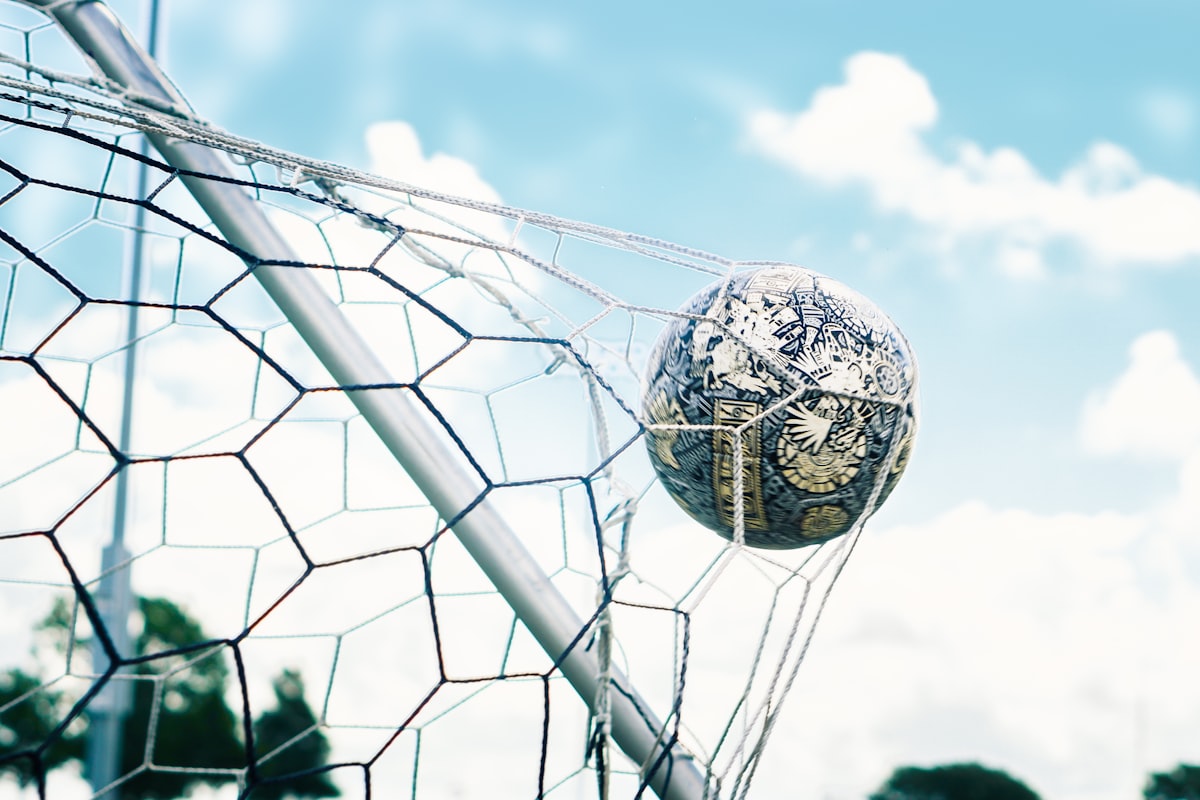
Comparing recent design iterations
- 2010 Jabulani: Eight panels, smooth texture, known for unpredictable flight paths.
- 2014 Brazuca: Six panels, increased total seam length for better surface roughness.
- Current Trionda: Four panels, three deep grooves per panel for added texture.
Understanding the trade-off in distance
This move sits within a broader pattern of prioritizing control over raw speed. But there's a trade-off. While the added grooves successfully delay the drag crisis, they also influence the overall drag coefficient at high speeds, which means the ball faces more resistance when moving quickly because the surface is rougher. That changes the game. This results in a shorter trajectory for long-distance kicks compared to previous versions, so players will need to adjust their technique to account for this slight loss in maximum range.
The future of tournament equipment
The testing process is getting brutal. It's a long, grueling development cycle that reportedly spanned 3.5 years and included heavy use of robotics to analyze flight patterns at specific speeds. But the focus remains on how these physical changes alter the experience for goalkeepers and long-range shooters alike. That's the real test. Participants will soon gain practical experience with these aerodynamic nuances as the tournament begins, and athletes familiar with similar high-performance equipment may find an advantage in adapting to the new flight characteristics.
Frequently Asked Questions
What is the Trionda ball's design inspired by?
The Trionda uses four red, green, and blue panels with deep grooves and star, maple leaf, and eagle emblems that nod to the multiple nations hosting the tournament. Its visual identity is tied to those host countries.
Why did manufacturers move away from 32-panel stitched designs?
Manufacturers transitioned to thermally bonded panels to reduce water absorption and ensure consistent weight throughout a match. This shift began in 2006, ending the standard 32-pentagonal-panel construction.
How does the Trionda's surface texture affect ball flight?
The deep grooves and seams on the Trionda force the drag crisis to occur at lower speeds, helping the ball remain stable during typical play. However, the rougher surface also increases drag at high speeds, slightly reducing maximum range compared to previous versions.
How long did the development cycle for the Trionda ball reportedly take?
The testing process reportedly spanned 3.5 years and included heavy use of robotics to analyze flight patterns at specific speeds. This long, grueling cycle focused on how physical changes alter the experience for goalkeepers and long-range shooters.
Who might notice visible differences when using the Trionda ball?
The article states that goalkeepers, defenders hitting long passes, and long-range shooters are where one would look first for visible differences. The ball may slightly punish extreme distance but should reward clean technique and predictable flight.

Chloe Dupont covers consumer technology, from the latest devices to the software shaping daily life. She focuses on how new tools fit into the real world and whether they live up to the promise.
💬 Comments (0)
No comments yet. Be the first!