GM Installs GM Factory Zero Robots Amid Layoffs
GM Factory Zero robot installation continues while 1,300 workers remain laid off, sparking significant UAW union pushback.
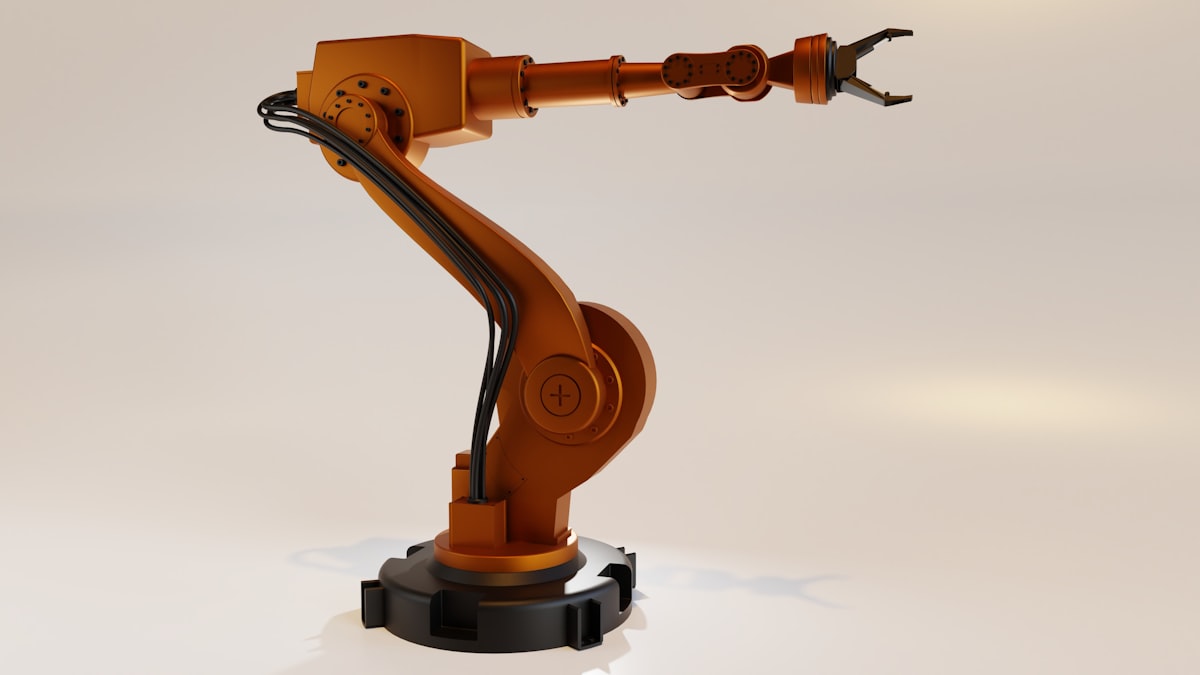
GM Factory Zero robots arrive as layoffs continue
Robots are now being installed at GM Factory Zero. But 1,300 workers remain out of work at the flagship Detroit facility, a move that signals a shift in production strategy while the company pursues automation and organized labor focuses on the human cost. It's a flashpoint.
General Motors has installed roughly 50 robotic arms at the plant. These machines are from the Japanese firm FANUC. They attach various vehicle components during the assembly process, and this hardware deployment comes during a period of ongoing job insecurity for thousands of former employees.
The human impact of industrial automation
Union representatives have sharply criticized the decision to bring in new machinery. Many workers were part of temporary layoffs starting in March, yet they have not been recalled to their posts. But James Cotton, who serves as the president of UAW Local 22, highlighted the gap between the company's choices and the needs of his members. It's a disconnect.
He said that the company could bring some of those members back to work instead of installing the 50 robots.
This follows a prior wave of permanent layoffs that affected 1,200 workers at the same location back in October 2025. It feels personal. For those who lost their jobs, the logic behind the investment just doesn't add up, and Andrew Bergman, a union organizer who was among the staff laid off by the company, expressed his frustration with the direction of the automotive industry.
Bergman stated that corporate leaders prioritize profits over the people who build the cars. He argued that technology should make jobs safer and allow for a shorter work week without pay cuts, but instead he sees it being used to pad financial gains while leaving workers behind. So there's one detail worth pausing on. The tension between corporate goals and labor stability is reaching a breaking point.
Global trends in the dark factory
It's a global shift, not just one company's project. East Asia has embraced the dark factory concept, where production lines hum along with only minimal human presence needed to oversee things. But FANUC, the very same company that supplied the robotic arms for that Detroit site, has operated a lights-out facility since 2001. Others are now following suit.
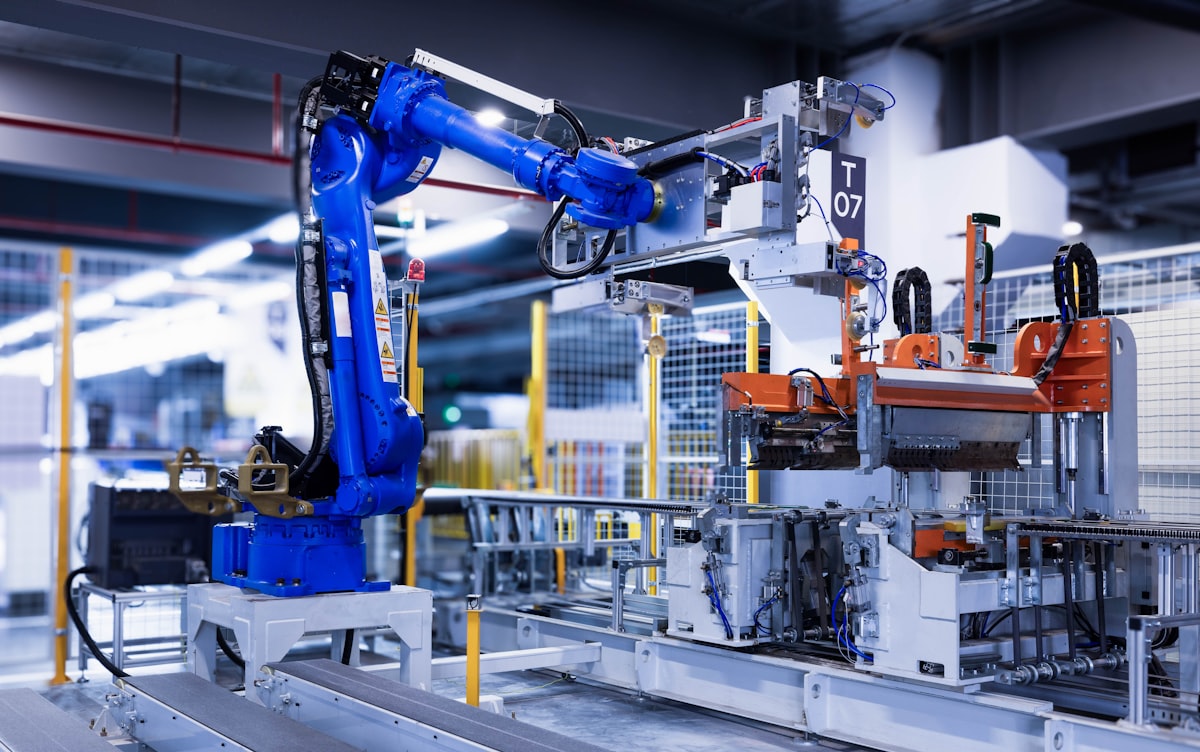
Automakers are exploring advanced robotics for various reasons:
- The Chinese brand Jetour operates a facility in Fuzhou that focuses on SUV production.
- The luxury EV maker Zeekr maintains a site in Ningbo City capable of producing 300,000 cars annually.
- The smartphone company Xiaomi utilizes over 700 robots at its EV Hyperfactory in Beijing.
- That same facility in Beijing is designed to produce a new electric vehicle every 76 seconds.
These numbers tell a different story. By 2024, the Chinese manufacturing industry had deployed 2 million industrial robots and added 295,000 in that single year, a staggering pace that dwarfs other nations. But the United States saw the installation of just 34,200 units during the same timeframe. Japan installed 44,500 robots. It's clear the scale of competition isn't what you might think.
Risks in the automated assembly line
Vulnerabilities of the lights out model
Moving toward fully automated systems carries hidden dangers. Specialists point out that humans often excel at identifying issues that robots might miss until a line is completely stalled, and that's a serious problem. A small problem can spiral into a massive failure when no one is there to intervene. But cybersecurity also poses a major challenge for facilities that depend on complex, internet-connected systems to manage their workforce. It's a real risk.
Conflicting visions of the future
The debate over the role of machines in the workforce is intensifying, and it's a fight for the future that pits two very different visions against each other. But the messages couldn't be more different. During a week of gatherings in Detroit, startup founders argued that robotics could empower the industrial base through superhuman output, while union leadership warned that mass automation threatens wages and employment at a time when wealth inequality is growing. They're not backing down.
The path forward remains uncertain for the workers at the Detroit site, as automakers face pressure to lower labor costs and increase capacity to stay competitive while global EV adoption changes at a rapid pace. But recent shifts in domestic policy have caused some companies to retreat from EV production. It's complicated. Whether these machines will eventually replace the human workforce entirely, or if a balance can be struck, is a question that remains unanswered.
Frequently Asked Questions
What are the GM Factory Zero robots and what do they do?
The GM Factory Zero robots are roughly 50 robotic arms from the Japanese firm FANUC that have been installed at the Detroit facility. They attach various vehicle components during the assembly process.
Why have union representatives criticized the installation of these robots?
Union representatives criticized the decision because 1,300 workers remain out of work, and they believe the company could bring some of those members back instead of installing the robots. James Cotton, president of UAW Local 22, highlighted this disconnect between the company's choices and workers' needs.
How does the installation of GM Factory Zero robots relate to prior layoffs?
The robot installation follows a prior wave of permanent layoffs that affected 1,200 workers at the same location in October 2025. The ongoing job insecurity, including temporary layoffs starting in March, contrasts with the company's investment in automation.
When were the GM Factory Zero robots installed and what was the context regarding workers?
The robots were installed at a time when 1,300 workers remained out of work at the flagship Detroit facility. This move signals a shift in production strategy while the company pursues automation and organized labor focuses on the human cost.
Who expressed frustration about the direction of the automotive industry regarding the robots?
Andrew Bergman, a union organizer who was among the staff laid off by the company, expressed frustration. He stated that corporate leaders prioritize profits over the people who build the cars and that technology should make jobs safer without pay cuts.

Markus Heill writes about technology and the tools we use every day, from smartphones to the services that run in the background. He is interested in how good design makes technology easier to live with.
💬 Comments (0)
No comments yet. Be the first!