Elon Musk's APR Energy Buy Powers Grok Strategy
Elon Musk's acquisition of APR Energy signals a strategic move to secure power infrastructure for AI data centers supporting Grok.
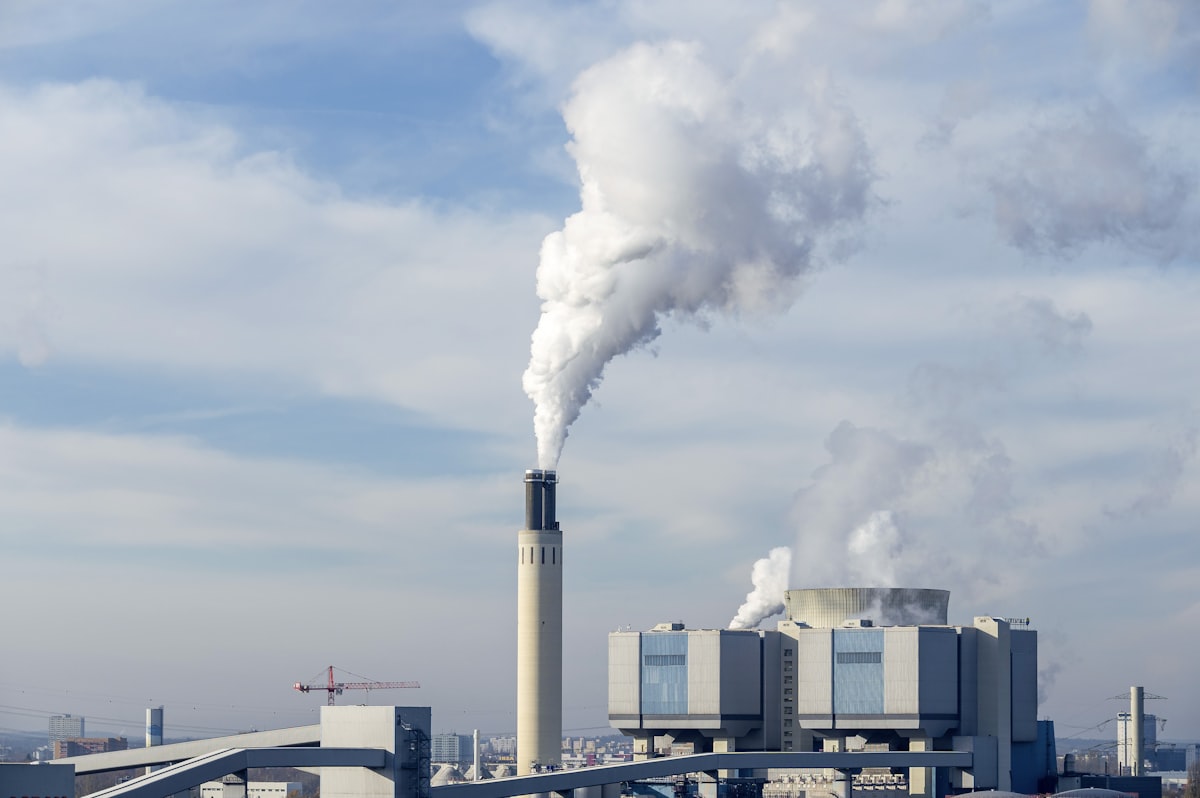
APR Energy is now a key part of Elon Musk’s silicon infrastructure strategy. It’s a bold play. This move sits within a broader pattern of artificial intelligence developers securing physical power assets to keep pace with escalating compute requirements, and the acquisition of the fossil fuel company, which was completed in May, was revealed through a Federal Trade Commission filing. But the deeper question is positioning, particularly as the industry transitions from optimizing algorithms to securing raw physical resources. By absorbing a specialist in gas turbines, the move targets the immediate energy bottlenecks that threaten the deployment of large-scale computing clusters.
Strip away the marketing. The calculation is straightforward. Building and training advanced models requires an unprecedented amount of electricity, often exceeding what local grids can reliably supply, so this acquisition represents a direct vertical integration strategy. By owning the power generation hardware, a technology firm can bypass the multi-year queues for utility connections that currently stall data center expansions. It represents a shift from software-defined advantages to physical-infrastructure advantages, where ownership of the energy supply chain becomes a primary differentiator.
The Strategic Shift
Look at the wider sector. This acquisition signals that AI's bottleneck has shifted from silicon availability to power availability, since for several quarters the primary constraint for large language models was graphics processor supply, but now the constraint is the wattage required to run them. Acquiring APR Energy allows rapid deployment of mobile gas turbines directly at data center sites, offering a tactical solution to grid congestion. So physical infrastructure ownership is now a requirement for organizations aiming to operate frontier-level models.
The acquisition of a gas turbine specialist highlights a growing tension in the technology sector between rapid computational scaling and environmental goals. Gas turbines run on fossil fuels. That's a stark contrast to broader corporate commitments toward renewable energy. But from a competitive standpoint, the immediate need for continuous power appears to outweigh long-term sustainability targets when grid capacity cannot keep pace with the deployment of high-density server racks. Temporary or dedicated fossil-fuel generation becomes the path of least resistance for operators who can't afford system downtime.
Powering the Compute Layer
Gas turbines fit computing's needs perfectly. They can be deployed rapidly and scaled up to meet peak loads, serving as either primary power sources or reliable backup systems, which is critical for maintaining the uptime of clusters dedicated to continuous model training and inference. So tech companies now see themselves as energy developers. They manage their own generation, transmission, and distribution to insulate operations from municipal grid failures.
Reading the Competitive Stance
This move places the organization in a unique position relative to its peers. But it's direct ownership of the generation assets rather than a power purchase agreement with a third-party utility provider, and that's a highly capital-intensive approach prioritizing control over flexibility. It can't be done without deep pockets. By controlling the turbine technology directly, the company can deploy power generation assets globally, matching the physical footprint of its computing clusters without waiting for local regulatory approvals or grid upgrades.
Direct ownership of fossil-fuel generation assets exposes a technology firm to volatile fuel prices and tightening environmental regulations, but it's a calculated risk. They assume the value of rapid model deployment must exceed the potential regulatory and financial penalties of operating gas-fired power plants. So the acquisition is less about diversifying into the energy sector and more about de-risking the core computing roadmap by any means necessary. That's the bet.
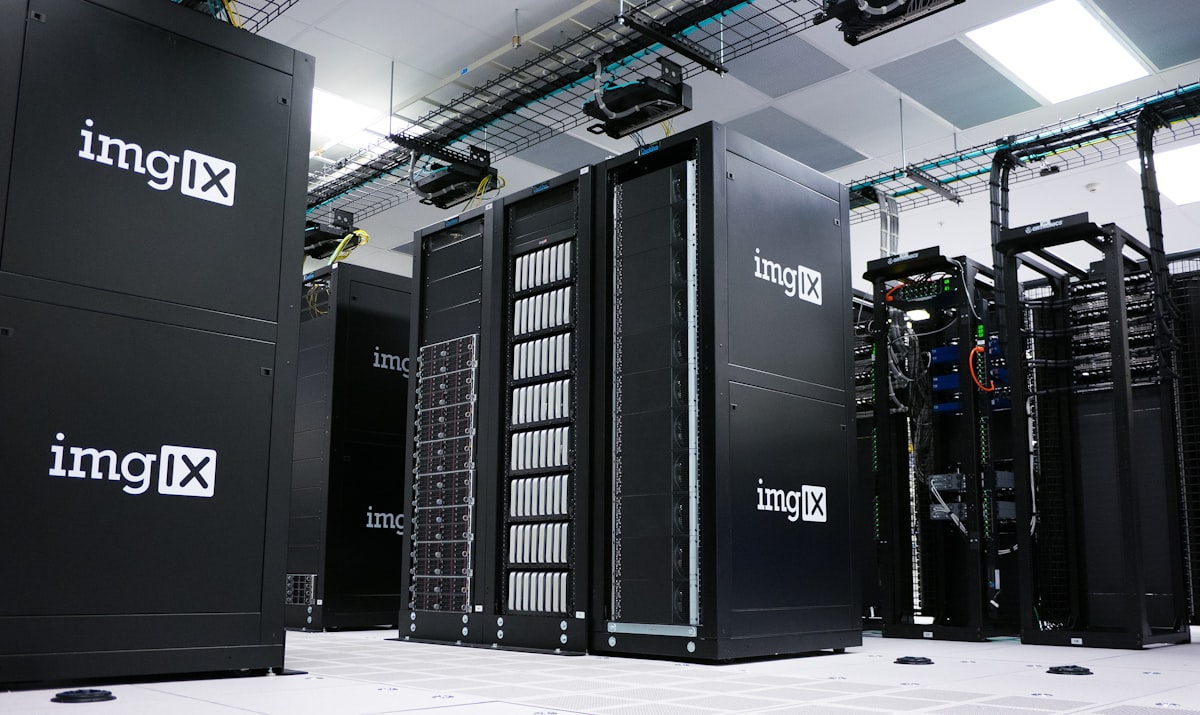
The most likely application will be powering AI data centers, addressing the immediate and massive electricity demands of running next-generation models like Grok.
Positioning Against the Sector
Read alongside recent announcements, the picture clarifies. The technology industry is bifurcating into companies that rely on public cloud providers and those that build their own physical stack from the ground up. This transaction firmly places the company in the latter camp. Owning the power generation layer provides a level of operational independence that is difficult for competitors to replicate, particularly during a period of global energy constraints. It changes the competitive dynamic from a battle of software optimization to a battle of physical scale and resource acquisition.
This strategy reflects a broader trend. Technology firms are forced to solve fundamental utility challenges as the rapid growth of data centers stretches municipal infrastructure to its limits, leading to regulatory pushback in several jurisdictions. So a company can theoretically bypass local grid limitations by using self-contained, mobile power generation units. That allows them to establish computing clusters in regions that would otherwise lack the electrical capacity to support them.
The Infrastructure Footprint
- The acquisition of APR Energy was finalized in May.
- The deal was publicly disclosed through a Federal Trade Commission filing.
- The primary technology acquired consists of mobile gas turbines.
Market Implications
The broader market implications of this acquisition will likely be felt across the utility and energy sectors. But it's not just about electricity anymore. As technology companies buy up generation capacity, industrial and residential consumers may face increased competition for energy assets, which could accelerate the privatization of power generation and force tech firms to lock up both renewable and fossil-fuel resources for exclusive computational use. So the financial markets may begin to value technology companies not just on their software metrics, but on their secured energy reserves and generation capacity. That's a huge shift.
This transaction could spark a wave of consolidation where technology meets heavy industry. It's a big deal. So other major players in the artificial intelligence space may feel compelled to acquire their own power generation firms, turbine manufacturers, or grid infrastructure providers to keep pace and avoid falling behind. And that would represent a fundamental restructuring of the technology supply chain, extending it far beyond silicon foundries and assembly plants into heavy machinery and raw fuel logistics.
What Comes Next
The immediate focus is integrating these gas turbines into both existing and planned data center projects. But can they deploy fast enough? It's unclear how quickly these power assets will actually support the Grok platform's massive computational demands, and the regulatory response to a tech company running major fossil-fuel assets will be closely watched, especially in regions with strict emission standards. Success depends on whether speed advantages outweigh the operational complexities of running a global utility firm.
But the tension between computing growth and energy availability will only intensify. Physical power has become the ultimate currency. The deployment of these turbines may serve as a stopgap measure while more permanent, perhaps cleaner, energy solutions are developed. So in the race for computational dominance, those who control the generation will control the pace of development, and this acquisition proves it.
Frequently Asked Questions
What is APR Energy and how does it relate to Elon Musk's strategy?
APR Energy is a fossil fuel company that specializes in gas turbines, which was acquired by Elon Musk's organization to secure physical power assets. This acquisition is part of a strategy to directly own power generation hardware, enabling rapid deployment of mobile gas turbines at data center sites to bypass grid congestion.
Why did the acquisition of APR Energy target energy bottlenecks in AI development?
Building and training advanced AI models requires unprecedented amounts of electricity, often exceeding local grid capacity. By acquiring APR Energy, the organization can bypass multi-year queues for utility connections and directly power large-scale computing clusters, as the primary constraint for AI has shifted from GPU supply to power availability.
How does owning APR Energy's gas turbines provide a competitive advantage?
Direct ownership of gas turbines allows the company to deploy power generation assets globally without waiting for local regulatory approvals or grid upgrades. This operational independence changes the competitive dynamic from software optimization to physical scale and resource acquisition, making it difficult for competitors to replicate.
When was the acquisition of APR Energy finalized and how was it disclosed?
The acquisition of APR Energy was finalized in May and was publicly disclosed through a Federal Trade Commission filing. The primary technology acquired consists of mobile gas turbines, which are now being integrated into data center projects.
Who is most likely to benefit from the APR Energy acquisition in terms of AI applications?
The most likely application will be powering AI data centers, specifically addressing the massive electricity demands of running next-generation models like Grok. This acquisition de-risks the core computing roadmap by ensuring continuous power for model training and inference.

Liam Fitzgerald reports on gadgets, apps and the companies behind them. He tests new products and cuts through the marketing to tell readers what is genuinely worth their attention.
💬 Comments (0)
No comments yet. Be the first!