Farmed Salmon's Omega-3 Levels Decline, USDA-Led Research Finds
New USDA-led research shows Omega-3 levels in farmed salmon have dropped, potentially making dietary guidelines outdated.
Farmed Salmon Omega-3 Levels Drop as Diets Shift to Crops
New research led by USDA scientists shows that farmed salmon's Omega-3 content has fallen sharply in recent years. It's a startling shift. And that decline challenges the very foundation of dietary advice that has pushed millions of people toward eating more salmon for heart health, since the fish's supposed benefits now rest on shaky ground. So we can't trust the old numbers anymore.
The research points to a fundamental shift in what farmed salmon eat. These naturally carnivorous fish once fed on smaller wild fish species. Now, with those stocks over-exploited, the industry has turned to land-based oils and crops, including soy and canola. That switch has changed the nutritional profile of the final product.
Nearly 70 percent of the salmon consumed worldwide comes from farms, raised in pens and cages. The US Department of Agriculture's Dietary Guidelines for Americans recommend eating at least 8 ounces of fish weekly and specifically urge choosing salmon or similar species high in "heart-healthy" Omega-3 fatty acids. The American Heart Association offers similar guidance.
Here is the awkward part: the data those recommendations rely on may be outdated.
The Numbers Tell a Different Story
The study finds that Omega-3 levels in farmed salmon have dropped considerably. That's the headline. But government agencies still rely on outdated figures, the same old numbers from years past, when they craft public health advice that shapes what millions of people eat. It doesn't add up.
These old figures are still used in their national dietary guidance, according to Laura Lee Cascada, director of the Aquaculture Accountability Project, a watchdog group. So in the meantime, it's going to stay the same. People will have this wrong idea of how much Omegas they're getting. That's a problem we've seen before, and the confusion isn't going to clear up anytime soon, because the outdated numbers remain the official baseline for what consumers believe they're consuming. But the data won't change until the guidance does.
The report's authors acknowledge their sample was not large enough to force changes to government advice. They write that "a broader and more representative study is warranted." The USDA declined interview requests and did not answer questions via email.
A 2016 study noted similar declines, also tied to the crop-intensive diet shift. The pattern appears consistent.
What Changed in Salmon Feed?
The mechanics are straightforward. Wild salmon eat smaller fish, which naturally contain Omega-3s. Farmed salmon historically received feed made from those same small fish. But those fisheries became depleted under the pressure of feeding a booming aquaculture industry.
Feed producers responded by substituting plant-based ingredients. Soy and canola oils now make up a substantial portion of what farmed salmon eat. Those crops do not produce the same fatty acid profile as marine sources.
The consequences extend beyond nutrition. Consider the scale of the soy problem:
- Roughly 50 percent of the world's soy grows in South America
- Rainforests and other climate-critical ecosystems are being cleared to grow that feed
- For all fish farming combined, soy consumption over the past two decades has led to clearing forested land about the size of Nicaragua or Bangladesh
Matthew Hayek, a researcher at New York University who studies the environmental impacts of protein production, put it directly: "Soy is a major, important protein and oil ingredient in fish farming." He noted that "what we can tell is that, for all fish farming combined, soy consumption over the past two decades has amounted to the additional expansion and clearing of forested land that was equivalent to about the size of Nicaragua or Bangladesh."
Hayek admits it's tough to pin soy consumption on any single fish species. But other research shows a clear shift toward crop-based ingredients in farmed salmon feed, and that finding stands apart from the general uncertainty, pointing to a specific trend that's hard to ignore. So the evidence doesn't let salmon off the hook.
Trading One Problem for Another
Norway, the world's largest producer of farmed salmon, illustrates the shift clearly. In 1990, 90 percent of feed ingredients were marine-based. By 2020, that had fallen to about 23 percent.
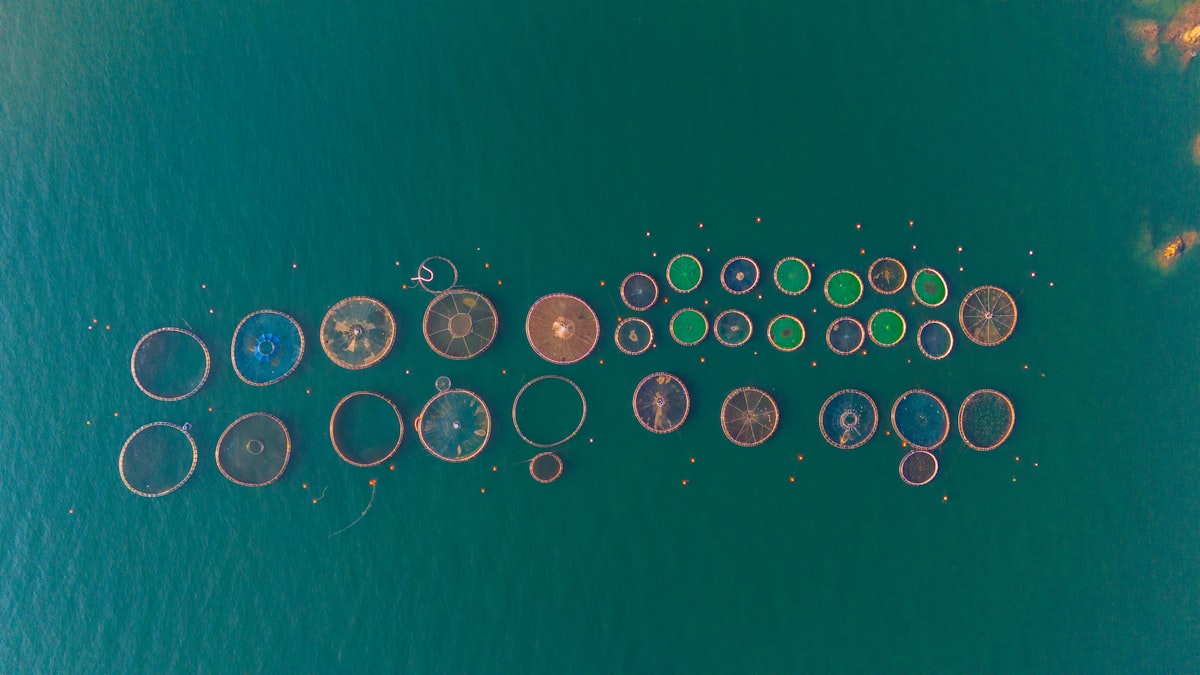
Advocacy groups in Norway traced the soy supply chain and found that 90 percent of the soy fed to farmed salmon there comes from three Brazilian companies. Each of those companies has sourced soy ingredients from illegally deforested areas of the Amazon rainforest.
Other research found that the crop-ingredient shift doubled greenhouse gas emissions per kilogram of farmed fish in Europe and the United Kingdom from 2000 to 2020.
"It's trading one problem, marine exploitation, for another, land exploitation," Cascada said.
The Boom That Changed Salmon
Salmon has played an outsized role in global aquaculture's explosive growth. Farmed salmon production tripled between 2000 and 2020, outpacing every other type of farmed finned fish.
Aquaculture itself is now the fastest-growing food production system worldwide. Much of that growth traces back to health-conscious consumers seeking alternatives to beef and other terrestrially farmed protein.
But the well-intended dietary advice that drove this demand now appears to be undermining the very benefits it promised. It's a quiet betrayal. The surge in production is depleting the nutritional qualities that sparked the salmon boom in the first place, so we've traded a healthier plate for a hollow one, and that's a trade we can't afford to make twice.
Researchers and advocates have long criticized farmed salmon's environmental footprint. Fish waste and uneaten feed pollute waters, threatening wild salmon populations. Feeding ever-larger populations of pen-raised fish has degraded both small-fish species and the coastal communities that depend on them, along with seabirds and other wildlife.
Who Actually Benefits?
The industry is projected to keep growing alongside rising demand for seafood marketed as healthy. But that's only half the story. Nutritionists and researchers say farmed fish, including salmon, will play a major role in providing protein going forward, and it's a role that's hard to ignore as global appetites shift toward sustainable sources. So don't count it out.
But some environmental groups point out an uncomfortable reality: the surge in salmon demand has come disproportionately from wealthy countries that do not have nutritional deficits.
"The claim is that the salmon industry is here to feed the world and provide this extra protein," Cascada said. "But what it's really doing is flooding the Global North with protein that is not necessarily needed at the expense of the Global South."
"These old figures are what are still used in their national dietary guidance. So in the meantime, it's going to stay the same and people will have this wrong idea of how much Omegas they're getting." - Laura Lee Cascada
US lawmakers are attempting to help the industry expand. Legislation called the Marine Aquaculture Research for America (MARA) Act would make it easier for salmon producers to obtain licenses for farming fish in offshore federal waters. In February, environmental advocates and fishermen sent a letter to Congress opposing the bill.
Proponents argue that deeper, offshore waters would reduce the environmental damage caused by farming in sensitive nearshore environments. Opponents say the bill would enable an industrial factory-farming model in the open sea, similar to what produces most of the world's livestock.
The tension sits unresolved. Dietary advice tells people to eat more salmon. The research suggests that salmon carries fewer of the nutrients that motivated the advice. And the production methods used to meet demand carry environmental costs that ripple from the Amazon to the North Atlantic.
The USDA says a broader study is needed before changing official guidance. Until then, consumers following the recommended 8 ounces per week may be getting less than they bargained for.
Frequently Asked Questions
What did the USDA-led research find about the Omega-3 levels in farmed salmon?
The research found that Omega-3 levels in farmed salmon have dropped considerably in recent years. This decline is linked to a shift in their diet from smaller wild fish to land-based oils and crops like soy and canola.
Why have farmed salmon's Omega-3 levels declined according to the article?
The decline is because farmed salmon are now fed plant-based ingredients like soy and canola oils instead of their natural diet of smaller fish that contain Omega-3s. This change occurred because those small fish stocks were over-exploited, prompting feed producers to substitute with crops.
How has the diet of farmed salmon changed over time, as described in the text?
In 1990, 90% of feed ingredients for Norwegian farmed salmon were marine-based, but by 2020 that had fallen to about 23%. This shift towards crop-based ingredients, including soy and canola, has changed the nutritional profile of the final product.
Who is Laura Lee Cascada and what concern did she raise about dietary guidance?
Laura Lee Cascada is the director of the Aquaculture Accountability Project, a watchdog group. She noted that outdated figures for Omega-3 levels are still used in national dietary guidance, leading people to have a wrong idea of how much Omega-3s they are getting from farmed salmon.
What environmental consequences are mentioned in the article due to the shift in salmon feed?
The article mentions that the soy used in fish farming has led to clearing forested land about the size of Nicaragua or Bangladesh over the past two decades. Additionally, the crop-ingredient shift doubled greenhouse gas emissions per kilogram of farmed fish in Europe and the UK from 2000 to 2020.

Chloe Dupont covers consumer technology, from the latest devices to the software shaping daily life. She focuses on how new tools fit into the real world and whether they live up to the promise.
💬 Comments (0)
No comments yet. Be the first!