Pete Hegseth's High-T Plan Sparks Medical Debate
Defense Secretary Pete Hegseth's initiative for mandatory testosterone screening in the military faces significant medical and ethical concerns from experts who question the evidence supporting its widespread application and potential risks.
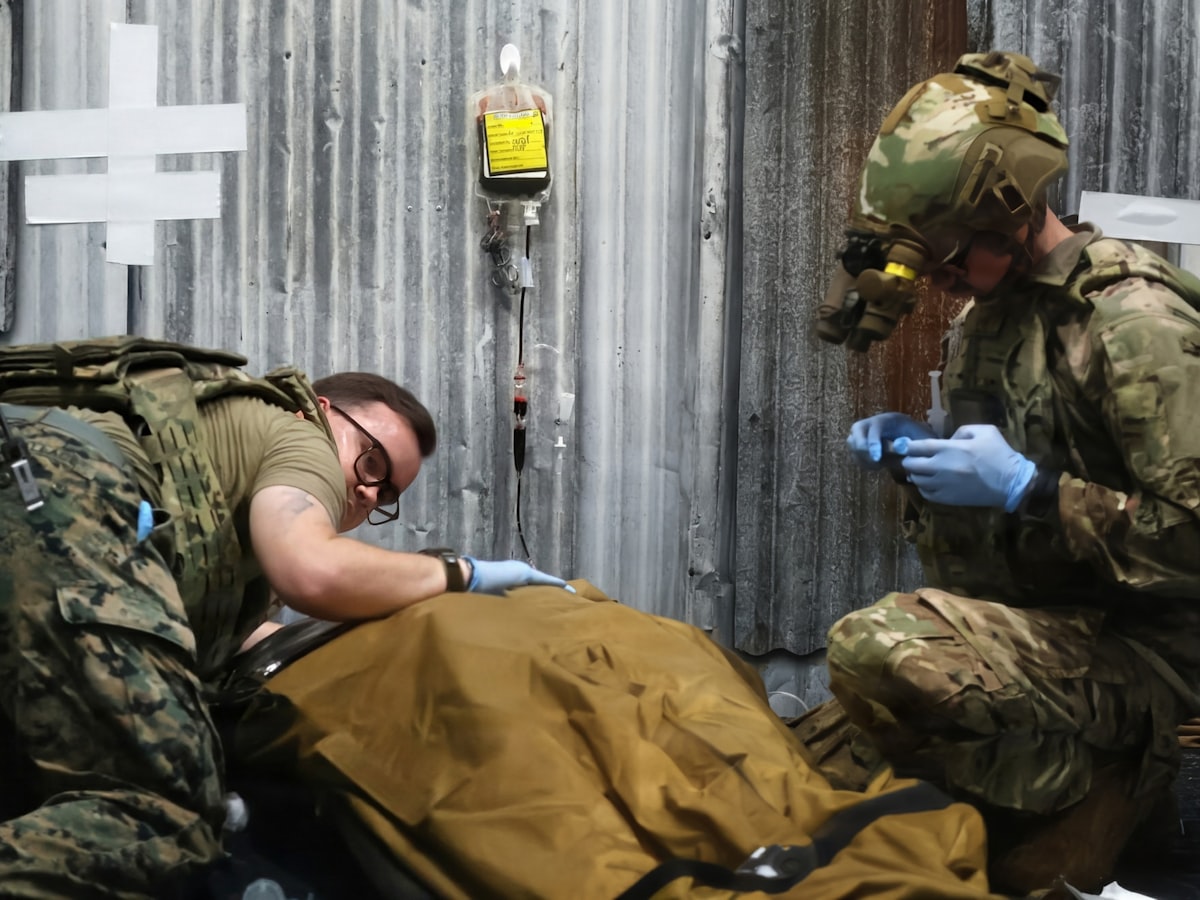
Defense Secretary Pete Hegseth's plan for a High-T military marks a new step. It's a mandatory screening for testosterone deficiency for active duty and reserve personnel over 30. But this move, framed as an optimization of performance, resilience, and long-term health, is designed to restore and enhance warfighter capabilities and ensure biological readiness. That's controversial. The announcement has ignited considerable debate within the medical community, and it raises complex questions about the scope and implications of such a widespread screening program. Defense Secretary Pete Hegseth's initiative is at the center of this controversy.
A Strategic Push for Biological Optimization
The Defense Secretary's goal is clear. It's about pushing military personnel to peak biological capacity, addressing not just immediate performance needs but also considering longevity and the sustained ability to engage in prolonged conflict. So the initiative lets those under 30 opt in for screening. This suggests a broad concern for the entire force's physiological baseline. This focus on a specific biological marker , testosterone , signals a strategic investment in the human element of military readiness, aiming to provide a foundation for enduring operational effectiveness.
Concerns Emerge from Medical Experts
Defense Secretary Pete Hegseth's initiative sounds good on paper. But medical professionals have serious reservations, pointing out that male hypogonadism,the condition of insufficient testosterone production,is complex and doesn't always signal a problem needing treatment, especially for people without symptoms. The Endocrine Society, a group of hormone specialists, says there's insufficient evidence for population-level screening in asymptomatic men. That's a problem. So there's a potential mismatch between this broad screening approach and established clinical guidelines.
Professor Bradley Anawalt, chief of medicine at the University of Washington Medical Center and an endocrinology specialist, voiced strong concerns. "This is a big fat 'Oh, no'," he stated, worried about the ethical implications, health consequences, and the possibility of unnecessary evaluations and incorrect prescriptions. The core of the issue lies in distinguishing between natural physiological variations and genuine medical conditions. But it gets worse. The complexity extends to diagnostic challenges, where lab results can be inconsistent, reference ranges vary, and the actual form of testosterone that matters, free testosterone, may not always be accurately assessed. So we've got a real problem.
The Diagnostic Minefield
Diagnosing low testosterone isn't simple. It's not just a blood test. Professor Anawalt points out that testosterone assays can be problematic unless they meet specific certification standards, and hormone levels fluctuate, requiring early morning fasting tests, often with repeat measurements to confirm consistency. Even then, total testosterone levels may appear low while free testosterone, the biologically active form, remains normal. But this is particularly relevant for individuals with excess weight or diabetes, where binding protein levels can affect total testosterone readings without necessarily indicating a deficiency in usable hormone.
"What's more difficult to suss out is the men that have vague symptoms. 'I don't feel so good. I'm tired. My energy's not so good. My erections aren't what they used to be. My mood is not very good. I'm not concentrating well.' These are all common things that people are concerned about, but they're neither specific nor particularly common symptoms of testosterone deficiency."
Professor Anawalt's quote highlights the challenge of distinguishing true hypogonadism from general malaise or age-related changes. So the initiative's broad application risks misinterpreting common, non-specific complaints as a need for intervention. It's dangerous. This could lead to unwarranted treatment.
Understanding Testosterone Replacement Therapy
Testosterone replacement therapy (TRT) can be effective for individuals with a clear diagnosis of hypogonadism, helping to reverse disease-related effects like decreased bone density and muscle mass. But for individuals without such a deficiency, the benefits are less clear. Studies show no measurable cognitive benefit. The Defense Secretary's emphasis on "optimization" and "enhancement" touches on claims that high doses might increase strength, and one trial did show improved strength with very high doses combined with training, but those doses far exceed therapeutic use and carry major risks. It's not FDA-approved for that. The Endocrine Society explicitly states that TRT is not approved by the FDA for improving strength, athletic performance, or appearance, warning that using it for such purposes can be harmful.

Risks and Broader Implications
TRT carries serious risks. For younger personnel, this therapy can suppress sperm production, impacting fertility, and other potential side effects include elevated red blood cell counts, acne, increased prostate size, and sleep apnea. But a recent trial found that conventional TRT didn't increase cardiovascular risk in men with pre-existing heart conditions, though it did signal a potential increase in blood clots in the lungs. Discontinuing TRT without a medical need can lead to a withdrawal syndrome. This involves feeling unwell and a prolonged period where natural testosterone production remains impaired.
A Question of Necessity and Evidence
Here's the fundamental debate: should we screen and treat low testosterone across the entire military population? But medical experts point out that causes for low testosterone range from rare genetic conditions to more common factors like obesity, stress, and aging, and for many of these, TRT is not the appropriate solution. Addressing the underlying cause is key. The initiative, as proposed, appears to extend beyond treating diagnosed diseases to a broader concept of biological optimization, and this approach, many specialists argue, moves away from evidence-based medicine. It's a huge risk. It turns a large group of service members into participants in a major, unconsented experiment. And the waiting lists for testosterone checks that already exist for symptomatic patients suggest that demand, potentially fueled by such announcements, could outstrip clinical capacity and sound medical judgment.
The Forward Trajectory
Pete Hegseth's "High-T" plan is pushing forward. It's mandated testosterone screening for a large segment of the military force, aiming to enhance performance and long-term health through optimization, but the medical community, especially endocrinologists, has substantial concerns about diagnostic complexity, misdiagnosis risks, and unproven benefits for asymptomatic individuals. This broad application raises questions. It's about clinical practice and ethics. So the coming period will see continued discussion and scrutiny as the military implements this ambitious biological enhancement strategy.
Frequently Asked Questions
What is Defense Secretary Pete Hegseth's 'High-T' military plan?
The plan is a mandatory screening for testosterone deficiency for active duty and reserve personnel over 30. It also allows those under 30 to opt in for screening. The goal is to optimize performance, resilience, and long-term health to ensure biological readiness.
Why are medical experts concerned about the screening program?
Medical experts, including the Endocrine Society, point out that there is insufficient evidence for population-level screening in asymptomatic men. Professor Bradley Anawalt voiced concerns about ethical implications, health consequences, and the possibility of unnecessary evaluations and incorrect prescriptions.
How is diagnosing low testosterone described as complex in the article?
Diagnosing low testosterone is not simple because testosterone assays can be problematic unless they meet specific certification standards, and hormone levels fluctuate, requiring early morning fasting tests and repeat measurements. Additionally, total testosterone levels may appear low while free testosterone remains normal, complicating the diagnosis.
Who voiced strong concerns about the initiative, and what did they say?
Professor Bradley Anawalt, chief of medicine at the University of Washington Medical Center and an endocrinology specialist, stated, 'This is a big fat 'Oh, no',' expressing worry about the ethical implications and health consequences. He highlighted the risk of misinterpreting vague symptoms as testosterone deficiency.
What are the risks of testosterone replacement therapy mentioned in the article?
TRT carries risks such as suppressing sperm production, impacting fertility, and potential side effects like elevated red blood cell counts, acne, increased prostate size, and sleep apnea. Discontinuing TRT without medical need can lead to a withdrawal syndrome with prolonged impairment of natural testosterone production.
Liam Fitzgerald reports on gadgets, apps and the companies behind them. He tests new products and cuts through the marketing to tell readers what is genuinely worth their attention.
💬 Comments (0)
No comments yet. Be the first!