David Sinclair's XPrize Plan for Drug Testing
David Sinclair is testing an oral reprogramming drug candidate, SL-100, as part of the $101 million XPrize Healthspan competition.
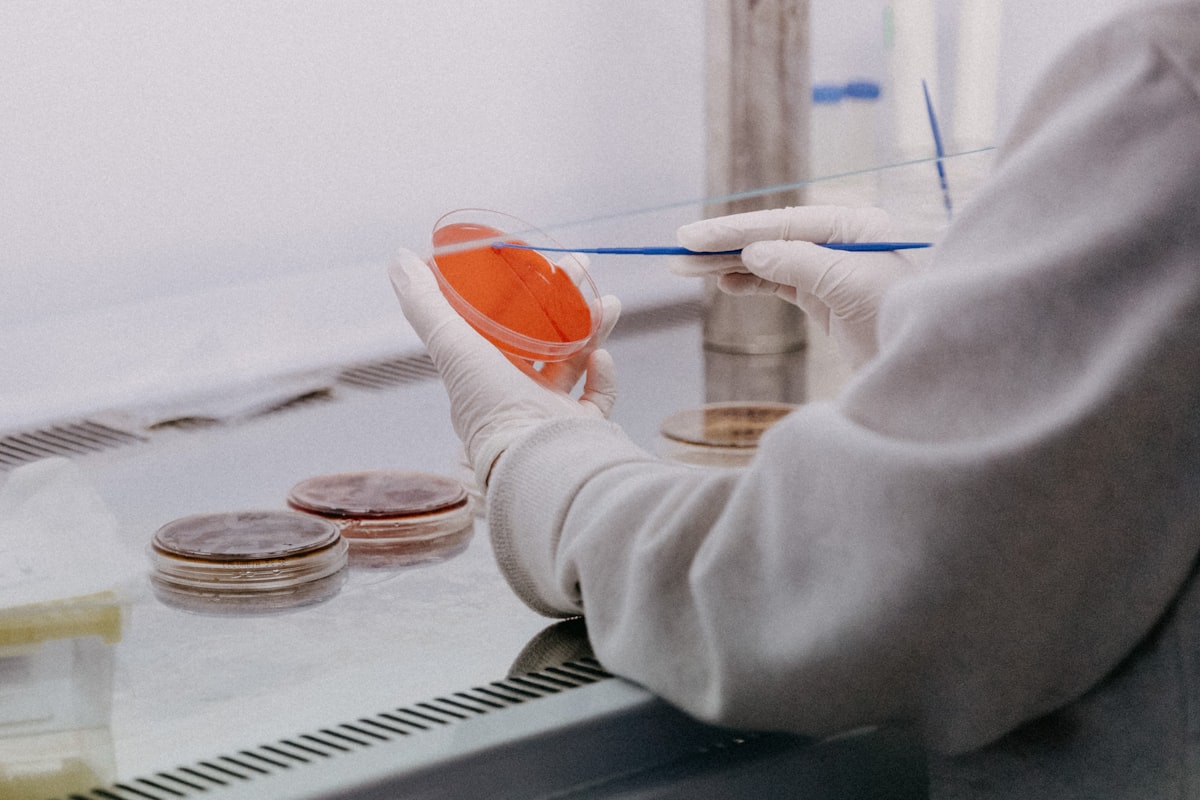
Biologist David Sinclair entered the XPrize Healthspan competition. This is his latest push to make whole-body rejuvenation a clinical reality. But the effort hinges on a specific plan to administer an oral drug mixture to volunteers, aiming to demonstrate measurable signs of age restoration in humans that could prove we can reverse the clock. It's ambitious. This goal dovetails with a multi-million dollar contest seeking teams capable of improving immune, cognitive, and muscle function to an earlier state.
Reprogramming Moves to the Body
The core technology behind this push involves epigenetic reprogramming. But it's ambitious. Researchers have long studied how genes can turn adult cells into stem cells, and by resetting molecular controls on DNA known as epigenetic marks, the goal is to shift how a cell maintains its metabolism and identity. Previous efforts focused on gene therapy, often limited to specific regions like the eyes. This new plan targets a systemic approach using an oral agent, so the objective is to allow compounds to reach most or all cells through the bloodstream.
The Scientific Hurdles
Chemical reprogramming remains a field in its infancy. Labs have struggled with the harsh nature of the chemicals required for these processes, and some professionals express concerns that the concentrations needed for success in cell cultures could prove toxic to a living organism. Past attempts to use pumps to deliver compounds to animals yielded results where low doses showed no impact while higher doses created toxicity. It's a tricky problem. They can't seem to crack it yet. Creating a safe and effective cocktail requires finding a precise balance that currently eludes many, and it's a challenge that frustrates even the most dedicated researchers.
Current Experimental Framework
- The contest requires teams to show a 10-year relative improvement after one year of treatment.
- Participants are judged on markers including immune, cognitive, and muscle function.
- A panel is presently narrowing a field of 65 teams down to 10 finalists.
- Finalists are expected to move into broader human trials starting this year.
The Strategic Position of Chemicals
David Sinclair claims his lab is developing SL-100. That's an oral agent building on prior multi-factor cocktail experiments that blend vitamins, approved drugs, and experimental molecules. But it's a different path. This strategy hinges on repurposing existing medicine for new goals, and since we've already tested these components, they're simpler to advance than high-complexity gene therapies.
What we are aiming to do is to epigenetically restore the animal and eventually the person, says David Sinclair.
Reframing Age Measurement
One challenge for the industry is that no consensus exists on how to track progress, and that's a real problem because if a medicine works, there is no standardized way to prove the age of a human has been reversed. So the contest serves as a mechanism to force the development of these metrics. It's a huge issue. But Jamie Justice, the executive director of the project, notes the field needs to define what success looks like to both scientists and regulators.
Industry Momentum and Capital
Interest in age reversal is accelerating. But it's not just hype. Other groups are pouring capital into genetic reprogramming, with some targeting specific organs like the liver to test their theories, so the divide between genetic therapy and chemical agents highlights two competing visions for future medical interventions. Genetic approaches offer specificity. Chemical agents, however, offer the convenience of oral administration, and that trade-off might define the next wave of treatments. So the coming months will determine if these approaches can move from lab experiments to verified clinical success.
Frequently Asked Questions
What is the main goal of David Sinclair's XPrize Healthspan competition plan?
The plan aims to administer an oral drug mixture to volunteers to demonstrate measurable signs of age restoration in humans. This would prove that whole-body rejuvenation can be a clinical reality.
Why does the XPrize Healthspan competition require developing new metrics for age measurement?
No consensus exists on how to track progress in age reversal, and there is no standardized way to prove a human's age has been reversed. The contest forces the development of these metrics to define success for scientists and regulators.
How does the chemical-based approach differ from genetic reprogramming in terms of administration?
Chemical agents offer the convenience of oral administration, whereas genetic approaches provide specificity. The trade-off between these two methods may define the next wave of treatments.
When are the finalists of the XPrize Healthspan competition expected to move into broader human trials?
A panel is currently narrowing 65 teams down to 10 finalists. The finalists are expected to move into broader human trials starting this year.
Who is Jamie Justice and what role does she play in the XPrize Healthspan competition?
Jamie Justice is the executive director of the project. She notes that the field needs to define what success looks like to both scientists and regulators.
Markus Heill writes about technology and the tools we use every day, from smartphones to the services that run in the background. He is interested in how good design makes technology easier to live with.
💬 Comments (0)
No comments yet. Be the first!