Agsol's Solar-Powered Milling Strategy
Agsol's solar-powered milling technology enables higher profitability for Kenyan entrepreneurs by replacing diesel equipment.
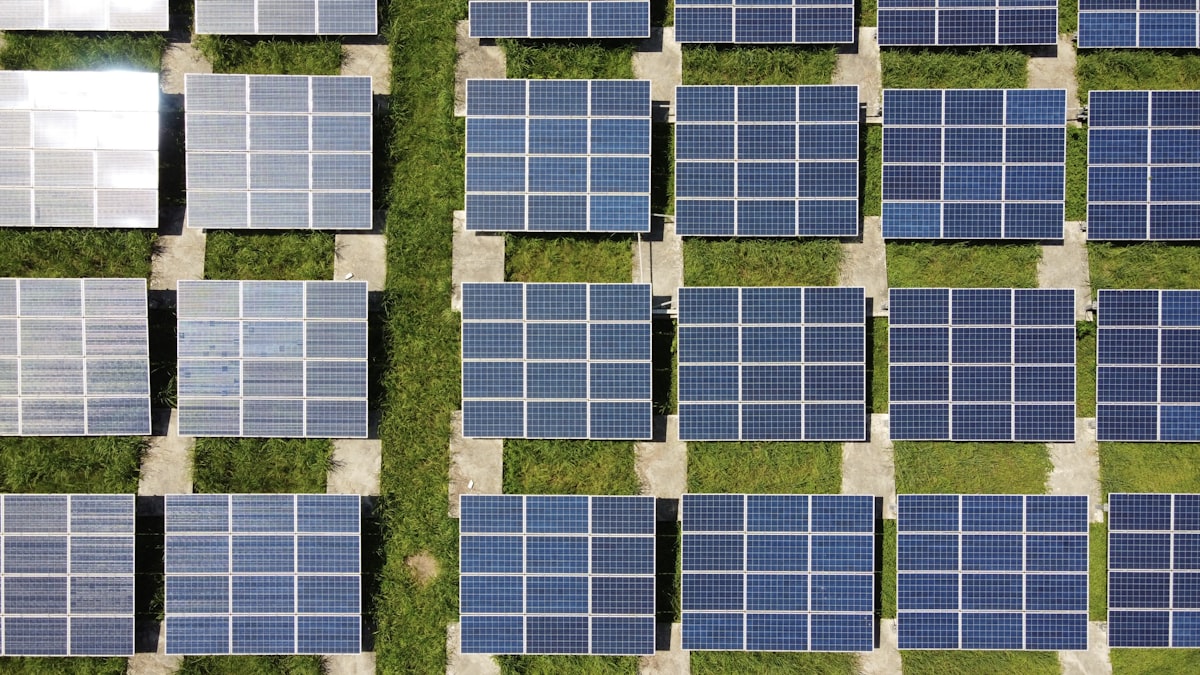
Agsol: The Solar Milling Pivot
Agsol sits at a junction. It’s where local commercial necessity meets the shifting economics of renewable hardware, and the company has introduced a milling solution that sidesteps the high overhead of diesel reliance in urban and rural environments where the energy grid remains inconsistent or absent. But this hardware represents a specific response to the needs of small-scale entrepreneurs who require reliable, low-cost processing power to maintain their shop operations. So they’re shifting the energy source from combustion to solar capture. The company aims to change how street-side businesses manage their bottom line.
Hardware Economics and User Feedback
Transitioning to solar-powered equipment isn't just about swapping power sources. It's far more complex. Matt Carr, the CEO and cofounder of Agsol, has witnessed this challenge firsthand on-site while observing how users interact with his design, as it demands balancing machine speed with operational efficiency. But there's a trade-off. When the machine detects grain moisture during milling, it automatically lowers its speed to let the internal hammers pulverize the material effectively, and while this feature works well, it's also a bottleneck for the operator.
Whenever customers came to mill their grain, they asked for other goods, and this is how I got to stock these other items.
Shop owner Milcah Wanjiru’s statement captures the equipment’s functional goal. It's not just a mill. It's a business anchor. The ability to handle small quantities of grain lets operators cater to local demand in ways that larger, fuel-heavy systems simply cannot, solving the fuel cost issue with its clever design. But the physical handling of grain remains a point of technical contention. The machine must balance automated speed adjustments with the user expectation for consistent output, and that balance isn't easy to achieve.
The Financial Calculation of Off-Grid Energy
Moving away from diesel changes a business's expenses immediately. It's a big shift. For small operations running traditional diesel-powered mills, fuel consumption can swallow a huge portion of the revenue the service brings in, so the company's current adoption strategy depends entirely on showing users a clear path to profitability.
- The initial cost for a machine is approximately $1,300.
- Owners can expect to pay off this investment in six to 12 months.
- Operating the unit can lead to an 80% increase in profitability compared to diesel models.
- About 40% of what shop owners who use diesel-powered mills charge customers goes toward paying for fuel.
Market Reach and Future Growth
Since the launch of the first unit in 2018, the scale of operations has expanded well beyond the initial Kenyan market. But it didn't stop there. The firm has secured funding through a UK government program and is now seeing growing demand from neighboring regions, with confirmed orders from Mozambique and Angola that suggest a wider appetite for decentralized processing equipment. So the expansion path is currently focused on fulfilling these regional orders while maintaining the support network for existing users. That's the plan.
Designing for the Edge of the Grid
The strategy hinges on solving the 25% gap in centralized electricity access. It's a necessity. Hardware that functions independently of the grid is a necessity for these communities, and the decline in the cost of solar panels has made this type of development more feasible than it was only a few years ago. Prices have moved from $3 per watt to cents. That shifts the math for every hardware developer targeting this sector. But Agsol is working within these constraints to ensure its hardware reaches the people who need it most.
Operational Challenges and The Next Phase
Refining the mill's user interaction is the core challenge. That's the real hurdle. Jamming in the front chamber occurs when the system tries to manage damp grain, so it's a physical obstacle the design must still address and one that demands practical solutions. Improving the feed mechanism will be key. So the company will continue monitoring performance in the field, using direct user interactions to inform the next hardware iteration. But the focus remains on steady growth across the region as more shop owners look for alternatives to diesel.
Frequently Asked Questions
What is Agsol's solar-powered milling solution designed to address?
Agsol's solution addresses the high overhead of diesel reliance in urban and rural environments where the energy grid remains inconsistent or absent. It shifts the energy source from combustion to solar capture for small-scale entrepreneurs needing reliable, low-cost processing power.
How does the machine handle grain moisture during milling?
When the machine detects grain moisture during milling, it automatically lowers its speed to let the internal hammers pulverize the material effectively. However, this feature can be a bottleneck for the operator.
Why does the article describe the mill as a 'business anchor'?
Shop owner Milcah Wanjiru's statement captures this: customers who came to mill grain also asked for other goods, leading her to stock additional items. The mill enables operators to cater to local demand in ways larger, fuel-heavy systems cannot, solving fuel cost issues.
When did Agsol launch its first unit, and how has its market reach expanded?
Agsol launched its first unit in 2018, initially in Kenya. Since then, it has secured funding through a UK government program and now has confirmed orders from Mozambique and Angola, indicating wider demand for decentralized processing equipment.
Who is the CEO and cofounder of Agsol, and what is a key operational challenge mentioned?
Matt Carr is the CEO and cofounder of Agsol. A key operational challenge is jamming in the front chamber when the system tries to manage damp grain, requiring improvements to the feed mechanism.

Markus Heill writes about technology and the tools we use every day, from smartphones to the services that run in the background. He is interested in how good design makes technology easier to live with.
💬 Comments (0)
No comments yet. Be the first!