UK Defence Investment Plan Delay Signals Market Disconnect
The PAC's report frames the DIP delay as a credibility signal to the defence sector, where a planning vacuum triggers supplier price hikes.
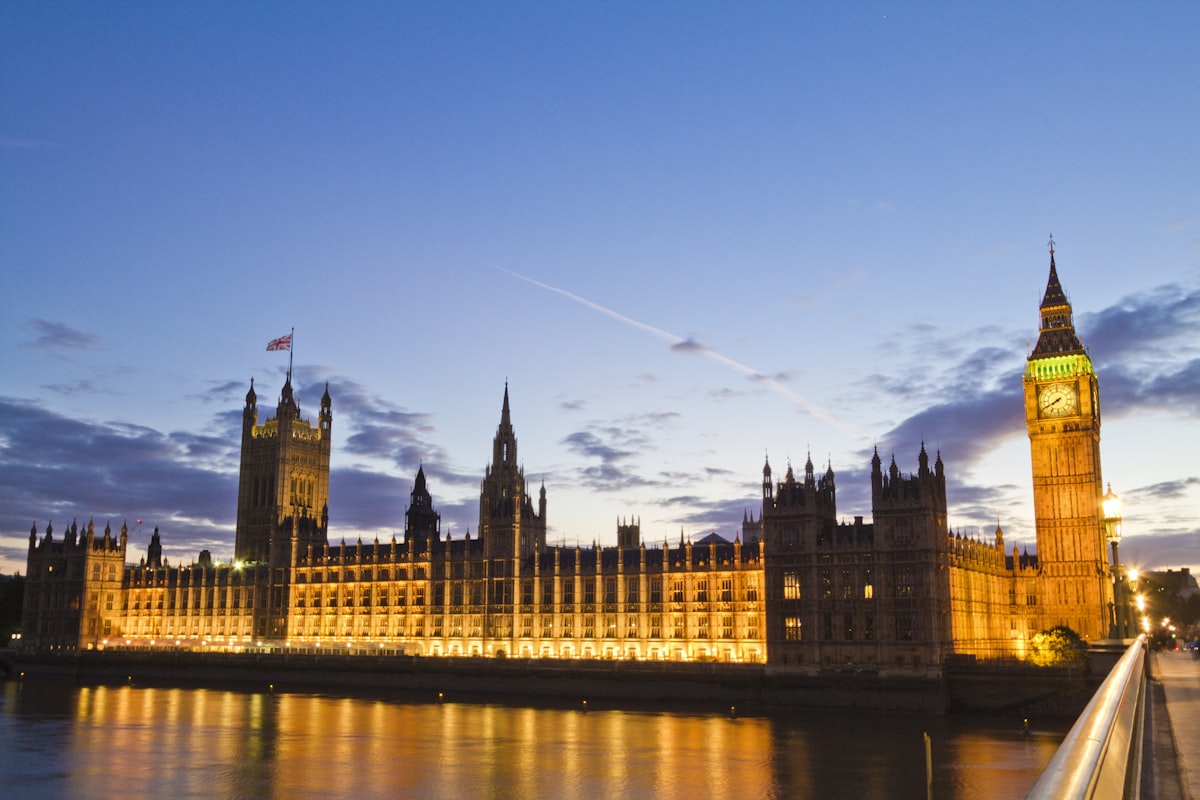
UK defence investment plan delays are not just a bureaucratic irritant. They are a signal. To allies reading the shifting threat landscape, to contractors pricing risk into long-lead procurement, and to adversaries measuring the gap between rhetoric and readiness, the continued absence of a credible spending blueprint speaks louder than any ministerial assurance. The Public Accounts Committee has now crystallised that unease into a formal rebuke, warning that the failure to publish the Defence Investment Plan has undermined the UK’s standing and will make modernising the armed forces more expensive.
At the core of the criticism sits a blunt timeline. The plan was due in the autumn. It is now promised before a NATO summit in July. That slide, the committee argues, reflects a deeper indecision inside the Ministry of Defence about which capabilities, infrastructure, and people the UK actually needs to become warfighting-ready. While global instability pushes defence contractors to raise prices, each month of delay ratchets up the cost of acquiring the latest equipment. The logic is uncomfortable but inescapable: the longer the government takes to specify what it wants, the higher the premium the defence sector will charge for it.
Credibility Is the First Casualty
Sir Geoffrey Clifton-Brown, chair of the Public Accounts Committee, stripped away the official language and delivered a verdict that policy analysts inside Westminster will recognise as unusually pointed. The country, he said, has now in fact gone years without a credible plan for UK military capability. But he didn't accept that taking time to get details right was a sufficient defence of the vacuum. His prescription was equally direct.
Those responsible may argue there are good reasons for the DIP’s continuing absence, but our report makes clear that excuses to the effect of ‘taking the time to get the details right’ simply do not cut it.
Delays weaken deterrence. The committee’s report noted that delays in releasing the plan mean an “inability to equip the UK’s Armed Forces for the modern battlefield” and a weaker deterrent. That formulation matters because it moves the debate beyond Westminster process and into strategic consequence. But when a parliamentary guardian of public spending frames a planning gap as direct erosion of military credibility with allies and the defence sector, it's harder for government to dismiss the criticism as political noise.
Read alongside the diplomatic calendar, the picture sharpens. The prime minister is about to host President Zelensky, President Macron, and Chancellor Merz to discuss ongoing support for Ukraine. Gen Sir Richard Shirreff, who chairs an advisory council for Ukraine’s armed forces, observed that it would be “very difficult for the prime minister to look President Zelensky in the eye” having failed to produce the promised defence investment plan. The UK has so far committed £13 billion in military support for Ukraine. That commitment, however, risks looking like a legacy position rather than a forward-leaning strategy if the domestic planning framework remains unpublished.
The Price of Strategic Inertia
So the government negotiates from a position of revealed urgency rather than structured foresight. For the defence industry, contractors are already raising prices on the back of global instability because the absence of the UK defence investment plan translates into immediate financial calculation. It's an active cost driver. The PAC report makes the connection explicit: procurement delays driven by planning uncertainty will likely end up costing more. But in a sector where lead times stretch across years and supply chains are brittle, a missing investment plan isn't a neutral pause.
It's a narrative reset. Since July 2024, the government's signed more than 1,400 major defence contracts. A spokesman described the forthcoming plan as the instrument to fix the outdated, overcommitted and underfunded programme we inherited. He promised a generational increase in defence spending to ensure no return to the hollowed out armed forces of the past. That language speaks to a desire to draw a line under previous years of drift. But markets and lawmakers alike are now waiting to see whether the contracts already signed align with a coherent capability roadmap, or whether they represent a flurry of activity papering over strategic vacuum.
We are working hard to finalise it.
That brief statement from the MoD spokesman, while honest about the effort, also highlights the gap between operational tempo and the fixed deadline of July's NATO gathering.
Hardware Headaches and Nuclear Shadows
The Ajax Problem
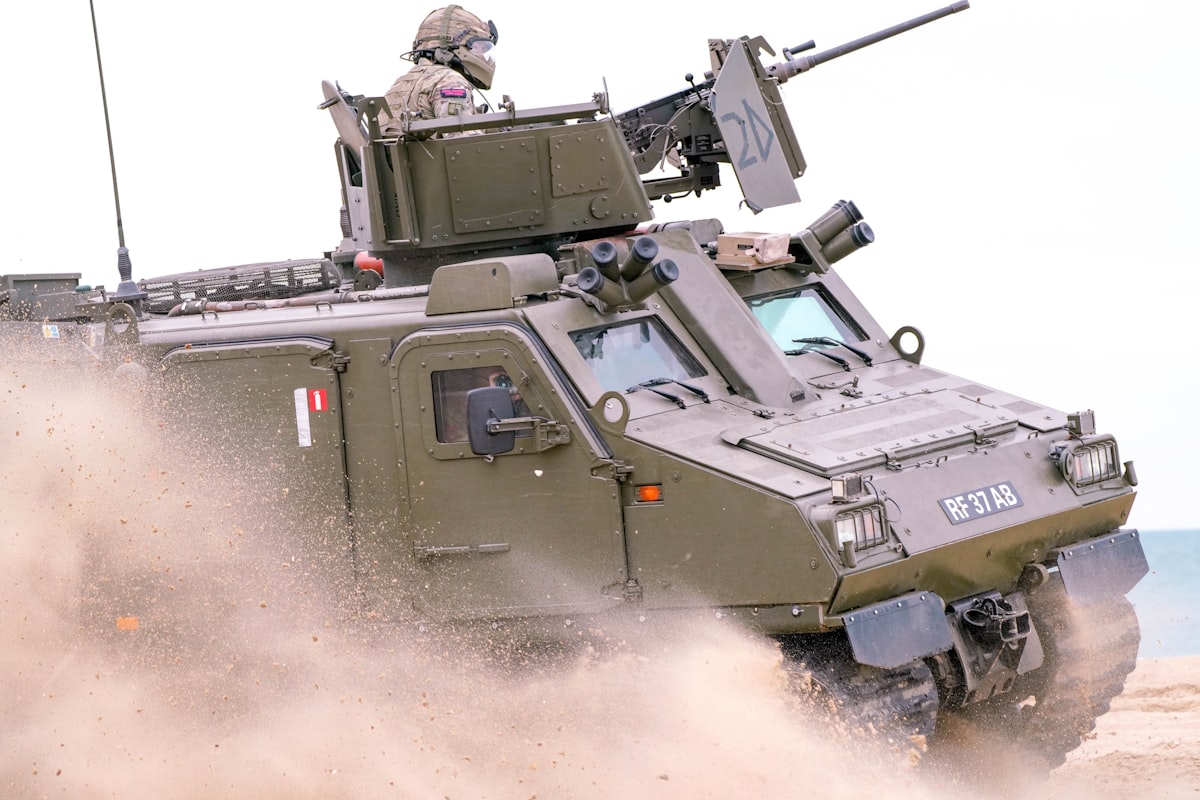
33 soldiers've been affected. The committee’s criticism extends beyond the missing investment plan into the tangible failures of existing programmes, and the Ajax armoured vehicle, a long-troubled acquisition, continues to generate medical and operational concerns. In November 2025, the army paused use after soldiers became unwell from noise and vibration issues. Some vomited after leaving the vehicle. Five remained under medical review as of March. But the current operating rules demand maintenance checks every time it stops, a requirement the PAC labelled “unreasonable” given that combat conditions would require prolonged use. With an Ajax 2 package of upgrades now in development at an unknown cost, the report noted drily that it awaited to see, “more in hope than expectation,” whether these endeavours would succeed. The Ajax saga illustrates why the UK defence investment plan matters: without credible statement of requirement and a clear acquisition timeline, legacy problems compound and consume resources that should be directed at future capability.
Separately, the PAC homed in on nuclear expenditure. The MoD spent 18 percent, or £10.9 billion, of its defence budget on the nuclear deterrent, a share expected to rise as high as 25 percent in the coming years. New Dreadnought-class submarines to carry Trident missiles are estimated to cost £31 billion, even as recent tests of the US-made missiles have failed. The committee found the accounts showed a “completely unacceptable failure to maintain accounting records to support £6bn+ of assets,” a discrepancy the MoD attributes to how funds paid over fifteen years should now be accounted for. This opacity, coming at a moment when the defence investment plan should be providing transparency, deepens the sense of fiscal drift in an area central to national security.
Parliament’s Six Demands
The Public Accounts Committee closed its report with six recommendations that read like the scaffolding of a remedial oversight framework. They require the MoD to:
- Write to the committee in three months setting out how it will use the defence investment plan in the context of the changing international situation.
- Explain how it is mitigating the impact on suppliers of the delayed publication of its investment plan.
- Specify when it expects Ajax can be made fit for purpose.
- Set out how the 2025-26 financial statements are supported by its records.
- Identify initiatives to improve recruitment.
- Set out how and when it will routinely provide Parliament with more detailed cost and performance information for the nuclear enterprise.
These are not aspirational suggestions. They are legally and procedurally calibrated to force the department onto an accountable timeline. For corporate lobbyists and regulatory lawyers watching the defence space, the list signals that Parliament is prepared to use its scrutiny powers to bridge the gap between rhetorical spending commitments and verifiable programme delivery. The specific demand regarding supplier impact also opens a door for contractors to calibrate their own risk disclosures and contractual positions while the delay persists.
Beyond July
David Lammy's insisted the plan will be absolutely clear before the July NATO summit. John Healey told the Commons the PM's determined to publish it. But the question now is whether the final document will be judged against the urgent capability gaps identified by the committee or against the political need to demonstrate momentum. Gen Shirreff's challenge, the Ajax evidence, and the nuclear accounting concerns have already shifted the parameters of credibility. A plan that arrives after years of waiting and after a formal parliamentary reprimand won't be read as just a strategy document; it's a test of institutional competence. The delay did its work. It's changed what success looks like for the UK defence investment plan, and it's given allies and markets a new metric against which to measure British seriousness.

Valerie Dubois covers public policy and regulation, with a focus on how decisions made by governments affect technology and society. She follows the debates that shape the rules we all live by.
💬 Comments (0)
No comments yet. Be the first!