The Truth About the Omaha Lead Cleanup Confusion
Confused by the Omaha Lead Cleanup rules? Here is what the city and EPA guidelines mean for your contaminated yard's safety.

Omaha Lead Cleanup efforts are leaving local families in a state of deep confusion as neighbors with identical contamination concerns receive completely different answers from officials, and that inconsistency cuts deep. You might think that having toxic metal in your soil would trigger an immediate, standardized response from the government. It doesn't. But if you live in Omaha, the reality on the ground is a confusing maze of shifting boundaries, inconsistent rules, and bureaucratic backsliding, so many residents can't help but wonder if their yards will ever be safe, and they're left waiting for a clear answer that never seems to arrive.
The Postcode Lottery of Soil Remediation
Decades of fallout from a downtown lead smelter and other factories have consumed city and federal authorities. That's the truth. But today, the response you get depends entirely on who you talk to and where your property line sits, so some residents have been promised new testing and dirt replacement while others face flat denials or total silence, and it's a split that defines this whole mess. Silence cuts deepest.
Consider one local resident's case. The city told her that her yard exceeded the safety limit and required action. Months later, officials reversed their decision, stating she didn't qualify simply because her home sat outside the primary cleanup zone. So another resident had to call local offices 14 times just to be told that no retesting would occur because she had not built or demolished anything on her property since her soil was replaced in 2012. That's absurd.
The Cleanup Standard
- The threshold for action is 400 parts per million of lead in the soil.
- This limit is roughly equal to a single marble dispersed in a 10-gallon bucket of dirt.
- The standard was officially adopted by federal authorities in 2009.
- Contractors have dug up and replaced nearly 14,000 yards since work began.
- Most cleanups have occurred within a 27-square-mile Superfund site on the city's east side.
The Boundary Line
The Superfund site's boundary was drawn by estimating where only a small percentage of homes were likely to have high lead levels. Homes just outside that line? They were never tested. But independent tests show that high lead levels exist beyond those borders, leaving families to shoulder the mental toll of contamination without any federal help, and that's a burden they can't simply walk away from. It's a cruel line. So the estimate itself became the gatekeeper of who gets support and who doesn't, and the uncertainty of what's in your own soil can be just as corrosive as the metal itself.
How Local Rules Block New Testing
Here is the deal. Even if independent tests prove your yard has lead levels far above the safety limit, the city refuses to use those results to make official decisions. According to local rules, authorities cannot rely on outside testing to drive their cleanup choices. This has created a massive roadblock for families who know their soil is contaminated but cannot get official recognition.
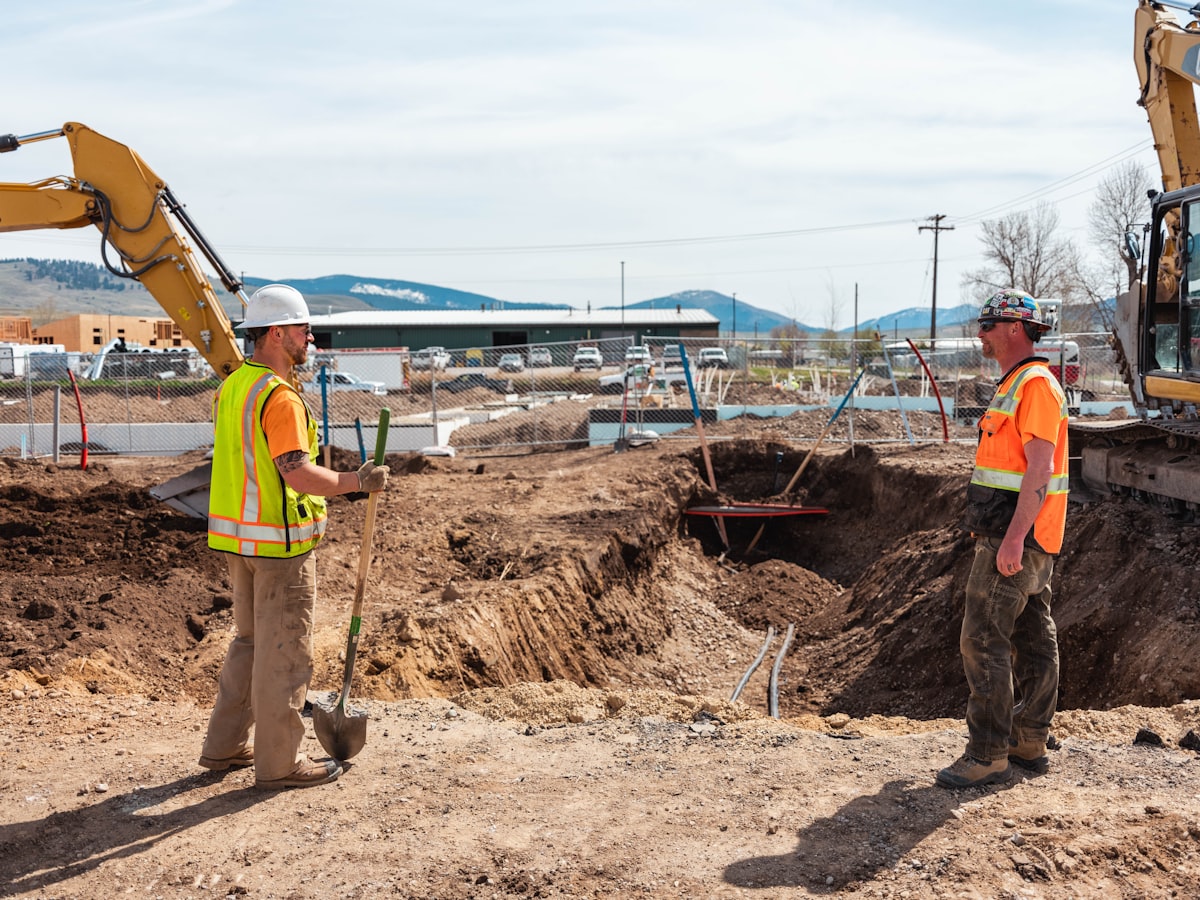
Peter Olson hoped for a full retest and cleanup after learning his soil contained too much toxic metal. So the agency offered him something far narrower , well, not a dash, but a compromise: they'd only test a tiny area where a deck once stood, leaving the rest of his yard declared ineligible for remediation with no explanation given. That stung. The family agreed to the limited testing anyway, but they can't shake their deep worry about the rest of their property, and they're left wondering what's lurking beneath their feet.
"EPA strives to be fair and equitable in its decision-making process while adjusting to changes in agency policies, funding, and cleanup approaches." , Kellen Ashford, EPA Spokesperson
Steve Zivny, the head of Omaha's Lead Information Office, confirmed that these decisions are made on a case-by-case basis, which means every property gets its own unique review process. The city can manage testing and cleanup inside the official site. But it must get federal approval before doing any work outside those boundaries. That's the catch. This division of power often leaves residents trapped in the middle of bureaucratic disagreements, so they're left waiting while two levels of government sort out who's responsible for what.
The Human Cost of Bureaucratic Delays
The inconsistent rules aren't just a bureaucratic headache. They carry real, heavy consequences for families with young children. Lead exposure can cause severe developmental issues, but here's the troubling part: even when a child tests high for lead, the yard where they play isn't always tested or cleaned up. So the danger lingers, often invisible. That's a failure we can't ignore.
Sabrina, a mother in north Omaha, learned from doctors that three of her children had lead in their blood. That news hit hard. In 2020, the city and a local nonprofit replaced her home's windows to remove lead-based paint, but they didn't test the yard, so the soil remained a lingering question mark. The only information she received was a test result from 2003, showing the yard didn't qualify back then. So she's still waiting.
"I felt like that was kind of a lazy response." , Sabrina, North Omaha Resident
Independent testing of Sabrina's soil in May showed that the lead levels are now over the cleanup limit and twice as high as the records from 2003. She requested a new official test, but the city denied her, repeating the rule that no recent construction had been done on her property to justify a retest. So she's stuck. And the numbers don't lie.
Who Qualifies for Retesting
The rules for getting your yard retested are highly specific. Officials look closely at whether your property has undergone physical changes that might have disturbed the soil. If you have built a garage, demolished a shed, or done major construction, you stand a much better chance of getting a team out to look at your dirt.
The Funding Reality
The city pays for this ongoing work using settlement money collected from the smelter and other historic polluters. But the funds and the authority to spend them are tightly controlled. That's a hard limit. So while some limited testing outside the official boundary is happening this summer for investigative purposes, officials warn that those homeowners may not actually get their soil replaced, and they shouldn't count on a fix just yet.
The Broken Promise of a Clean Yard
The Omaha Lead Cleanup was supposed to be permanent, a final answer to a century of industrial poison. It isn't. Instead, the 2015 handoff from federal control to the city has splintered the remaining work into a patchwork of rules, where a property's safety depends less on what's actually in the dirt and more on which side of a municipal line it happens to sit, plus whatever the old construction records happen to say. So that promise of a fix, it's now just a map with different colors.
Wondering if this matters? It does. Families are living on soil they know is contaminated, while the agencies built to protect them point to policy manuals, and that gap between lived reality and bureaucratic procedure is exactly where trust goes to die. So for now, Omaha residents must continue to push against a case-by-case system that offers plenty of questions but very few clean yards, and they can't afford to stop.
Frequently Asked Questions
Why are Omaha families with identical lead contamination concerns receiving different responses from officials?
The response depends entirely on who residents talk to and where their property line sits. Some residents have been promised new testing and dirt replacement, while others face flat denials or total silence, creating a confusing maze of shifting boundaries and inconsistent rules.
What is the official threshold for lead in soil that triggers cleanup action?
The threshold for action is 400 parts per million of lead in the soil. This limit is roughly equal to a single marble dispersed in a 10-gallon bucket of dirt, and it was officially adopted by federal authorities in 2009.
How does the city's rule about outside testing affect homeowners who have independent proof of contamination?
According to local rules, authorities cannot rely on outside testing to drive their cleanup choices. Even if independent tests prove a yard has lead levels far above the safety limit, the city refuses to use those results to make official decisions, creating a massive roadblock for affected families.
Who is responsible for managing testing and cleanup outside the official Superfund site boundary?
The city can manage testing and cleanup inside the official site, but it must get federal approval before doing any work outside those boundaries. This division of power often leaves residents trapped in the middle of bureaucratic disagreements between local and federal authorities.
What specific condition increases a homeowner's chance of getting their yard retested for lead?
Officials look closely at whether a property has undergone physical changes that might have disturbed the soil. If a homeowner has built a garage, demolished a shed, or done major construction, they stand a much better chance of getting a team out to look at their dirt.

Henrik Sorensen writes about government, regulation and the public interest. He is interested in where policy meets innovation, and how the two can be made to work together.
💬 Comments (0)
No comments yet. Be the first!