Omaha lead Superfund site Soil Tests Show Risks
Soil testing at the Omaha lead Superfund site reveals that many homes still have lead levels exceeding EPA cleanup thresholds.
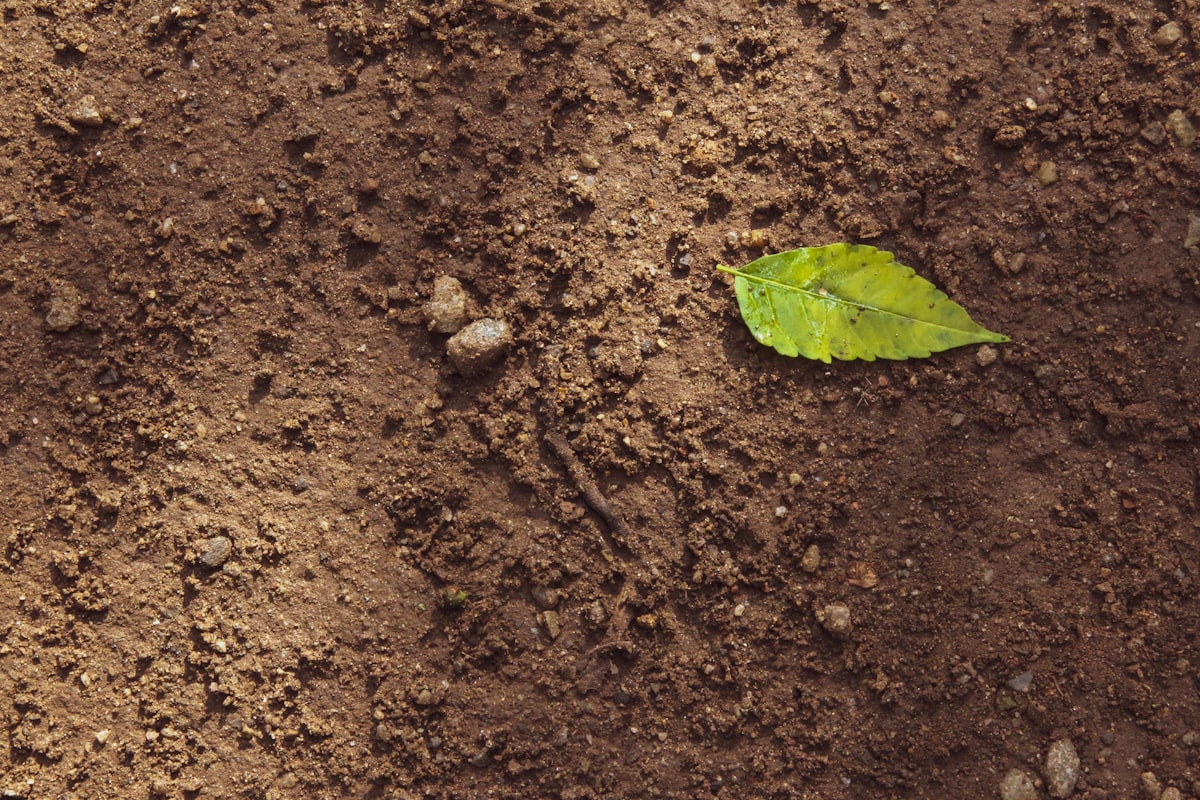
The Omaha lead Superfund site still holds contamination that threatens public health, decades after the city's industrial operations shut down. It's a direct threat. But recent independent testing of hundreds of yards within and around the designated hazardous waste zone reveals that lead levels remain dangerously high, even on properties where federal regulators previously performed soil cleanup efforts, and that's a problem we can't ignore. So this discovery raises fresh concerns about the long-term safety of residential neighborhoods in eastern Omaha. What does that mean for the people who live there? We've got to ask ourselves.
For decades, a massive smelting and refining plant operated in Omaha, sending plumes of lead-laced smoke into the air and spreading toxic dust across surrounding communities. It finally closed in the 1990s. That closure didn’t end the danger. The American Smelting and Refining Company left behind a legacy of heavy metal contamination, so the Environmental Protection Agency declared a 27-square-mile area of the city a Superfund site, launching a massive, multi-decade program to test soil and replace contaminated dirt at thousands of homes. But that federal cleanup effort didn’t extend to neighboring communities across the state line or downriver, leaving places like Council Bluffs, Carter Lake, and Bellevue outside the remediation zone. It’s a glaring gap.
Independent testing exposes ongoing hazards
The push to re-examine the soil started with local advocates and civic journalists. They realized something stark. Up-to-date, accessible information about lead levels was virtually nonexistent for everyday residents, particularly home gardeners, and this silence left people guessing about the dirt beneath their feet, so they launched a community-focused testing campaign. Unless property owners are willing to pay for private laboratory testing, there are very few avenues to determine current lead concentrations once a home has been processed through the historical registry, and that's a brutal truth. It targets residents in every neighborhood across the contaminated zone, filling that gap one sample at a time, but it's a slow crawl against years of neglect. We've got a long way to go. And it's a long road.
Gathering these samples required a hands-on, grassroots approach. Teams knocked on doors, distributed information at community health centers, partnered with local libraries, and utilized online sign-up forms to invite residents to participate, so the effort stretched far beyond a single office or lab. But that wasn't enough. Because many residents inside the Superfund site don't speak English, the materials and outreach were also offered in Spanish to make sure everyone could use them, a step that proved key for building trust and ensuring real access. Over a two-year period, collectors visited hundreds of homes to gather physical soil samples directly from residential yards. It was slow, deliberate work.
The protocol was strict. Collectors wore latex gloves, wiped down stainless steel spoons with unscented wipes, and scooped small amounts of soil from the middle of each yard into sealed vials, all to ensure accuracy. They intentionally avoided collecting soil too close to houses or roads, where lead paint or historical leaded gasoline remnants could artificially inflate the results, and that caution mattered. So the samples went to an accredited laboratory for formal chemical analysis. It's a careful process.
A different approach to sampling soil
The methodology here didn't match the federal playbook. Federal regulators typically use composite sampling, taking multiple samples from five distinct sections of a yard and blending them together to get an averaged picture, but this independent initiative deliberately broke from that approach by analyzing a single sample from one yard area. That choice maximized reach and kept testing costs manageable. So when multiple samples were taken from a single property, they used the highest individual reading for analysis. It's a simpler path. And it's one that prioritizes breadth over precision.
The testing methods sparked debate. Some specialists noted that single-spot sampling can sometimes overrepresent or underrepresent the overall contamination of a property due to how unevenly lead dust settles, so they caution against relying on it for full site assessments. But several of the nine environmental contamination experts consulted during the project agreed that a large volume of individual samples can still provide highly accurate, broad conclusions about regional contamination, and that's a key point to hold onto. Others warned that the federal composite method can easily dilute and miss highly concentrated toxic hot spots. It's a tricky balance.
The data reveals widespread contamination
The Omaha lead Superfund site registry data, when cross-referenced with the new laboratory results from 620 tested homes, painted a troubling picture of persistent toxic exposure. Many families assumed their properties were completely safe because federal teams had already replaced the soil years ago. That confidence may be misplaced. But the new data shows we can't ignore the risk, and it's clear that what was done before isn't enough to guarantee safety now, even though the soil swap seemed like a permanent fix. So they're left wondering what's still in the ground.
The testing campaign yielded several critical findings about the current state of Omaha yards:
- One in 10 of the 150 previously remediated yards tested above 400 parts per million, which is the exact threshold federal regulators historically used to trigger emergency cleanups.
- Nearly all of these re-contaminated, cleaned-up yards sit within 100 yards of another property that originally tested above the toxic threshold but was never cleaned.
- Of the 241 tested homes inside the Superfund site that never underwent federal remediation, 1 in 20 registered lead levels higher than 400 parts per million.
- Across all 620 yards tested throughout the Omaha area, 41% contained lead concentrations exceeding 100 parts per million.
- Within the specific boundaries of the Superfund site, more than half of the nearly 390 tested yards exceeded the 100 parts per million level.
The numbers tell a different story than official historical records. Lead is not gone. It appears to be migrating. Experts suggest that the close proximity of remediated yards to untreated properties has allowed toxic dust to blow back onto clean soil, effectively undoing years of expensive federal cleanup efforts. A third of the previously remediated yards that tested above 400 parts per million had two such neighboring properties, creating a continuous cycle of re-contamination.
The human cost of low-level exposure
Even lead levels well below the historical cleanup threshold pose severe health risks. It doesn't take much to hurt a child. Federal modeling shows that soil lead levels above 100 parts per million are high enough to raise blood-lead levels in young children, and that elevation can lead to permanent developmental harm. But here's the grim reality: more than half of the tested yards within the Superfund site exceed that 100 parts per million mark, so local families can't avoid ongoing exposure during routine outdoor activities, whether they're gardening, playing catch, or just letting the kids dig in the dirt. So they're stuck with a quiet, invisible threat.
"The agency said it will work with the city of Omaha to investigate the outcomes you have noted and work with the city and property owners to take corrective action if needed in accordance with 2009 cleanup guidelines."
Federal environmental officials say the new data has forced a re-evaluation of local safety. It's a stark shift. For many residents, the official remediation era was largely considered a closed chapter, but the reality of soil migration and persistent hot spots means the Omaha lead Superfund site demands renewed attention, testing, and potentially further cleanup to protect the community's children. And that's not a chapter they can close.
Frequently Asked Questions
What did independent testing reveal about lead levels in Omaha yards that were previously cleaned up by federal regulators?
One in 10 of the 150 previously remediated yards tested above 400 parts per million, which is the exact threshold federal regulators historically used to trigger emergency cleanups. Nearly all of these re-contaminated, cleaned-up yards sit within 100 yards of another property that originally tested above the toxic threshold but was never cleaned.
Why did the independent testing campaign use a single-sample approach instead of the federal composite sampling method?
The independent initiative deliberately broke from the federal playbook by analyzing a single sample from one yard area to maximize reach and keep testing costs manageable. When multiple samples were taken from a single property, they used the highest individual reading for analysis, which prioritizes breadth over precision.
What percentage of all 620 tested yards throughout the Omaha area contained lead concentrations exceeding 100 parts per million?
Across all 620 yards tested throughout the Omaha area, 41% contained lead concentrations exceeding 100 parts per million. Within the specific boundaries of the Superfund site, more than half of the nearly 390 tested yards exceeded the 100 parts per million level.
How did the testing campaign ensure that non-English-speaking residents could participate?
Because many residents inside the Superfund site don't speak English, the materials and outreach were also offered in Spanish to make sure everyone could use them. This step proved key for building trust and ensuring real access.
What did experts suggest as the reason why previously remediated yards became re-contaminated?
Experts suggest that the close proximity of remediated yards to untreated properties has allowed toxic dust to blow back onto clean soil, effectively undoing years of expensive federal cleanup efforts. A third of the previously remediated yards that tested above 400 parts per million had two such neighboring properties, creating a continuous cycle of re-contamination.

Henrik Sorensen writes about government, regulation and the public interest. He is interested in where policy meets innovation, and how the two can be made to work together.
💬 Comments (0)
No comments yet. Be the first!