Trump Admin Abandons Wind Energy Appeal
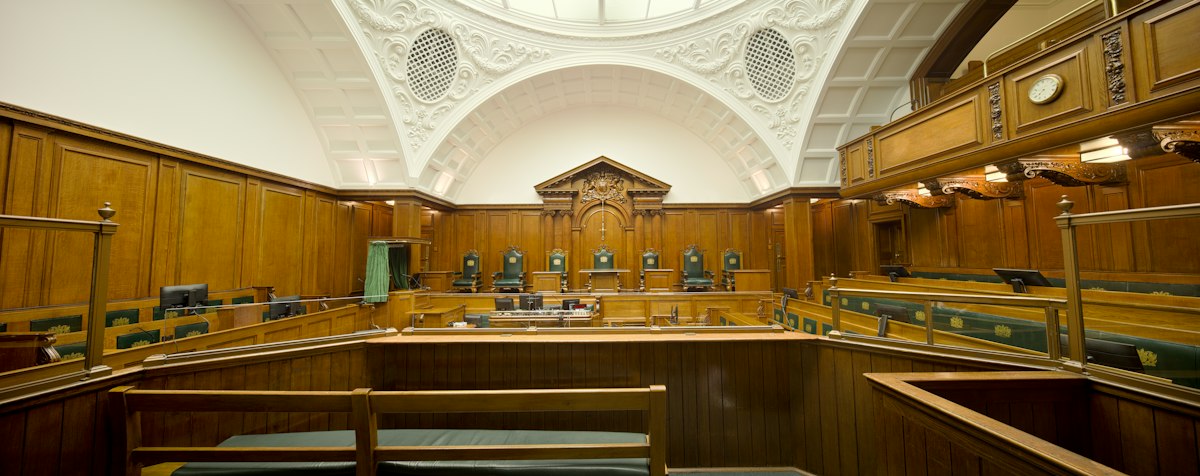
The Justice Department dropped its challenge to a court ruling that struck down the Trump administration's wind energy ban.
Trump Admin Abandons Wind energy legal battles
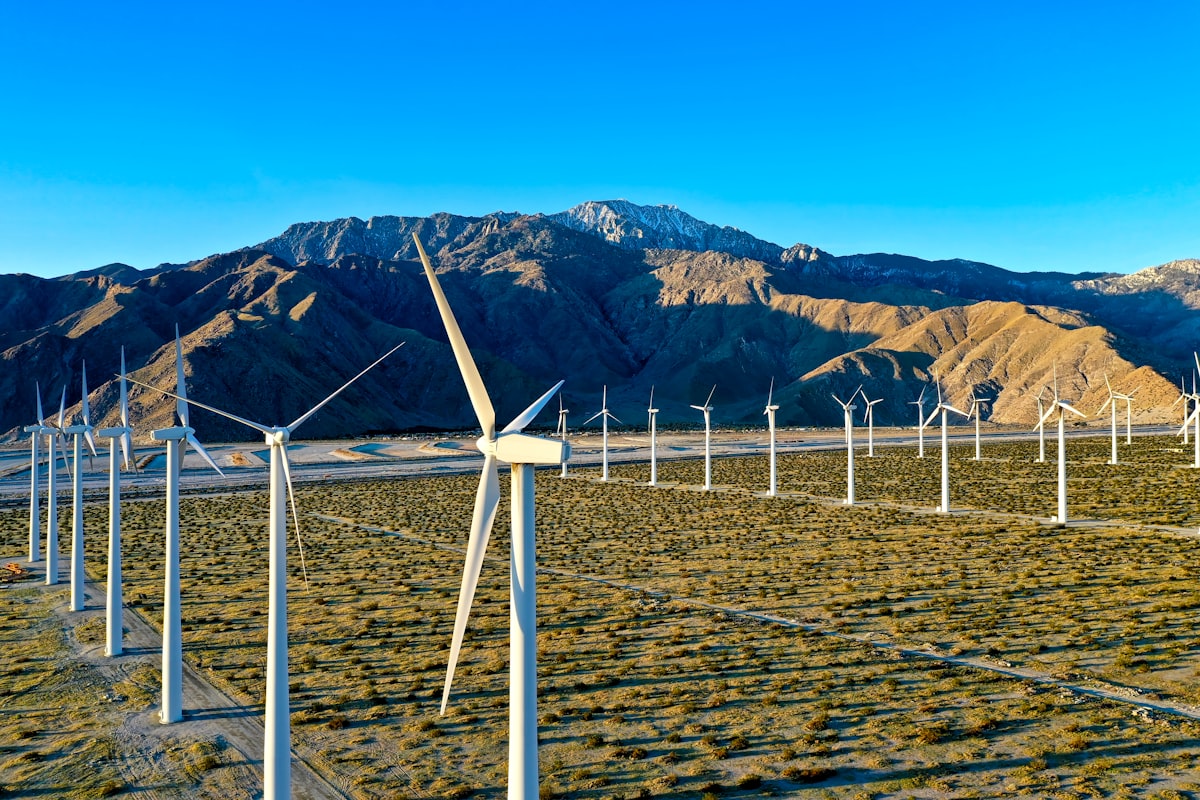
The Trump admin abandoned its fight. It won’t stall wind energy projects across the United States anymore. But the Justice Department filed a motion on June 10, and the US Court of Appeals for the First Circuit officially dismissed the government appeal on Monday, so this decision ends the administration’s attempt to maintain a freeze on federal permitting and leasing for wind power infrastructure.
The legal fight began in May 2025, when a coalition of attorneys general from 17 states and Washington, DC, led by New York Attorney General Letitia James, challenged an executive order issued by the president. That order had placed a sweeping ban on wind projects. On December 8, 2025, US District Court Judge Patti Saris ruled the policy unlawful, describing the move as arbitrary and capricious while noting it exceeded the authority held by the executive office. The latest court action reinforces this earlier ruling.
Victory for the clean energy transition
State officials in the lawsuit see this withdrawal as a major win for the energy transition. So what's next? The path forward is defined by record growth and ongoing regulatory friction, and for developers and industry advocates, the shift provides a measure of clarity after months of administrative uncertainty. They're relieved. They finally have a more predictable environment.
Nancy Pyne supports the development. A senior advisor at the Sierra Club, she noted that renewable energy continues to expand despite consistent opposition from the White House. But it's not stopping progress.
While everyday Americans face soaring bills and unstable prices, renewable energy offers an affordable, common sense solution to lower costs and protect our health and our environment.
The state of the project pipeline
Clean power production is surging. Developers face plenty of policy hurdles, but current projections show that 79.7 GW of clean power could come online in 2026, following a record-breaking 2025 when the industry added 51.6 GW of capacity, roughly 25 Hoover Dams' worth. Still, it's not without losses. Roughly 8 GW of clean energy projects faced cancellation in the first quarter of the year.
Key statistics on energy growth
- Total planned or under-construction clean energy capacity sits at 222 GW.
- Developers have announced plans to invest an estimated $377 billion in projects through 2031.
- Solar and battery storage make up 85 percent of the current planned pipeline.
- Natural gas capacity under construction reached 65.5 GW by the end of Q1 2026.
The rise of natural gas
Wind and solar keep growing. But fossil fuel investment is surging too, with planned natural gas capacity jumping by 20.7 gigawatts between the end of 2025 and the first quarter of 2026. That's a massive spike. This growth rate is more than four times the combined expansion of solar, storage, and onshore wind over the exact same period , we can't ignore it.
Jon Gordon, a senior policy director at Advanced Energy United, described this trend as concerning. But he argued the surge in gas infrastructure is tied directly to federal policy, which has created roadblocks for renewables while providing incentives for fossil fuel generation. These new plants will likely remain in service for three decades or more, locking in specific energy sources for the long term, he warned. It's a problem.
Navigating regulatory shifts
The legal landscape for developers is volatile. Just one week before the appeal was dropped, the US District Court for the District of Columbia overturned an August 2025 Treasury rule that had made it difficult for developers to qualify for tax credits by changing how they verified spending, so it's back in the IRS's hands. But Judge Colleen Kollar-Kotelly ruled the administration failed to provide a sound reason for the change, sending the matter for reconsideration.
David Villagrana, lead counsel for clean energy tax solutions at the Environmental Defense Fund, noted that the administration has used administrative measures to delay projects. That's a fundamental problem. But the industry thrives on consistency, and the current administration has failed to provide it, which he sees as a deep-seated issue that undermines long-term planning and investment. He welcomed the court decision regarding tax credits. However, he cautioned that the government might still attempt to appeal that outcome, so we can't breathe easy yet.
Geography and clean energy
Economic factors may play a larger role in energy expansion than political sentiment. But here's the reality: 80 percent of the nation's clean power capacity is situated in congressional districts represented by Republicans. Texas leads. It holds 164 GW of capacity, significantly outpacing California, which only has 83 GW.
Abe Silverman, an assistant research scholar at the Ralph O'Connor Sustainable Energy Institute at Johns Hopkins University, suggested that land costs and density are primary drivers for this distribution. Developers are hunting for the most efficient places to build. They're focusing on low land costs and existing interconnection policies. So it's not really about political alignment at all.
Frequently Asked Questions
What legal action did the Trump administration abandon regarding wind energy?
The Trump administration abandoned its appeal to maintain a freeze on federal permitting and leasing for wind power infrastructure. The US Court of Appeals for the First Circuit officially dismissed the government appeal on Monday, ending the administration's attempt to stall wind energy projects.
Why did the court rule against the president's executive order banning wind projects?
The US District Court Judge Patti Saris ruled the policy unlawful, describing the move as arbitrary and capricious. She noted it exceeded the authority held by the executive office.
How much clean energy capacity is projected to come online in 2026, and what was added in 2025?
Current projections show that 79.7 GW of clean power could come online in 2026, following a record-breaking 2025 when the industry added 51.6 GW of capacity. This is roughly equivalent to 25 Hoover Dams' worth of capacity.
Who led the coalition of states challenging the executive order on wind energy?
The coalition was led by New York Attorney General Letitia James, along with attorneys general from 17 states and Washington, DC. They challenged the executive order that placed a sweeping ban on wind projects.
What concern did Jon Gordon raise about the surge in natural gas capacity?
Jon Gordon, a senior policy director at Advanced Energy United, described the surge in natural gas infrastructure as concerning. He warned that these new plants will likely remain in service for three decades or more, locking in specific energy sources for the long term.

Alexander Meyer reports on technology policy, privacy law and the growing role of regulation in the digital economy. He tracks how lawmakers respond to a fast-changing industry.
💬 Comments (0)
No comments yet. Be the first!