How to Get Teacher Misconduct Complaints in California
A journalist explains how parents can request teacher misconduct complaints from California school districts—and what obstacles to expect.

Teacher misconduct complaints are hidden in plain sight across California right now, and you have every right to see them. Most people do not know this. Most school districts count on that.
The Hidden Paper Trail
I learned this lesson the hard way in 2021. A Bay Area elementary teacher named Joseph Brian Houg was sentenced to more than three decades in prison for sexually abusing 10 students. He had taught at the same school for over twenty years. Parents on social media said they had complained to administrators for years.
So I did something anyone can do. I filed a public records request with the school.
Within a few months, I received 43 pages of records. They showed parents had reported Houg to the principal at least four times since 2009. The complaints included asking students to strip to their underwear for costume fittings and coming into their changing room. Parents also reported him touching boys' chests, stomachs, and tapping one boy on the butt.
The Principal Knew
The records revealed the principal had twice warned Houg to stop touching students. He kept teaching anyway. The principal later said in a deposition that while Houg's actions crossed professional boundaries, they were not reported to her as sexual.
What The Law Actually Says
Here is the deal. Schools can release teacher misconduct complaints if they are substantiated or if teachers were disciplined. California law bars the teacher licensing agency from releasing disciplinary records to the public. But school districts? Different story. Those complaints are fair game.
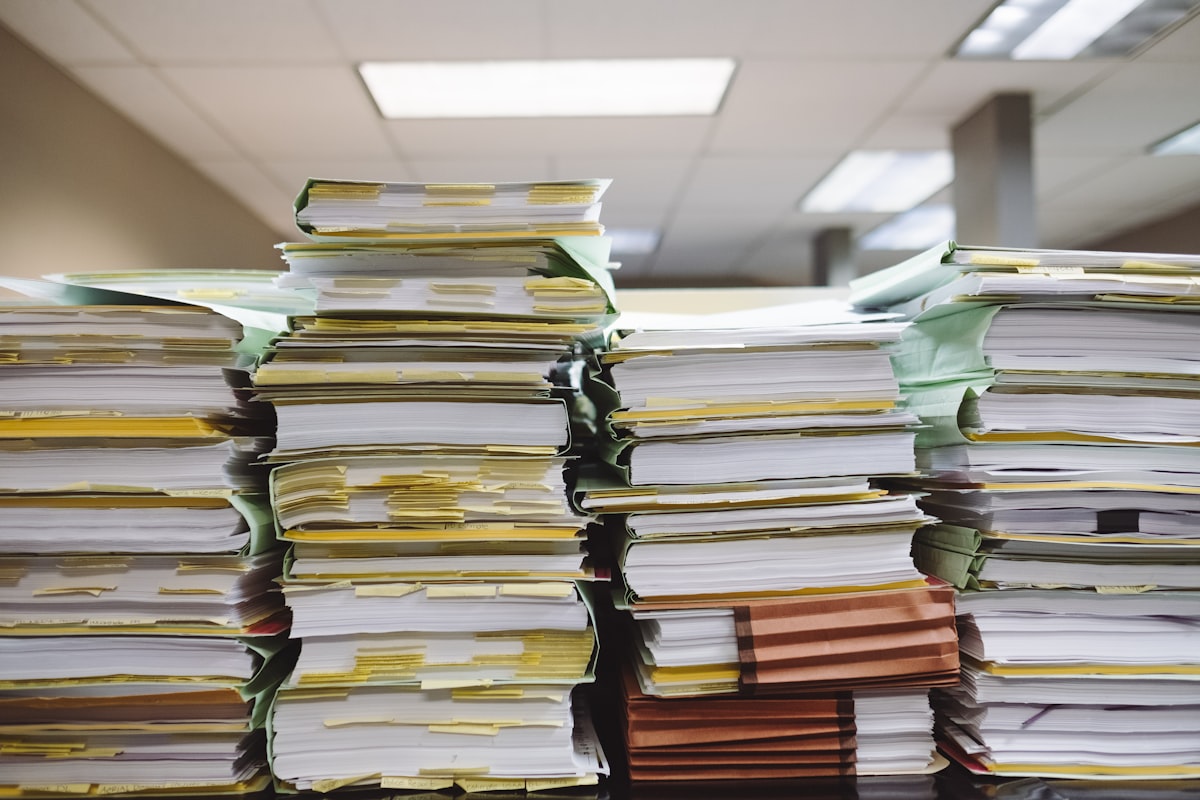
I requested records from the 300 largest school districts in California. I asked for teacher misconduct complaints made to schools in the five previous years. I also asked for reports schools are required to file with the state licensing agency when educators are fired or resign due to alleged misconduct.
Dozens of districts responded within two months. I began building a spreadsheet of teachers against whom complaints were raised.
The Basic Request Formula
You do not need a lawyer. You do not need a journalism degree. You need two things: know what to ask for, and know who to ask. Request complaints made to the school. Request reports sent to the state licensing agency. Both qualify as public records in many circumstances.
- Ask for complaints of teacher sexual misconduct made to the school in the last five years
- Ask for reports schools sent to the state teacher licensing agency when educators were fired or resigned due to alleged misconduct
- California law requires agencies to determine if they have records within 10 days
- Records from state disciplinary hearings are presumed public when teachers appeal
When Districts Drag Their Feet
California requires public agencies to determine whether they have records within 10 days and to release them promptly. Most dragged their feet. When schools stopped responding, I copied school board members and attorneys on my emails, citing the law. That got the ball rolling.
Los Angeles Unified, the largest school district in California, still has not released any records. Instead, the district said it would charge me $8,000. That breaks down to $100 an hour for 80 hours of work to review approximately 2,500 potentially responsive personnel files.
A Los Angeles Unified spokesperson told me in a written statement that its policies balance the public's right to access records with "responsible stewardship of public resources" and the law.
The First Amendment Coalition, a California nonprofit that advocates for free speech and government transparency, is representing the author in a lawsuit filed in May arguing the district is violating public records laws with its refusal.
Teachers Can Push Back
Districts typically notify teachers before releasing teacher misconduct complaints. This gives them a chance to block the release. One former teacher who was criminally charged with sexually abusing students in 2024 sued to block the release of complaints made against him at two school districts. It took nine months to get those records. We won, but the delay was brutal.
At least four teachers contacted me directly. They wanted to know why I was requesting their disciplinary records. One asked me to retract my request. Another sent a 1,700-word email saying the allegations were only partially true and lamented he did not have the money to defend himself. I did not.
The Secret Portal Nobody Talks About
Here is the loophole. If you cannot get records from one agency, the answers may exist somewhere else. Records of state disciplinary hearings are presumed public when teachers object to their dismissals or appeal the suspension or revocation of their licenses.
Those records live in the Department of General Services. This state agency houses another agency responsible for administrative hearings of public employees. I requested records about a Bay Area math teacher who had been fired for sexually harassing high school students. He went on to teach at two more schools. This happened even after an independent panel deemed him unfit to teach.
Because he asked for an outside hearing, I requested those records. I got them the next day.
Getting a response from the Department of General Services was like discovering a secret portal to obtaining records quickly and easily.
So I requested five years' worth of decisions about other teachers from this agency. I obtained a gold mine of documents in less than a week. Teacher misconduct complaints that seemed buried were suddenly right in front of me.
Your Move
What seems to be secret is not always so. Sometimes you just need to know who to ask, and for what. School districts bank on you not knowing your rights. Now you do.
If a school near you has a teacher with a history, the records are probably sitting in a folder waiting for a request. File it. Be patient. And if they stall, copy the school board. Cite the law. It works more often than you would think.
Frequently Asked Questions
What are teacher misconduct complaints and where can they be obtained in California?
Teacher misconduct complaints are records of allegations made against teachers, which school districts can release if they are substantiated or if teachers were disciplined. While California law bars the teacher licensing agency from releasing disciplinary records to the public, school districts are required to release those complaints as public records upon request.
Why might school districts drag their feet when responding to requests for teacher misconduct complaints?
The article notes that most school districts dragged their feet when responding to public records requests, despite California law requiring agencies to determine whether they have records within 10 days and release them promptly. Los Angeles Unified even said it would charge $8,000 to review approximately 2,500 potentially responsive personnel files, citing a balance between public access and responsible stewardship of resources.
How can someone file a public records request to obtain teacher misconduct complaints?
You do not need a lawyer or a journalism degree; you need to know what to ask for and who to ask. Request complaints made to the school in the last five years, and also request reports schools sent to the state teacher licensing agency when educators were fired or resigned due to alleged misconduct.
When a school district delays or refuses to release teacher misconduct complaints, what practical steps can be taken?
If a school district stops responding, you can copy school board members and attorneys on your emails and cite the law, which often gets the ball rolling. The article also mentions that if you cannot get records from one agency, you can try the Department of General Services, which holds records of state disciplinary hearings that are presumed public when teachers appeal.
Who can potentially block the release of teacher misconduct complaints, and what happened in one example?
Districts typically notify teachers before releasing complaints, giving them a chance to block the release. In one case, a former teacher criminally charged with sexually abusing students in 2024 sued to block the release of complaints against him at two school districts, leading to a nine-month delay before the records were obtained.

Valerie Dubois covers public policy and regulation, with a focus on how decisions made by governments affect technology and society. She follows the debates that shape the rules we all live by.
💬 Comments (0)
No comments yet. Be the first!