SNAP Benefit Cuts Impact Children
Analysis shows over 770,000 children have lost SNAP benefits following federal program changes, leading to increased demand at food banks.

SNAP Benefit Cuts Hit Children Hardest
SNAP benefit cuts have hit hard. At least 776,000 children lost access to food assistance across 12 states that report age-disaggregated data, according to an analysis of program participation figures. That's a huge number. The reduction represents 46 percent of the 1.67 million total people who have left the program in those states since the legislation was signed into law. But the scale of the loss among minors has become a central point of contention between lawmakers who defended the bill as protecting vulnerable populations and critics who say the implementation has produced unintended consequences. It's a mess.
The Policy Gap Between Intent and Outcome
Republican sponsors repeatedly assured colleagues that children would not be affected. They said it during House committee debate on the bill. Representative Glenn Thompson of Pennsylvania, chair of the House Agriculture Committee, claimed the reforms would preserve SNAP for “the most vulnerable among us, including children.” Representative Dusty Johnson of South Dakota stated bluntly: “If you have young children at home, your benefits are unaffected by this bill.” But the data tells a different story.
The Mechanics of Disenrollment
Experts point to increased paperwork requirements and administrative burdens. It's a real problem. States must now impose work requirements for most adult recipients while preparing for two major cost shifts that will fundamentally reshape how they fund and run these programs. In October, states will begin covering 75 percent of program administrative costs, up from 50 percent. But starting October 2027, states will pay a larger share of SNAP benefits based on their error rates, which reflect overpayments or underpayments largely described by the USDA as unintentional. “If a state agency is facing staffing shortages and struggling to comply with new regulations, it will be harder for low-income families to access the benefits,” said Katie Bergh, a senior policy analyst at the Center on Budget and Policy Priorities. Families are falling through the cracks.
State-Level Disparities Emerge
Arizona's decline is staggering. Since July 2025, 205,223 children have lost SNAP benefits there, a 55 percent drop that marks the largest percentage decrease among all reporting states. Louisiana followed with a 22 percent decline. But Massachusetts tells a different story: the share of SNAP applicants who called an assistance line and couldn't reach a worker jumped from 61 percent in November to nearly 81 percent in March, per the state Department of Transitional Assistance. These numbers show one thing clearly. Implementation challenges vary by state, and it's administrative capacity and policy choices that shape who stays on the rolls.
“Families are falling through the cracks,” said Katie Bergh, senior policy analyst at the Center on Budget and Policy Priorities.
The Political Debate Over Numbers
Secretary of Agriculture Brooke Rollins disputed those child impact figures. It got tense. Representative Jim McGovern of Massachusetts noted that 700,000 children had lost benefits in 12 states, and his point was that the national total would likely reach millions. Rollins fired back. “The 700,000 number of children is not correct,” she said sharply, contending that most people removed from SNAP were “fraudulent” and describing the Center on Budget and Policy Priorities as “not a nonpartisan group.” But ProPublica independently verified the figures the center reported. McGovern countered that he had spoken with people who lost food assistance, telling Rollins, “These are people who actually need and rely on this food assistance to provide basic nutrition for their families.”
Market and Community Consequences
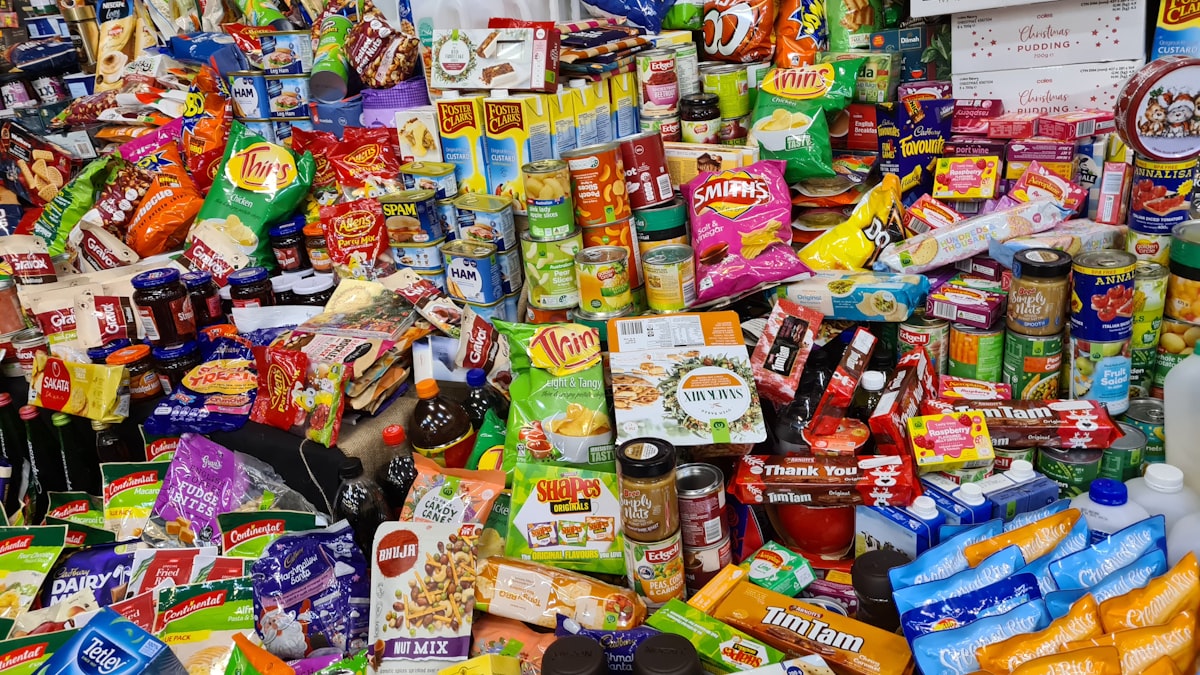
Food banks are absorbing increased demand. St. Mary's Food Bank in Arizona, the largest in the state, has seen a 15 percent increase in need this year, translating into 300,000 more visits from people seeking food. But Milt Liu, the chief executive officer, said it's important for everyone to realize that policies have implications for people on the edge, and we're seeing that in our line every day. The pressure on charitable organizations is likely to intensify as more families exhaust their SNAP benefits and turn to emergency food assistance.
“When children are not healthy, this affects children today and it affects them throughout their lifetimes,” said Mariana Chilton, an expert in child hunger at University of Massachusetts Amherst. She called the situation a “public health crisis” in the making.
Long-Term Cost Calculations
Parke Wilde, a food economist at Tufts University, observed that pressure to lower error rates “creates a temptation for the states to bump off working families.” Working families with volatile incomes may be particularly vulnerable to administrative errors. That’s a big problem. “When they say we want to preserve SNAP for those with the greatest need, they’re sort of acknowledging that they want the scale of the SNAP program to be smaller,” he said. But Mariana Chilton argued that a smaller program will not save money over time, since research shows children receiving SNAP are healthier, have better academic outcomes, use hospitals less often, and have better mental health as teenagers. She likened hunger during early childhood to a brain injury.
What the Numbers Mean for Implementation
- 4.3 million fewer people nationwide received SNAP in February 2026 compared to February 2025, leaving 37.8 million participants.
- Children account for 46 percent of disenrollment in reporting states, despite not being the intended target of legislative changes.
The Administrative Reality Ahead
Ana Alvarez, a single mother of five who works at a restaurant, lost her SNAP benefits in September. She reapplied in December but the application remains pending. The Arizona Department of Economic Security did not respond to questions about its backlog. As summer temperatures rise, Alvarez faces decisions about how to afford electricity, rent, and car payments while waiting for her application to be processed. Her experience reflects a broader pattern where the weight of administrative compliance shifts from government agencies to individual families. The SNAP benefit cuts have produced an outcome that legislative architects said would not happen, and the mechanisms for measuring and correcting this drift remain unclear.
Children account for 46 percent of disenrollment in reporting states, according to the article. This is despite not being the intended target of legislative changes. The gap arises because increased paperwork requirements and administrative burdens under the new legislation have led to children losing benefits. The article notes that states must impose work requirements and face cost shifts, making it harder for families to access benefits. Experts point to increased paperwork requirements and administrative burdens as key factors. Katie Bergh of the Center on Budget and Policy Priorities stated that staffing shortages and struggles to comply with new regulations make it harder for low-income families to access benefits, causing families to fall through the cracks. States will begin covering 75 percent of program administrative costs in October, up from 50 percent. Additionally, starting October 2027, states will pay a larger share of SNAP benefits based on their error rates. Secretary of Agriculture Brooke Rollins disputed the child impact figures, contending that most people removed from SNAP were 'fraudulent' and describing the Center on Budget and Policy Priorities as 'not a nonpartisan group.' However, ProPublica independently verified the figures the center reported.Frequently Asked Questions
What percentage of SNAP disenrollment in reporting states do children represent?
Why is there a gap between the legislative promise and the actual impact on children's SNAP benefits?
How have administrative changes led to children losing SNAP benefits according to experts?
When will states begin covering a larger share of SNAP administrative costs?
Who disputed the child impact figures and what was their reasoning?

Valerie Dubois covers public policy and regulation, with a focus on how decisions made by governments affect technology and society. She follows the debates that shape the rules we all live by.
💬 Comments (0)
No comments yet. Be the first!