Raw Milk Industry Challenges Safety Regulations
Despite repeated recalls and pathogen findings, Raw Farm continues to scale operations amid evolving food safety policies.
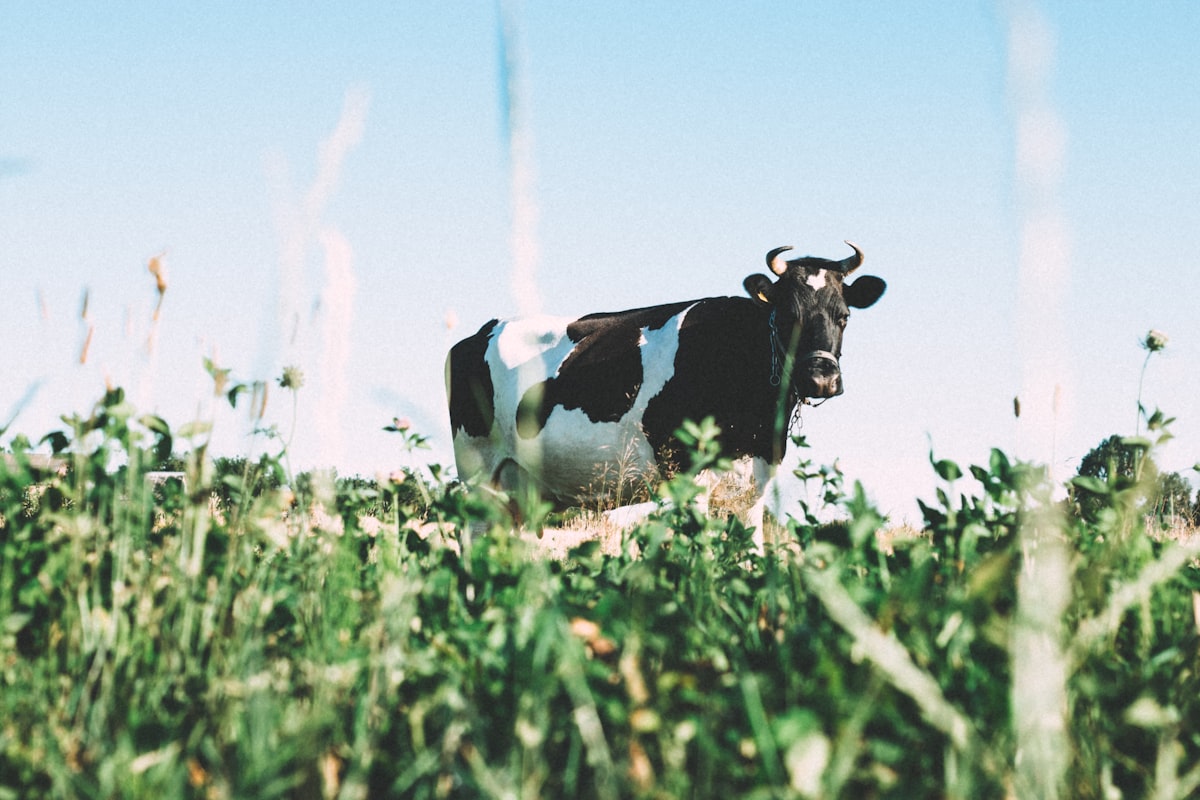
Raw milk industry faces growing scrutiny
Raw milk has shifted from a niche interest into a powerful movement. It's fueled by political shifts and a deep-seated suspicion toward major health institutions, but the surge in demand is colliding with the inherent realities of consuming unpasteurized dairy. And proponents celebrate it as a path to wellness. That's a mistake. Despite stringent testing efforts, the risk of contamination from dangerous bacteria remains a persistent threat, and we can't ignore it.
The rise of unpasteurized dairy
Mark McAfee founded the largest raw milk dairy in the United States. It's a business pulling in roughly 30 million dollars in annual revenue, and his farm near Fresno, California, sits at the center of a much bigger debate about food freedom where supporters often see the product as a quiet act of defiance against industrialized food systems. But national weekly sales climbed 65 percent between 2023 and 2024. So the consumer base has clearly moved well beyond a fringe audience.
The appeal claims raw dairy can treat asthma. But scientific consensus says these products offer no nutritional advantages over pasteurized versions, and most experts warn that consuming unpasteurized milk carries over 100 times the risk of foodborne illness compared to standard options. It's especially problematic for children and the elderly, who are more susceptible to severe reactions.
The laboratory and the loophole
Inside the facility, workers screen batches for pathogens like salmonella and E. coli. When a positive result occurs, the management team follows a specific protocol. Milk is not simply discarded. Instead, it is often repurposed for cheese production, based on the belief that the aging process mitigates risk. Research has shown that raw cheese is not inherently resistant to pathogens, yet the practice continues.
Beyond internal farm procedures, the legal environment has shifted in favor of these operations. High-level political figures have begun openly championing the industry. Robert F. Kennedy Jr. has used his platform to advocate for the expansion of raw milk availability, even celebrating its consumption at the White House. This political support provides a shield for producers who have historically clashed with federal regulators over safety standards.
Real world health consequences
Hospitals nationwide feel this industry's impact. But families often turn to these products hoping to solve health issues, only to find themselves facing medical crises that can spiral into emergencies. It's devastating.
Documented risks of raw milk
- Pathogens like salmonella and E. coli regularly contaminate unpasteurized supplies.
- Outbreaks have historically caused illness in hundreds of people, according to regulatory data.
- Microscopic flecks of feces can introduce bacteria during the milking process.
- Federal regulators have previously warned producers about the dangers of using contaminated milk for cheese.
"I have put a couple kids in the hospital, and they have been sick, but they recovered. But here is the thing. I am a pioneer. And I am going against the grain here. I am climbing a mountain they say you cannot climb."
That quote, attributed to Mark McAfee, perfectly captures the deep tension simmering between the raw milk industry and public health authorities who see these farms as a persistent threat. But it's not that simple. He frames his work as an act of discovery, not a violation of safety norms. Meanwhile, health officials continue to monitor outbreaks linked to these farms, though their ability to enforce regulations remains a point of contention they can't easily resolve.
The future of food freedom
Legislative changes have allowed the sale of raw dairy in many states. So this effectively widens access despite the known dangers, and as more consumers join the movement, the public health community faces the challenge of addressing a trend that views traditional safety standards as an obstacle rather than a necessity. It's a tough spot. But we can't ignore the risks.
The path forward remains uncertain. With political momentum behind the industry, the focus is shifting from suppression to broader public acceptance. Whether this trajectory will lead to safer practices or increased hospitalizations remains the central question for those watching the raw milk industry from the inside.
Frequently Asked Questions
What safety risk does the article identify as a persistent threat for raw milk?
The article states that despite stringent testing efforts, the risk of contamination from dangerous bacteria like salmonella and E. coli remains a persistent threat. It also notes that consuming unpasteurized milk carries over 100 times the risk of foodborne illness compared to standard pasteurized options.
Why does the article argue that consuming raw milk is a mistake despite its popularity?
The article argues that proponents celebrate raw milk as a path to wellness, but scientific consensus says these products offer no nutritional advantages over pasteurized versions. Most experts warn that the risk of foodborne illness is significantly higher, especially for children and the elderly who are more susceptible to severe reactions.
How does the raw milk dairy in the article handle batches that test positive for pathogens?
When a batch tests positive for pathogens like salmonella or E. coli, the milk is not simply discarded. Instead, it is often repurposed for cheese production, based on the belief that the aging process mitigates risk, though research has shown raw cheese is not inherently resistant to pathogens.
Who is Mark McAfee and what does the article quote him as saying about his work?
Mark McAfee founded the largest raw milk dairy in the United States, with annual revenue of roughly $30 million. He is quoted as saying, "I have put a couple kids in the hospital... But here is the thing. I am a pioneer. And I am going against the grain here. I am climbing a mountain they say you cannot climb."
What legislative change has affected the raw milk industry according to the article?
The article states that legislative changes have allowed the sale of raw dairy in many states, widening access despite known dangers. It notes that with political momentum behind the industry, the focus is shifting from suppression to broader public acceptance.

Valerie Dubois covers public policy and regulation, with a focus on how decisions made by governments affect technology and society. She follows the debates that shape the rules we all live by.
💬 Comments (0)
No comments yet. Be the first!