FTC Meta antitrust trial Begins
The landmark FTC Meta antitrust trial begins, focusing on whether acquisitions of Instagram and WhatsApp crushed competition.

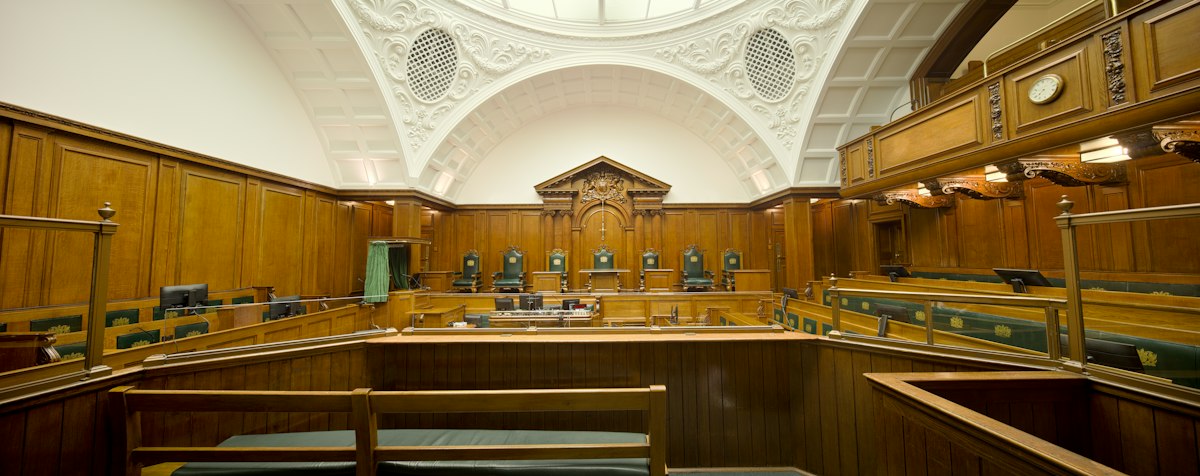
FTC Meta antitrust trial begins in federal court
The FTC Meta antitrust trial has begun. It's a huge moment in the government's attempt to reshape the reach of the social media giant, with lawyers for the federal agency now facing off against the company's legal team in a high-stakes courtroom battle. So the core question is simple: did Meta engage in illegal practices to kill competition and lock in its dominance? It's about the digital marketplace. And this fight won't be short or easy , but we've seen this before.
The core argument against the firm
Government attorneys are focusing their case on the strategy the company employed to acquire potential challengers. They argue these acquisitions weren't simply about growth. But they were calculated moves to neutralize threats before those challengers could gain enough momentum to compete effectively in the marketplace. So the legal team claims that by bringing smaller entities into its ecosystem, the company successfully stunted innovation that would have otherwise occurred in a more open market. It's a clear argument.

This approach has been under scrutiny for years. Regulators contend the firm saw new platforms rising, chose to buy them rather than compete directly, and they argue this violates antitrust laws and harms the users who rely on these services. But it's not that simple.
The company defense strategy
Defenders of the tech giant argue its growth stems from genuine innovation and real value for its global user base. They reject claims that acquisitions were meant to stifle competition. But the firm insists these deals were pro-competitive, allowing it to integrate features users wanted while delivering better services than competitors ever could. It's a simple defense.
The company argues that its business decisions reflect a drive to improve the experience for people who use its platforms every day, not an attempt to block market entry for others.
Key elements of the government case
The trial scrutinizes the company's internal decision-making process, where regulators have pinpointed specific actions they claim reveal a clear pattern of anti-competitive behavior. But it's a detailed look at how they operate. Short and sharp. The government's case is built on key points, and they're examining each step carefully to prove their claims.
- Assertions that the company systematically identified and acquired emerging rivals to prevent them from becoming genuine threats.
- Claims that the firm used its position to control the flow of data and interaction in ways that made it difficult for smaller entities to succeed.
- Arguments that the lack of competition has led to a lower standard of privacy protections for users than what might exist in a more competitive environment.
The path ahead for the proceedings
It could last for weeks. Both sides will present evidence and call witnesses to testify, and the judge presiding over the case will ultimately determine whether the company's actions violated existing law. But a ruling against the firm might lead to major changes. The exact nature of any remedy remains a matter for the court to decide at a later date.
This FTC Meta antitrust trial is one of the most intense efforts by regulators to rein in the power of modern technology firms. Watch closely. Observers are studying how the court interprets these actions, and the outcome may set a precedent for how future mergers and acquisitions in the tech sector are viewed by federal authorities.
The stakes are high. But if the government succeeds, it could fundamentally change the company's business model, and many experts note that everyone involved has something important to lose or gain here, though the outcome's impact on the company's future remains uncertain. Should the firm prevail, it'd likely continue its current operations with a sense of renewed legal validation. So for now, the courtroom remains the only place where these questions will be settled.
Frequently Asked Questions
What is the core question at the center of the FTC Meta antitrust trial?
The core question is whether Meta engaged in illegal practices to kill competition and lock in its dominance. The trial examines if the company's acquisitions were calculated moves to neutralize threats before they could compete effectively.
Why does the government argue that Meta's acquisitions were anticompetitive?
The government argues that Meta's acquisitions were not simply about growth but were calculated moves to neutralize potential challengers. By buying smaller entities, the company stunted innovation that would have occurred in a more open market, which violates antitrust laws.
How does Meta defend its acquisition strategy in the trial?
Meta defends its strategy by arguing that its growth stems from genuine innovation and real value for users. The company insists its acquisitions were pro-competitive, allowing it to integrate features users wanted while delivering better services.
What are three key elements of the government's case against Meta?
The government's case includes assertions that Meta systematically identified and acquired emerging rivals to prevent them from becoming threats. It also claims the firm controlled data and interaction flows to hinder smaller competitors, and that lack of competition led to lower privacy protections for users.
What could be the potential outcome if the court rules against Meta?
If the court rules against Meta, it could lead to major changes and fundamentally alter the company's business model. The exact nature of any remedy would be decided by the court at a later date, and the outcome may set a precedent for future tech sector mergers.

Alexander Meyer reports on technology policy, privacy law and the growing role of regulation in the digital economy. He tracks how lawmakers respond to a fast-changing industry.
💬 Comments (0)
No comments yet. Be the first!