Trained Immunity: Vaccines May Shield Brain From Dementia
The trained immunity hypothesis offers a new explanation for why routine vaccines like shingles and flu are linked to lower dementia risk.
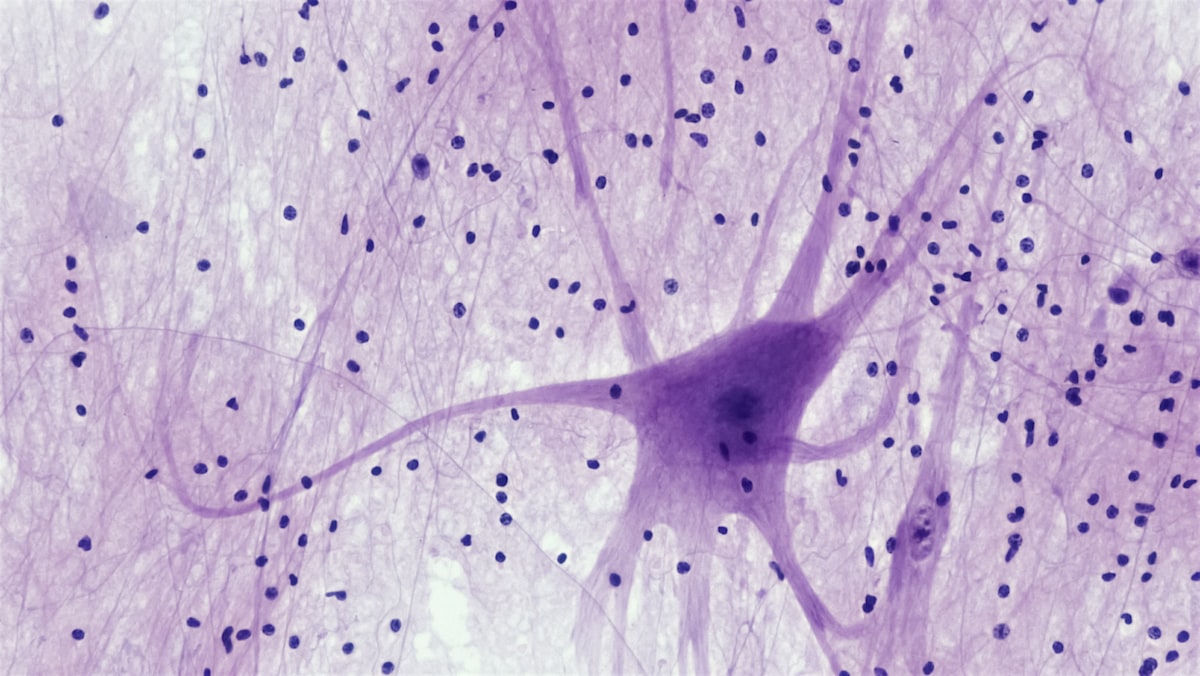
Trained immunity could explain why routine vaccines lower dementia risk
Trained immunity is a relatively young concept in immunology. But it may hold the key to understanding a startling pattern that has emerged from large population studies: people who get routine vaccines appear to have lower risks of dementia. That's startling. Researchers are now piecing together a hypothesis that links these two observations, and the implications could reshape how we think about both vaccination and brain health.
It's been building for years. We've seen evidence tying vaccines for shingles, seasonal flu, RSV, tetanus-diphtheria-pertussis (Tdap), pneumococcal infections, hepatitis A and B, and even typhoid to lower dementia rates. Shingles vaccine's link is strongest. Fresh data supports that. But the big question has always been: how do vaccines designed to fight specific germs end up protecting the brain?
For a long time, the leading explanation was straightforward. Vaccines prevent infections, and infections can trigger inflammation in the brain. Over time, unchecked inflammation might lead to cognitive decline. That hypothesis works especially well for the shingles vaccine. The virus behind shingles hides in nerve cells after a chickenpox infection and can reactivate when the immune system weakens, often in older age. A reactivation could send inflammatory signals into the brain. Block that reactivation with a vaccine, and you may block a pathway to dementia.
But not every vaccine linked to lower dementia risk fits that neat story. The seasonal flu shot, for instance, seems to protect the brain, yet the flu virus does not hide in nerve cells the way the varicella-zoster virus does. Something else must be going on.
What trained immunity actually is
To understand the new hypothesis, you have to step back and look at how the immune system's organized. It's split into two branches. But the adaptive immune system, the part that learns from vaccines in the usual way, involves T cells and antibody-producing B cells that recognize specific pathogens and remember them for years. That's the trainable part.
The other branch is the innate immune system. It acts fast and generically. Skin, mucous, stomach acid, and white blood cells that gobble up anything foreign all belong here. For decades, scientists thought this system was static. It did not learn. It did not remember. It just responded the same way every time.
That view changed in 2011. Researchers coined the term trained immunity after observing innate immune cells primed by past exposures, and after a germ encounter they undergo epigenetic changes that alter gene reading via chemical tags without changing DNA sequence. Some pro-inflammatory genes become more active, making the cells react faster and harder the next time they see the same germ signal. But those epigenetic changes stick around, creating a form of memory that didn't fit the old textbook.
The experiment that proved trained immunity is real
The concept gained traction with an experiment in 2012. Researchers in the Netherlands studied mice that had been genetically engineered to lack all adaptive immune cells. No T cells, no B cells. Then they vaccinated those mice with the Bacillus Calmette-Guérin (BCG) vaccine, which was originally developed to protect against tuberculosis. The idea was to see if innate responses alone could be trained.
It worked. The vaccinated mice showed stronger innate protection not only against Mycobacterium tuberculosis but also against an unrelated yeast called Candida albicans. The same researchers then looked at blood samples from healthy human volunteers before and after they received the BCG shot. After vaccination, the volunteers’ immune cells produced stronger pro-inflammatory signals when exposed to M. tuberculosis, C. albicans, and even the bacterial pathogen Staphylococcus aureus. That suggested trained immunity could happen in people, too. The study was published in PNAS.
It's a real biological phenomenon. Since then, a body of evidence has built up supporting trained immunity as a real biological phenomenon, and in recent years that evidence has collided with the dementia vaccine studies.
The vaccines already linked to lower dementia risk
Large population studies have repeatedly found lower rates of dementia among people who received certain routine vaccines. Here is a list of those vaccines as reported in the source:
- Shingles (varicella-zoster) vaccine
- Seasonal influenza (flu) vaccine
- RSV vaccine
- Tetanus, diphtheria, and pertussis (Tdap) vaccine
- Pneumococcal vaccine
- Hepatitis A and B vaccines
- Typhoid vaccine
- BCG vaccine (for tuberculosis)
A 2023 study specifically tied the BCG vaccine to a significantly lower risk of dementia. In March of this year, a group of vaccine researchers led by Justin Devine in Belgium and South Africa pulled together all the data, including the BCG work, and published a hypothesis in Frontiers in Immunology. Their central idea: trained immunity from vaccines could be the mechanism behind the reduced dementia risk.
How trained immunity might keep the brain safe
The hypothesis takes aim at the role of neuro-inflammation in dementia, and it's a known risk factor for cognitive decline when that inflammation is chronic or excessive, but Devine and his colleagues argue that trained immunity, through epigenetic reprogramming of innate immune cells, could counterbalance that inflammation. But they argue it could.
“A central element in this immunological model is that uncontrolled or excessive levels of neuro-inflammation, associated with elevated dementia risk, can be counteracted by epigenetic reprogramming of innate immune cells,” they write.
They're nonspecific changes. Fewer pathogens slip through, so inflammatory flare-ups in the brain drop. But these changes vaccines trigger in innate immune cells might help keep both targeted and non-targeted pathogens in check, and it's this that could explain why vaccines targeting completely different germs seem to offer protection.
But there is a catch. This is still just a hypothesis. The researchers themselves acknowledge that a lot more work is needed to prove the connection.
A dose-dependent clue from the flu shot
Evidence adds weight to the idea. Last month, a large retrospective study found that older patients who received high-dose seasonal flu shots had even lower risks of dementia than those who got standard doses. That dose-dependent response fits with the trained immunity model because a stronger vaccine stimulus could produce a stronger, longer-lasting epigenetic effect. But the authors didn't speculate on mechanisms; they called for more research into trained immunity as a possible explanation.
It's a serious push. So Devine and his co-authors write that understanding the mechanisms behind these promising observations could open new avenues to promote healthy aging through vaccination and could be important for alleviating the global burden of dementia.
Trained immunity is no longer a fringe idea. It has been demonstrated in the lab, supported by epidemiological data, and now offers a plausible link between vaccines and brain health. Whether that link holds up under rigorous testing will determine if we have stumbled onto a new way to protect the aging brain. But for now, the hypothesis is both surprising and promising.
Frequently Asked Questions
What is trained immunity according to the article?
Trained immunity is a concept coined in 2011 where innate immune cells are primed by past exposures, undergoing epigenetic changes that alter gene reading without changing DNA sequence. These changes make the cells react faster and harder the next time they see the same germ signal, creating a form of memory.
How does the trained immunity hypothesis explain why vaccines may lower dementia risk?
The hypothesis argues that trained immunity from vaccines could counterbalance neuro-inflammation, a known risk factor for cognitive decline. By epigenetic reprogramming of innate immune cells, vaccines may keep both targeted and non-targeted pathogens in check, reducing inflammatory flare-ups in the brain.
Which vaccine showed a dose-dependent response in reducing dementia risk, and why does that support the trained immunity model?
A large retrospective study found that older patients who received high-dose seasonal flu shots had even lower risks of dementia than those who got standard doses. This fits the trained immunity model because a stronger vaccine stimulus could produce a stronger, longer-lasting epigenetic effect.
When was trained immunity first demonstrated in a lab experiment, and what did that experiment involve?
In 2012, researchers in the Netherlands vaccinated mice lacking all adaptive immune cells with the BCG vaccine. The mice showed stronger innate protection against not only Mycobacterium tuberculosis but also an unrelated yeast, and human volunteers' immune cells produced stronger pro-inflammatory signals after BCG vaccination.
According to the article, which researchers published the trained immunity and dementia hypothesis in March?
A group of vaccine researchers led by Justin Devine in Belgium and South Africa published the hypothesis in Frontiers in Immunology. Their central idea is that trained immunity from vaccines could be the mechanism behind the reduced dementia risk.

Sarah Jenkins covers health and medicine, translating new research into clear, practical reporting. She focuses on the science behind everyday wellbeing and the developments changing modern care.
💬 Comments (0)
No comments yet. Be the first!