Restoring Vancomycin's Market Viability
A breakthrough using the pghi-4 molecule aims to restore vancomycin effectiveness against resistant superbugs like E. faecium.
Restoring Vancomycin to its former efficacy is a subtle but powerful shift in how clinicians approach the escalating crisis of drug resistance. It's a clever tactic. Rather than chasing entirely new chemical entities, current strategy favors the use of companion molecules that force bacteria to drop their defenses, so scientists have found a way to breathe life back into older, reliable treatments by targeting the enzymes that allow pathogens to survive. But this move sits within a broader pattern of reevaluating existing drug classes through the lens of modern molecular biology.
Reviving Old Chemistry
The pharmaceutical industry is moving away from the assumption that every solution must be a novel discovery. So researchers are focusing on antibiotic adjuvants instead. These are companion molecules that don't attack bacteria directly but strip away the protective mechanisms resistant organisms have developed over time. It's a smart shift. And by utilizing a technique known as diversity oriented clicking, they've created a library of compounds capable of inhibiting the enzymes that help bacteria evade standard treatments, effectively resetting the clock for drugs that have lost their frontline status due to the rise of superbugs.
Targeting The Bacterial Shield
At the center of this research is the inhibition of a specific enzyme called secreted antigen A, or SagA. Scientists block it with a small molecule named pghi-4. That's the key. By introducing this molecule, they make pathogens vulnerable to treatment again, and the efficacy of this combination was demonstrated in trials involving drug-resistant E. faecium. So when pghi-4 is paired with the antibiotic, the bacteria lose their ability to withstand the drug.
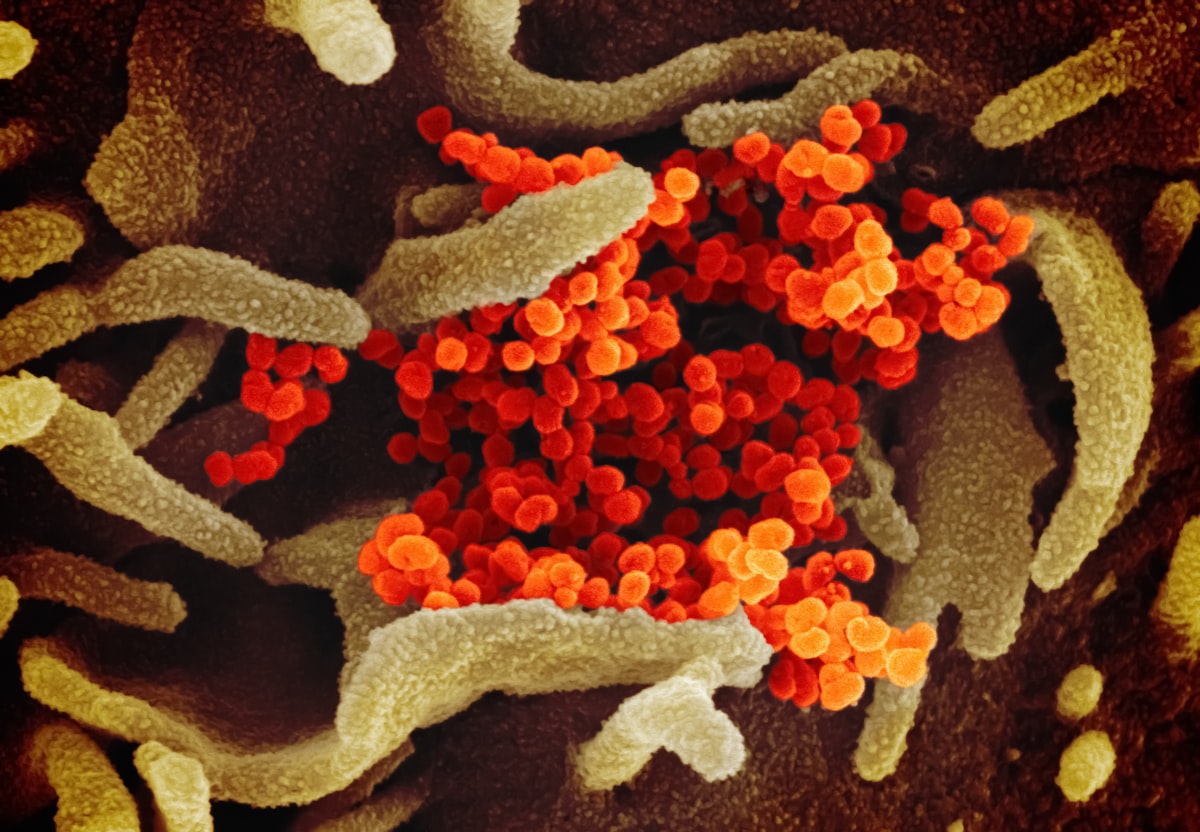
- The pghi-4 molecule was discovered in 2020.
- The research targeted the enzyme secreted antigen A.
- The process successfully restored the ability of vancomycin to kill resistant E. faecium.
- Researchers utilized a library containing more than 150 different compounds.
A Shift In Discovery Philosophy
The deeper question is positioning. Moving toward adjuvants lets us extend the life cycle of current medical assets, making resource use far more efficient without developing entirely new drugs from scratch. But this discovery came from fundamental chemical research, not a targeted hunt for a new antibiotic. So it confirms a simple truth: refining reaction development is a viable path for medical innovation.
This discovery came from fundamental chemical research. Reaction development led to the discovery of the first inhibitor of an important enzyme involved in antibiotic resistance. This is a process we're constantly refining to both keep our library of molecules up to date and add more for collaborators to take advantage of in their research," says Professor John Moses.
Expanding The Reach Of Adjuvants
Look at the wider sector. The potential applications for this strategy extend well beyond a single pathogen, since making molecular libraries available for broader scientific use allows the same techniques to be applied to other difficult infections like resistant forms of tuberculosis. But it's a smart move. This reflects a desire to use powerful, intelligent chemical reactions to build new molecules at a faster pace, and that's the key to avoiding the high costs and long timelines associated with building entirely new drug classes from scratch.
Future Clinical Implications
The transition reflects a tactical hospital pivot. But if these companion molecules can be successfully integrated into standard treatment protocols, the financial and public health strain of managing superbugs could be significantly reduced. They're treating the existing library of antibiotics as a core resource fortified with specific chemical inhibitors. The next phase will refine these molecules for further clinical use.
Looking ahead, the team intends to use their library of compounds to explore further treatments for resistant infections. It's a smart bet. But this strategy of restoring power to trusted drugs will likely become a primary focus for those looking to maximize the efficiency of current antibiotic stocks. We can't ignore reality. Progress depends on the ability to consistently identify inhibitors that can be paired with existing treatments, and the path forward is built on the reality that some of our most effective tools may already be on the shelf.
Frequently Asked Questions
What is the primary strategy described in the article for restoring vancomycin's efficacy?
The strategy involves using companion molecules called antibiotic adjuvants that inhibit enzymes allowing bacteria to survive, rather than developing entirely new drugs. This approach restores vancomycin's ability to kill resistant pathogens like E. faecium.
How does the molecule pghi-4 help restore vancomycin's effectiveness?
Pghi-4 inhibits the enzyme secreted antigen A (SagA), which bacteria use to evade treatment. When paired with vancomycin, it makes drug-resistant E. faecium vulnerable to the antibiotic again.
When was the pghi-4 molecule discovered, and what was the source of the research?
The pghi-4 molecule was discovered in 2020. The research came from fundamental chemical work on reaction development, not a targeted hunt for a new antibiotic.
Why is the shift toward antibiotic adjuvants considered efficient for the pharmaceutical industry?
The shift allows extending the life cycle of existing drugs without developing entirely new ones, making resource use more efficient. It also avoids the high costs and long timelines of creating new drug classes from scratch.
Who is the researcher mentioned in connection with the discovery, and what does he say about the process?
Professor John Moses is the researcher. He states that reaction development led to the discovery of the first inhibitor of an important enzyme involved in antibiotic resistance, and they constantly refine the process to update their molecular library for collaborators.

Sarah Jenkins covers health and medicine, translating new research into clear, practical reporting. She focuses on the science behind everyday wellbeing and the developments changing modern care.
💬 Comments (0)
No comments yet. Be the first!