RFK Jr. Handpicked Committee Endorses peptide approval
An FDA-organized committee, influenced by HHS Secretary RFK Jr., has voted to endorse lifting restrictions on peptide approval, despite ongoing safety and efficacy data gaps.
The path to wider peptide approval shifted dramatically this week. An FDA committee voted to recommend removing existing manufacturing restrictions, and this widely anticipated endorsement followed a sharply divided panel meeting on Thursday. Limits are now lifted on four specific peptides. But additional votes concerning three more substances are slated for today, even though the decision proceeds despite acknowledged gaps in evidence regarding the safety and effectiveness of these compounds. It's a big step.
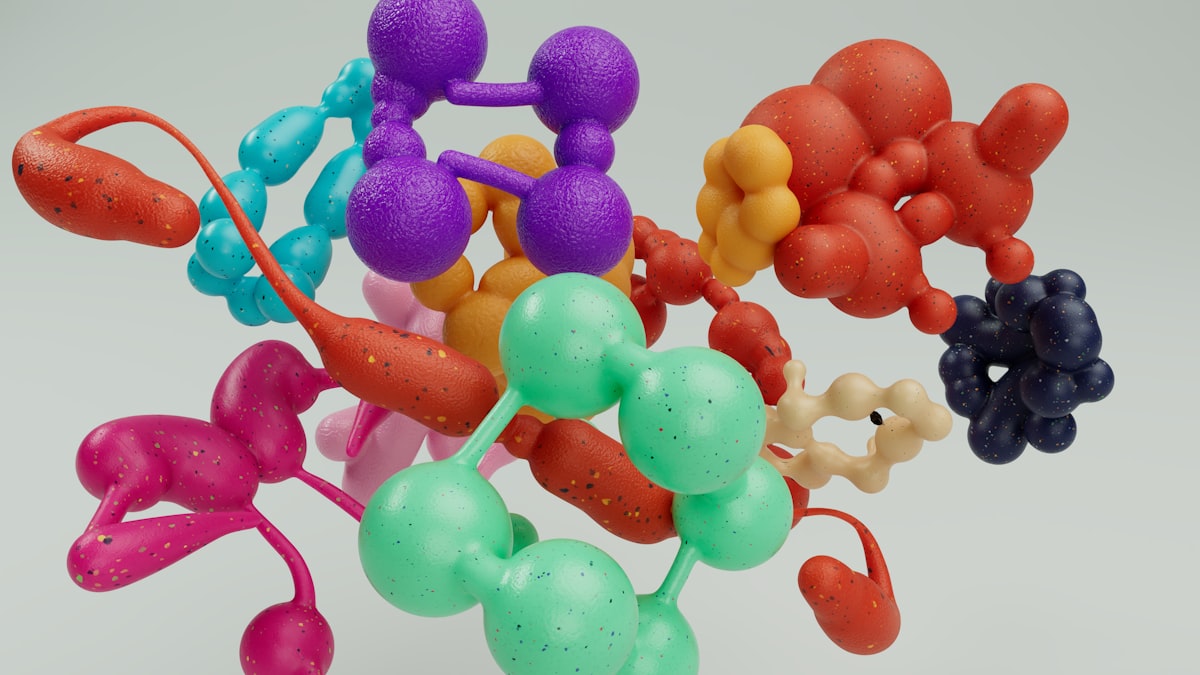
This development was not unforeseen, having been signaled months earlier by Health and Human Services Secretary Robert F. Kennedy Jr., a vocal peptide enthusiast. He has actively worked to steer policy in a direction that would facilitate this outcome. Peptides, like their larger counterparts, proteins, are fundamental biological molecules composed of amino acids linked together in a chain. Their distinction often lies in length; peptides typically contain 10-20 amino acids, whereas proteins can span hundreds or even thousands.
Understanding Peptides: A Complex Biology
The biological landscape of peptides is diverse and complex. It's messy. Some, like insulin, are precisely manufactured by the body through the targeted processing of larger proteins into shorter, active fragments, and these resulting peptides then interact with specific receptors, signaling cells in response to their levels. But many other peptides emerge from the intricate processes of biology, where larger proteins may break down in patterns that consistently yield stereotypical fragments.
These fragments are short and flexible. They can potentially bind to other proteins, triggering various physiological responses, but many others may simply undergo digestion and recycling within the body without eliciting any notable effect. Unraveling precisely how a specific peptide is formed and the full spectrum of downstream effects it initiates can often necessitate decades of rigorous research. Scientists might have data on what occurs when cultured cells are exposed to a peptide, yet they lack indications of its impact within an intact animal, and this evidentiary gap frequently marks the point where initially promising drug candidates ultimately fail to progress.
A Policy Shift Amidst Controversy
Secretary Kennedy openly embraces injection of various peptides. But he does so even without safety data, a stark contradiction to his concerns about the clearly defined proteins found in vaccines. Most peptide proponents just share anecdotes online. He's got immense power to turn his personal interest into federal policy, though.

Historically, the FDA has used its standard, stringent processes to approve peptides like insulin and newer weight loss drugs. But most other peptides can't enter the market. The pervasive lack of safety and efficacy data has largely blocked them, and the Biden administration had previously taken steps to stop their manufacture by compounding pharmacies, which specialize in creating custom medications.
Stacking the Deck for Approval
Upon Kennedy's announcement of his aim to overturn the ban, Beth Mole, a seasoned health reporter, astutely observed the potential for manipulation: "Outside experts and watchdogs suspect that before the first meeting in July, Kennedy will work to stack the advisory board with questionably qualified allies who will come with a predetermined decision to ease access to the drugs,no rigorous scientific evaluation needed." Events have unfolded precisely as predicted.
Last June, Kennedy strategically appointed new members to the advisory group. It wasn't subtle. With just one exception, these individuals possessed clear and direct interests in the manufacture and commercial sale of the very unapproved peptides under consideration. Yesterday, these recently appointed members cast the decisive votes required to overturn the ban. But all of the members who were part of the committee prior to Kennedy's appointments voted against this measure.
Missing Evidence: A Critical Concern
Secretary Kennedy promised that independent experts would evaluate each substance on its scientific merits using full clinical, pharmacological, and safety evidence. But no such evidence was presented. This absence of data raises serious questions about the integrity of the process and the true basis for the committee's recommendation, and it's hard to ignore that gap.
The New York Times reported on a particularly revealing exchange during the proceedings. It was damning. So when a committee member inquired whether the FDA had ever previously granted approval for any substance that had not undergone testing in humans, an FDA official confirmed unequivocally that it had not. That detail may prove key to the agency's next steps.
The Road Ahead: A Test of FDA Independence
The committee's recommendation is purely advisory. This means the FDA still holds the authority to reject its findings, even though doing so would put the agency's career experts in direct opposition to the expressed desires of Secretary Kennedy. But the implications are substantial. Kennedy can dismiss these experts, creating a precarious situation for scientific independence within the regulatory body.
The unfolding situation tests the FDA's autonomy. It challenges the agency's commitment to evidence-based decision-making, and many wonder about the ultimate fate of these peptides and the standard for future approvals. But the tension between political influence and scientific rigor is palpable. We can't ignore it.
- Committee organized by the FDA voted to endorse removing restrictions on peptide manufacture.
- Votes on four peptides completed Thursday; three more scheduled for today.
- Decision made despite ongoing lack of safety and effectiveness evidence.
- Health and Human Services Secretary Robert F. Kennedy Jr. actively worked to ensure this outcome.
- New members appointed by Kennedy provided decisive votes to overturn the ban.
- No scientific evidence was presented at the meeting to support the recommendations.
Asked by a committee member whether the FDA had ever approved anything that had never been tested in humans before, an FDA official said it had not.
Frequently Asked Questions
What did the FDA committee vote to recommend regarding peptide manufacturing?
The FDA committee voted to recommend removing existing manufacturing restrictions on peptides. This endorsement followed a sharply divided panel meeting and is expected to lead to wider peptide approval.
Why is the peptide approval decision considered controversial despite the recommendation?
The decision proceeds despite acknowledged gaps in evidence regarding the safety and effectiveness of these compounds. Additionally, no scientific evidence was presented at the meeting to support the recommendations, raising serious questions about the integrity of the process.
How did Secretary Kennedy influence the committee's vote on peptide approval?
Kennedy strategically appointed new members to the advisory group who had clear interests in the manufacture and sale of unapproved peptides. These recently appointed members cast the decisive votes required to overturn the ban, while all pre-existing members voted against it.
When were the votes on the four specific peptides completed, and what is scheduled for today?
Votes on four specific peptides were completed on Thursday. Additional votes concerning three more substances are slated for today.
Who confirmed that the FDA had never previously approved a substance not tested in humans?
An FDA official confirmed unequivocally that the FDA had never granted approval for any substance that had not undergone testing in humans. This response came after a committee member inquired about this during the proceedings.

Sarah Jenkins covers health and medicine, translating new research into clear, practical reporting. She focuses on the science behind everyday wellbeing and the developments changing modern care.
💬 Comments (0)
No comments yet. Be the first!