Why Cultural Engagement Shifts Healthy-Aging Strategy
New research from the Institute of Science Tokyo indicates that cultural engagement is linked to a 3-year reduction in physiological age.
Cultural engagement transforms how we view biological aging
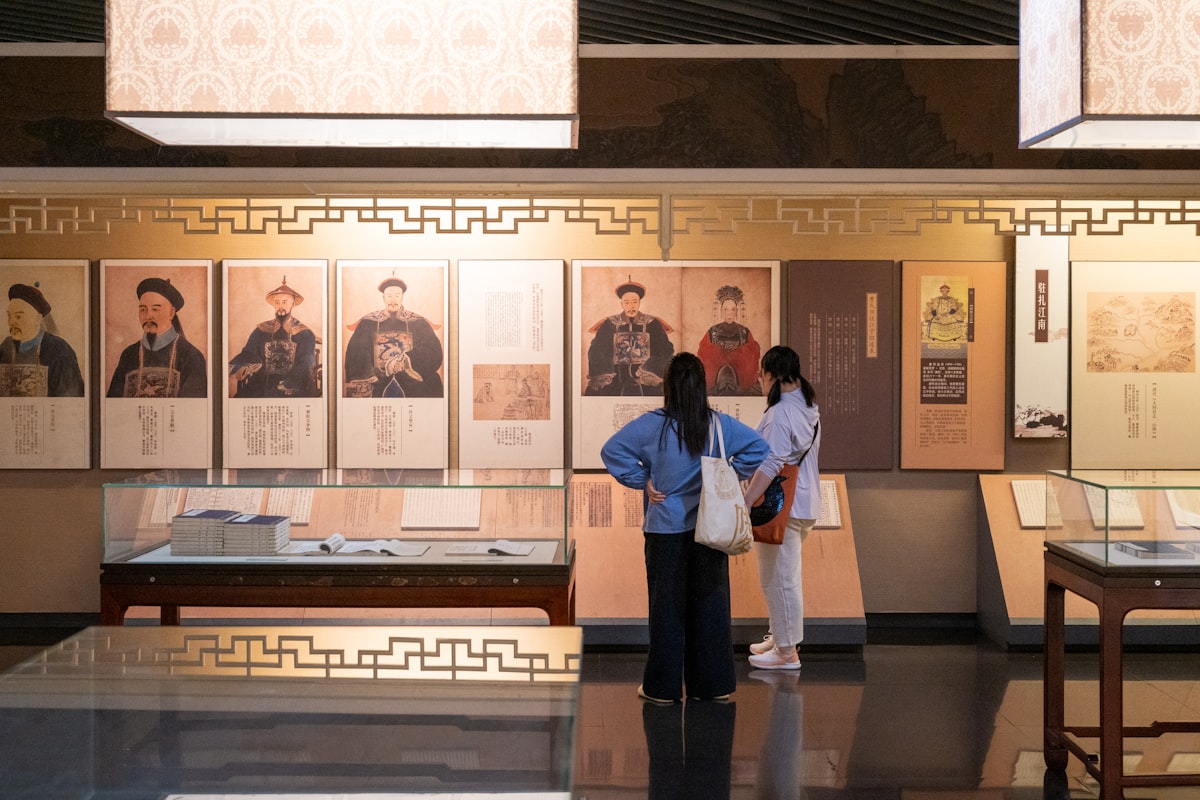
Cultural engagement matters for longevity. Recent findings indicate that older adults who maintain regular contact with theaters, museums, and cinemas display a physiological age roughly three years younger than their less active peers, and this observation shifts the focus of healthy-aging strategies from purely clinical interventions toward the integration of social and cognitive leisure activities. So it's a key marker for functional health across multiple organ systems, tracking adults aged 50 and older. But don't underestimate its power.
Beyond chronological age
Biological aging diverges from the simple passage of time. But a person of 70 years may possess the physiological markers of someone significantly younger or older, depending on environmental and personal factors, and researchers are now shifting the industry standard by measuring biomarkers related to heart health, lung capacity, and metabolic function. That's leading to a more accurate assessment of health trajectories. So this move sits within a broader pattern of identifying non-clinical activities that may influence systemic biological wear-and-tear.
The mechanics of participation
What drives this association? It's a complex question. The inquiry centers on several pathways that appear to influence the body over time, including regular attendance at cultural venues which provides social ties, mental health support, and cognitive stimulation. But these elements often overlap with the benefits typically attributed to physical activity. So the researchers emphasize that this doesn't suggest arts attendance should replace exercise. Yet the consistency of the findings provides a clear signal to clinicians and policy makers.
"I would emphasize that this was an observational study, so it does not prove that cultural engagement directly slows aging; healthier, more mobile, and more socially connected people may also be more likely to participate. Still, the consistency of the findings over time makes cultural engagement a promising addition to broader healthy-aging strategies." , Dr. Thi-Thuy-Linh Trinh
Positioning against traditional interventions
It's an accessible entry point. From a competitive standpoint, cultural engagement offers population health strategies a way in without the high cost or intimidation factor, and it doesn't exclude anyone because unlike high-intensity exercise protocols that may present barriers for individuals with limited mobility, cultural participation remains viable through various channels. So the strategy focuses on the following primary benefits for older adults.
- Stronger social connections through shared experience.
- Enhanced cognitive stimulation via exposure to art and music.
- Improved mental health outcomes linked to emotional engagement.
- Measurable physiological advantages similar to other established habits.
The path toward causality
But we can't prove causation yet. Looking at the wider sector, the reliance on fixed-effects analysis helps to control for stable individual traits, though it does not eliminate the possibility of reverse causation. It remains possible that inherently healthier individuals are simply better positioned to seek out these activities. So the industry expects to see more intervention-based trials that test this hypothesis in diverse, non-English speaking populations. Future research must evaluate whether active programs yield direct, measurable improvements in physiological age.
Defining the next steps
So how do we integrate these findings into public health programming? That's the strategic question. For policy makers, this adds weight to arguments for funding libraries and community arts programs as components of public health infrastructure. But the current evidence suggests the benefit doesn't depend on the specific type of event, only on the consistency of the habit. Consistency is key. As researchers refine their understanding of these mechanisms, the focus will likely shift toward quantifying the dosage of engagement required to sustain these physiological gains. The next phase of this inquiry will look to establish whether clinical interventions can intentionally replicate these benefits in less mobile or underserved groups.
Frequently Asked Questions
What is the main finding about cultural engagement and biological aging in older adults?
Older adults who regularly attend theaters, museums, and cinemas show a physiological age about three years younger than less active peers. This shifts healthy-aging strategies from purely clinical interventions toward integrating social and cognitive leisure activities.
Why does cultural engagement matter for longevity according to the article?
Regular attendance at cultural venues provides social ties, mental health support, and cognitive stimulation, which may influence systemic biological wear-and-tear. These benefits overlap with those of physical activity, but the consistency of findings makes cultural engagement a promising addition to healthy-aging strategies.
How does cultural engagement compare to traditional interventions like exercise?
Cultural engagement offers an accessible entry point without the high cost or intimidation factor of high-intensity exercise, and it remains viable for those with limited mobility. However, the researchers emphasize that arts attendance should not replace exercise.
What are the next steps for research on cultural engagement and healthy aging?
Future research must evaluate whether active programs yield direct, measurable improvements in physiological age through intervention-based trials. The focus will likely shift toward quantifying the dosage of engagement needed to sustain physiological gains.

Hanna Schmidt writes about health, nutrition and wellbeing, separating evidence from the noise. She covers how lifestyle and science come together to shape long-term health.
💬 Comments (0)
No comments yet. Be the first!