How a Tiny Brain Circuit Reverses Anxiety in Mice
A tiny brain circuit in the amygdala was found to control anxiety and social behaviors in mice, and correcting its imbalance reversed symptoms.
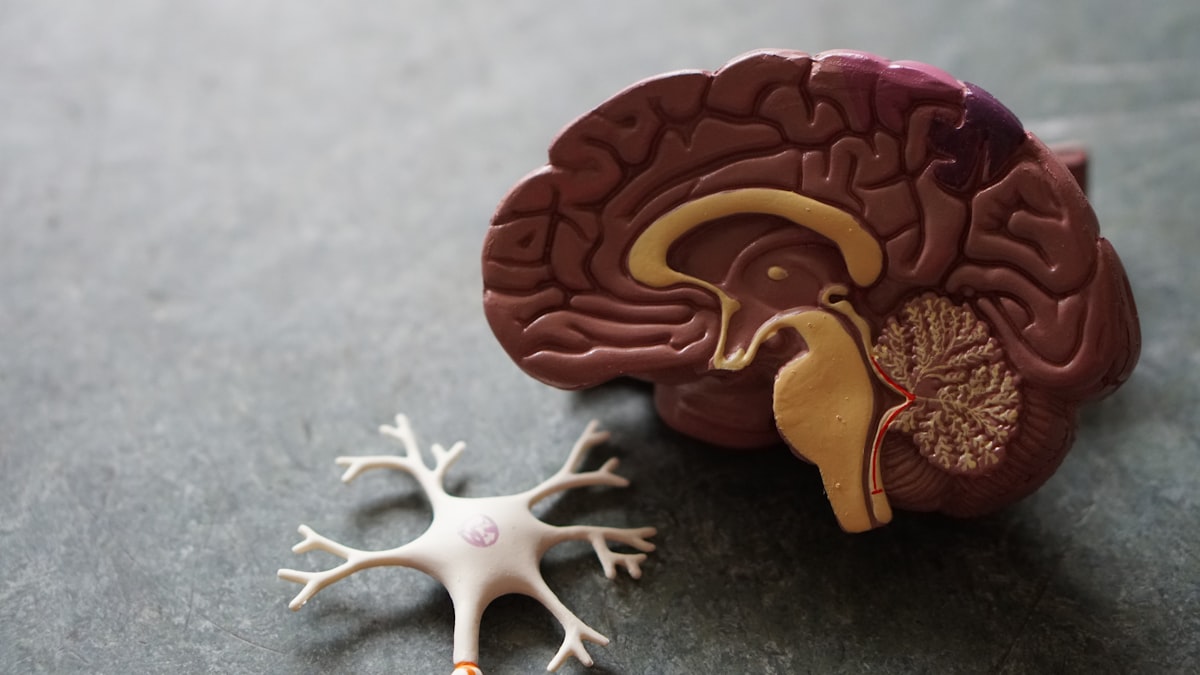
A tiny brain circuit buried deep within the amygdala can single-handedly drive anxiety and social withdrawal when its neural activity falls out of balance. Correct that imbalance, and the pathology reverses. That is the central finding from a team of Spanish neuroscientists who spent years dissecting the molecular machinery behind emotional disorders in mice.
The research, led by Juan Lerma and his team at the Synaptic Physiology laboratory at the Institute for Neurosciences in Elche, Spain, was published in iScience. It's a joint center. But it operates between the Spanish National Research Council and Miguel Hernández University.
A Circuit That Controls Fear
The amygdala governs fear, anxiety. Scientists have long known that. But it's a huge leap from knowing the region to knowing the exact neurons inside it that matter, and those are two entirely different things. Lerma's team zeroed in on a specific population of neurons whose activity, when thrown off kilter, was sufficient to produce full-blown pathological behavior all on its own.
It's a tiny brain circuit. It connects neurons in basolateral amygdala to inhibitory cells called regular firing neurons in centrolateral amygdala, and when that communication channel breaks, consequences ripple outward into behavior, reshaping how an animal interacts with the world.
"We already knew the amygdala was involved in anxiety and fear, but now we've identified a specific population of neurons whose imbalanced activity alone is sufficient to trigger pathological behaviors," Lerma said.
The Genetic Origin of the Imbalance
2015 changed everything. Lerma's laboratory first created the genetically engineered mice that made this discovery possible, and those animals carried unusually high levels of a gene called Grik4. But that overactive gene pumped up the number of GluK4 glutamate receptors on certain neurons, making those cells far more excitable than they're supposed to be.
The result was a mouse that behaved like it lived in a constant state of unease. It avoided social encounters. It showed depression-like behavior. These traits mirror aspects of conditions such as autism and schizophrenia in humans, giving the model real clinical relevance.
Reversing Anxiety in the Lab
So they set to undo it. Using genetic engineering techniques and modified viruses, they selectively normalized Grik4 gene activity in the basolateral amygdala, and it's that single intervention that restored communication with the inhibitory regular firing neurons downstream.

The effects were swift. The tiny brain circuit snapped back into balance, and the animals' emotional state shifted with it.
"That simple adjustment was enough to reverse anxiety-related and social deficit behaviors, which is remarkable," said Álvaro García, the first author of the study.
The Behavioral Tests
To measure what had changed, the researchers combined electrophysiological recordings with a battery of standard rodent behavioral tests. These assays captured two broad dimensions of mouse psychology:
- Willingness to explore open, exposed spaces, a classic laboratory measure of anxiety
- Interest in interacting with unfamiliar mice, a gauge of social motivation
After the neural correction, the genetically altered mice showed clear improvements on both fronts, and brain activity patterns and outward behavior shifted in tandem, confirming the circuit wasn't just correlated with the symptoms but causally responsible for them. So it's causally responsible.
The Same Fix Worked in Ordinary Mice
At this point the team faced an obvious question. Was this mechanism a quirk of their custom-built genetic model, or did it point to something more universal? To find out, they applied the same intervention to wild-type mice that just happened to be naturally anxious, no genetic engineering involved.
The treatment reduced anxiety in those animals too. The tiny brain circuit, it turned out, governed emotional regulation well beyond the confines of a single laboratory strain.
"This validates our findings and gives us confidence that the mechanism we identified is not exclusive to a specific genetic model, but may represent a general principle for how these emotions are regulated in the brain," Lerma said.
What the Treatment Could Not Fix
But not every symptom budged. The mice continued to show deficits in object recognition memory even after the intervention, a stubborn reminder that psychiatric disorders rarely stem from a single broken switch.
The researchers pointed to the hippocampus as a probable contributor, a structure the treatment did not reach. That gap revealed the boundaries of the tiny brain circuit's influence:
- Anxiety-related behaviors: reversed
- Social withdrawal: reversed
- Object recognition memory: unchanged
- Suspected additional players: hippocampus and other regions
What This Means for Future Treatments
The work draws a clean line from a specific genetic alteration to a specific neural circuit to a specific set of behaviors, a chain of causality that is rare in psychiatric neuroscience. Most discoveries in this field stop at correlation. This one reached causation and reversal, a step that changes how researchers can think about intervention.
The therapeutic implications are direct. If a tiny brain circuit can be dialed back into balance with the kind of precision the team demonstrated, then future treatments for affective disorders might not need to blanket the entire brain with medication. They could target the circuit itself, sparing patients the side effects that come with broader approaches.
The study drew support from the Spanish State Research Agency, the Severo Ochoa Excellence Program for Research Centers, the European Regional Development Fund, and the Generalitat Valenciana through its PROMETEO and CIPROM programs.
Frequently Asked Questions
What is the tiny brain circuit identified in the study?
The tiny brain circuit connects neurons in the basolateral amygdala to inhibitory cells called regular firing neurons in the centrolateral amygdala. When this communication channel breaks, it drives anxiety and social withdrawal.
Why did the researchers focus on this tiny brain circuit?
The researchers focused on it because correcting the imbalance in this tiny brain circuit reversed anxiety and social deficits in mice. They found that normalizing Grik4 gene activity in the basolateral amygdala restored communication and reversed pathological behaviors.
How did the team reverse anxiety in the mice using the tiny brain circuit?
They used genetic engineering techniques and modified viruses to selectively normalize Grik4 gene activity in the basolateral amygdala. This intervention restored communication with inhibitory regular firing neurons in the tiny brain circuit, snapping it back into balance and reversing anxiety-related behaviors.
When were the genetically engineered mice that enabled this tiny brain circuit discovery created?
The genetically engineered mice were first created in 2015. Those animals carried unusually high levels of the Grik4 gene, which made certain neurons far more excitable and caused constant anxiety.
Who led the research team that studied the tiny brain circuit?
The research was led by Juan Lerma and his team at the Synaptic Physiology laboratory at the Institute for Neurosciences in Elche, Spain. The first author of the study was Álvaro García.

Matteo Ricci reports on medicine and public health, from clinical breakthroughs to the systems that deliver care. He is committed to explaining complex health topics in a way readers can act on.
💬 Comments (0)
No comments yet. Be the first!