What to Know About Sudden Cardiac Arrest in Young People
Sudden cardiac arrest in young people is a leading cause of death. Learn why it often strikes without warning, and what experts propose for prevention.
Sudden cardiac arrest in young people is a bewildering and devastating reality for families worldwide. It's heartbreaking. Imagine a vibrant, healthy young individual, full of life and promise, going to bed one evening and simply not waking up the next morning. This was the tragic experience for Gordon Thoms, whose 23-year-old daughter, Alexandra, died in her sleep from an undetected heart condition in August 2023.
Alexandra had just moved into her own Melbourne apartment and recently assembled a dining table with her father. At 23, she'd already earned a double university degree, secured a graduate role at Deloitte, and traveled extensively. She embodied health and ambition. An enthusiastic skier and gym-goer, she maintained close family ties through regular calls and meticulously researched dinner recipes at her parents' home. But on the morning of Monday, August 28, 2023, those calls ceased, and Gordon and Bronwyn Thoms' growing unease led them to her apartment, where police ultimately delivered the news no parent ever expects: their daughter had passed away peacefully in her sleep.
A Silent Crisis Among the Young
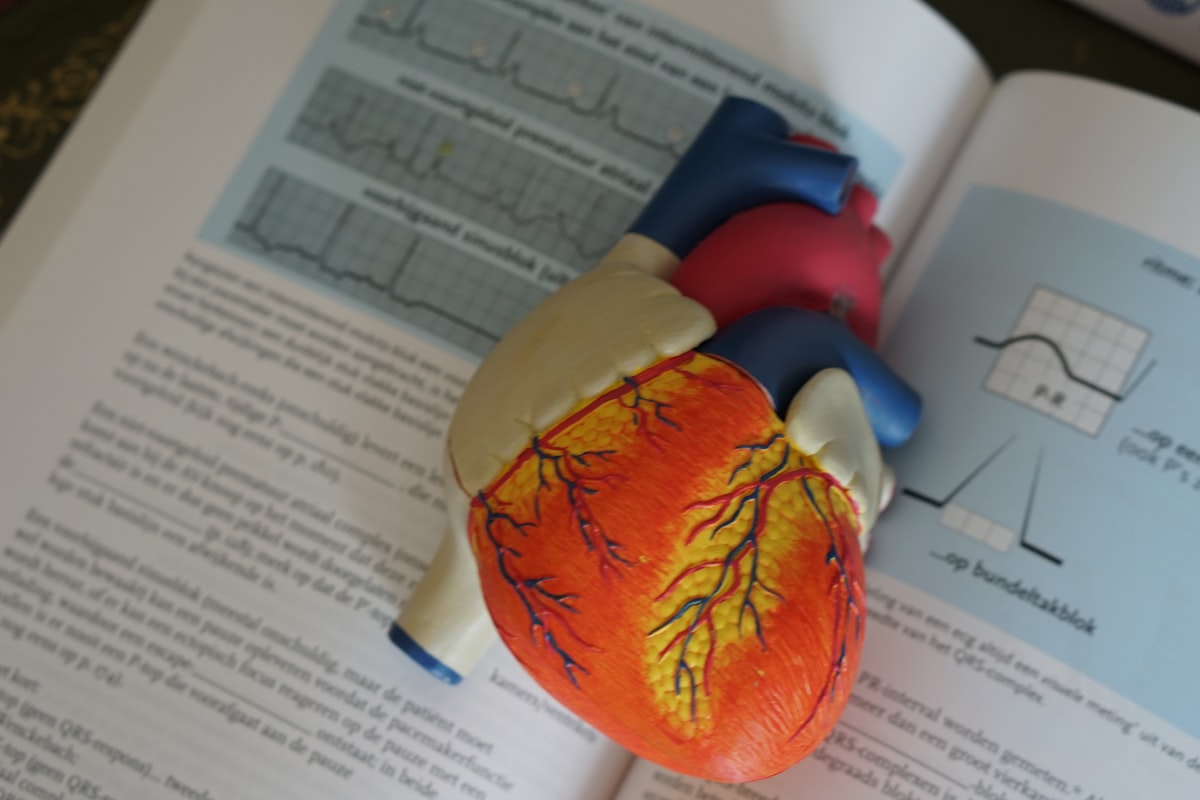
Sudden cardiac arrest is terrifying. The heart, a remarkable muscle that typically beats in a steady rhythm efficiently pumping oxygen-rich blood throughout the body, suddenly malfunctions when its electrical signals misfire and cause it to quiver erratically. This chaos prevents blood from reaching vital organs, most critically the brain, leading to an immediate loss of consciousness. But it's not the same as a heart attack. A heart attack often involves a coronary artery blockage with chest pain and breathlessness, giving time to seek help, whereas sudden cardiac arrest offers virtually no warning and hits with devastating speed. The fatality rate is extreme at 90%. So we call it sudden cardiac death.
It's statistically rare. But sudden cardiac arrest is a leading killer of children and young people, and every week in the UK, at least 12 seemingly healthy individuals aged 35 and under die from undiagnosed heart conditions. The numbers shock. Across the United States, approximately 2,000 people under 25 succumb each year, and in Australia, one person under 35 experiences a sudden cardiac arrest daily, and most don't survive. These grim facts position sudden cardiac arrest above fatalities from car accidents and various forms of cancer in this age group.
It’s just such a shock to the families, says André La Gerche, an academic cardiologist who heads the Heart Laboratory and chairs the Australian Sudden Cardiac Arrest Alliance. The child goes off to school and doesn’t come home. Or goes to bed and doesn’t wake up. They go from being perfectly well to not being there at all.
For La Gerche, the lack of public awareness, even within the broader medical community, is troubling. Despite its devastating impact, research into these events remains underfunded. "It’s near the top of the reasons why a young person dies, and even when there’s a high‑profile case, it’s often soon forgotten," he lamented, adding that "even professionals sort of fall back on the idea that young people don’t die very often."
Unseen Dangers: When Hearts Fail Unexpectedly
The exact cause of sudden cardiac arrest often varies, but one common thread is the immediate loss of consciousness. It's a terrifying event.
Intriguingly, young people's hearts often look entirely normal during autopsies. But in about 40% of fatal cases, the cause is classified as "unascertained," a frustrating dead end that leaves families without answers. Cardiologist Elizabeth Paratz explains, "The younger you go, the more likely it is that the heart will look entirely normal and you won't find a reason." This ambiguity compounds the grief and confusion. It's a cruel, inexplicable loss.
Genetics dominate in younger cases. But as we age, lifestyle factors become more dominant, shifting the prevalence of cardiac arrest toward coronary artery disease, often caused by cholesterol deposits, which becomes the more likely culprit in middle age and beyond. This condition can lead to cardiac arrest but typically manifests as a heart attack, where individuals experience chest pressure, pain, and breathlessness, often remaining conscious enough to seek aid. Young people rarely get that extra time.
Here's another surprising aspect: physical activity. Belinda Gray, director of the genetic heart disease clinic at Royal Prince Alfred hospital, highlights "the paradox of exercise" and how it creates a tricky split between health benefits and hidden risks. But exercise generally protects overall cardiovascular health, and it can paradoxically increase the risk of sudden death for elite athletes. So between 10% and 15% of sudden cardiac deaths occur either during or immediately after strenuous exercise.
The Lifesaving Power of Rapid Response
Sometimes, swift intervention can avert tragedy. On June 12, 2021, during the European Championship, Danish footballer Christian Eriksen collapsed on the field. Thanks to immediate CPR and an electric shock from a defibrillator, he survived. The midfielder, equipped with an implantable cardioverter defibrillator (ICD), experienced another incident during an international match on June 7, 2026, where his ICD quickly restored his heart's rhythm, allowing him to walk off the field.
A quick-thinking response saved 12-year-old Xavier Arruzza in August 2024. He collapsed after an intense cardio session at soccer training, and bystanders initiated CPR while a trained volunteer alerted via the GoodSAM app took over. Three shocks delivered by the club's automated external defibrillator restored his heartbeat. It's a miracle.
These stories show the need for widespread access to AEDs and CPR training. Survival rates could double. And organizations like Heartbeat of Football, founded by sports broadcaster Andy Paschalidis after a teammate died on the pitch, advocate strongly for installing defibrillators at community sporting grounds. It's a simple fix. Cardiologists suggest that readily available AEDs could double cardiac arrest survival rates, from 10% to approximately 20%, so we can't ignore that potential.
- South Australia stands as the sole Australian state to mandate AEDs in a range of public buildings and facilities.
- Angelo Tilocca, a board member of Heartbeat of Football, asserts that every state and territory should emulate South Australia’s lead.
- He also advocates for every school child and young adult to receive training in CPR and defibrillator use.
- Approximately half of all European Union countries require CPR training, including defibrillator use, as a prerequisite for obtaining a driving license.
- Countries like Japan and Sweden teach CPR in their school curricula.
Rose reflects on their harrowing experience. "I count my blessings every day while also banging my head against the wall," she shared with a smile, her voice a mix of gratitude and frustration. But without the defibrillator, she doesn't think he'd be here. "I am one of the lucky ones, and he is one of the lucky ones," she added.
The Lingering Burden of Unanswered Questions
But defibrillators can't save everyone. For Gordon and Bronwyn Thoms, the outcome for Alexandra was different, as her passing was attributed to an undetected arrhythmogenic cardiomyopathy, an inherited condition causing the heart's electrical signals to misfire. It's a stark reality. About one-third of sudden cardiac deaths occur during sleep, simply because people spend a large portion of their lives unconscious.
The emotional toll of losing a child to sudden cardiac death is profound. It's often compounded by unanswered questions, especially when a genetic cause is identified. Danielle Green lost her nine-month-old son Sonny to cardiac arrest in 2021, and she later faced further heartbreak when her daughter Airlie, at 18 months, also succumbed to cardiac death after an earlier cardiac arrest had led to the implantation of a defibrillator. But it was only after Airlie's first cardiac arrest that medical teams considered genetics, eventually identifying a rare genetic disorder called PPA2, known to cause lethal cardiac failure and often triggered by viral illnesses like gastro. Postmortem samples from Sonny confirmed he also carried the PPA2 gene.
“Some days I wake up and I just think that this isn’t my life, and it isn’t my story, and you kind of continue on,” Danielle Green shared. “You have to compartmentalise your life. Sharing our story and talking about Sonny really opens people’s eyes to what can just happen to your family because my children were healthy, and developing as expected, and meeting all their milestones.”
The absence of genetic testing after an unexplained death in a young person carries significant implications for other family members. Conditions like PPA2 can remain hidden, with carriers unknowingly surviving common childhood illnesses only to face fatal triggers, such as even a small amount of alcohol, in adolescence or young adulthood. Danielle Green has been actively lobbying policymakers to mandate genetic testing in postmortems of young people when the cause of death is unexplained. "It makes me think, how many deaths are classified incorrectly?" she pondered.
A Unified Call for Action
Gordon Thoms, channeling his grief into purpose, established Alexandra’s Mission, a charity dedicated to preventing cardiac deaths in young people. He stresses that the issue transcends blame and demands leadership. "This is not about blame," Thoms asserted. "It’s about leadership, and recognising sudden cardiac arrest in young people for what it is , a major, preventable public health emergency.His words echo the sentiments of many families who have endured similar tragedies, highlighting the urgent need for increased public awareness, more research funding, and proactive measures to protect young lives.
Frequently Asked Questions
What is the difference between sudden cardiac arrest and a heart attack as described in the article?
A heart attack often involves a coronary artery blockage with chest pain and breathlessness, giving time to seek help, whereas sudden cardiac arrest offers virtually no warning and hits with devastating speed, with the heart's electrical signals misfiring and causing it to quiver erratically. The fatality rate for sudden cardiac arrest is extreme at 90%, and it is not the same as a heart attack.
Why might a young person's heart appear normal during an autopsy after sudden cardiac death?
According to cardiologist Elizabeth Paratz, in about 40% of fatal cases, the cause is classified as "unascertained," and the younger the person, the more likely the heart will look entirely normal with no reason found. This ambiguity leaves families without answers, as inherited conditions like arrhythmias or cardiomyopathies may not leave visible structural damage.
How can rapid response with a defibrillator improve survival rates for sudden cardiac arrest?
The article states that readily available AEDs could double cardiac arrest survival rates, from 10% to approximately 20%. Examples include Christian Eriksen and Xavier Arruzza, who survived after receiving immediate CPR and shocks from a defibrillator, highlighting that swift intervention can avert tragedy.
When do most sudden cardiac deaths occur in relation to physical activity and sleep?
Between 10% and 15% of sudden cardiac deaths occur either during or immediately after strenuous exercise, highlighting the paradox of exercise where it generally protects health but can increase risk for elite athletes. Additionally, about one-third of sudden cardiac deaths occur during sleep, simply because people spend a large portion of their lives unconscious.
Who is advocating for genetic testing in postmortems of young people with unexplained death?
Danielle Green, who lost her children Sonny and Airlie to cardiac arrest, has been actively lobbying policymakers to mandate genetic testing in postmortems of young people when the cause of death is unexplained. She questions how many deaths are classified incorrectly, as conditions like PPA2 can remain hidden and affect other family members.
Hanna Schmidt writes about health, nutrition and wellbeing, separating evidence from the noise. She covers how lifestyle and science come together to shape long-term health.
💬 Comments (0)
No comments yet. Be the first!