What Stress Effects on the Body Really Mean for You
Stress effects on the body can go from a racing heart to a weakened immune system. Find out why chronic stress harms health and what breathing, CBT, and early action can do.
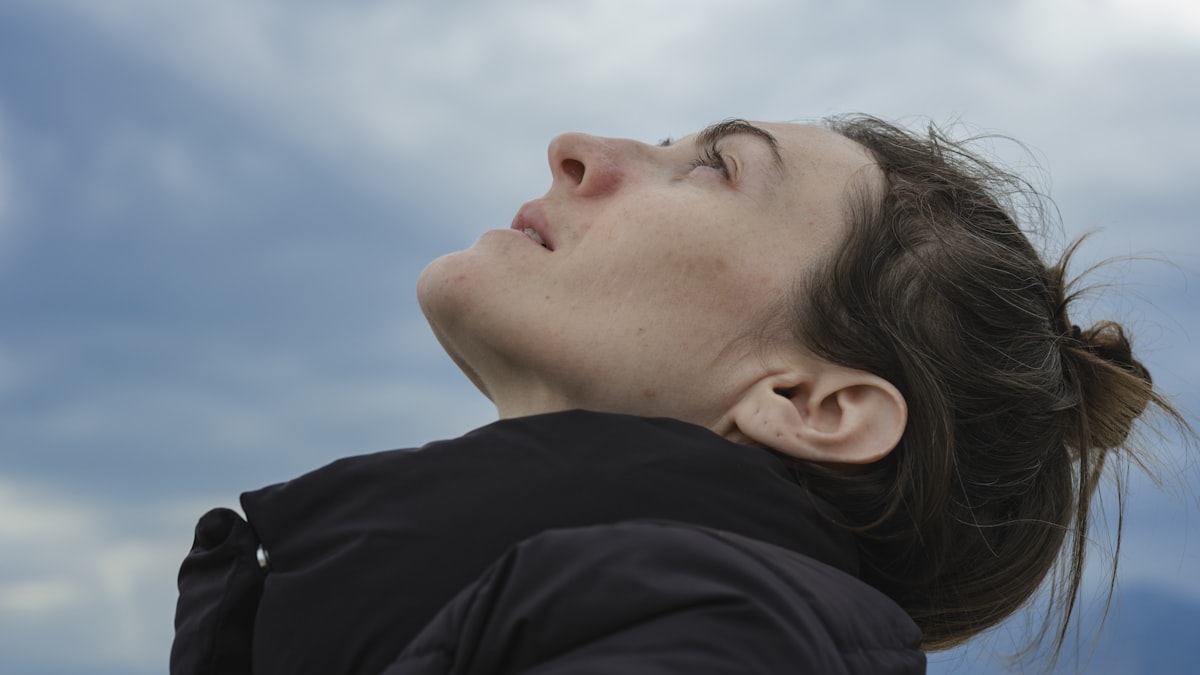
Stress effects on the body are not some distant medical concept. They are happening right now. You woke up late. The toaster is taking forever. Your phone is a disaster zone of bad takes. One kid cannot find their shoes. There is a bus lane fine on your doormat. Your body knows what is coming next.
Your Body on Stress, Explained
The Immediate Hit
Within seconds of that morning chaos, your system floods with adrenaline. Your heart rate jumps. Blood pressure spikes. Breathing quickens. This is the fight-or-flight response, and it is ancient. Prof Kavita Vedhara, a specialist in stress and behavioural medicine at Cardiff University, puts it plainly: it is designed to prepare you to address the challenge you are facing.
Centuries ago, that challenge was a mammoth attack or an inter-tribe dispute. Today, it is a Twitter argument or a scolding envelope from the council. Your body does not know the difference. It reacts the same way.
The Slow Burn
About thirty minutes after the initial hit, cortisol rises. This is the hormone often called the stress hormone, though Vedhara notes that label is somewhat reductive. Cortisol regulates blood pressure, suppresses inflammation, and increases the availability of blood sugars to boost energy. All useful stuff if you are actually about to run from danger or fight for your life.
But here is the catch. Most modern stress does not end with a sprint. You sit there. You stew. You ruminate on an argument with your partner for hours. And your body stays locked in battle mode the entire time.
When Protection Becomes the Problem
The stress effects on the body shift from helpful to harmful when the system never powers down. When your body diverts resources to fight or flight, it pulls them away from digestion, repair, and immune function. Those rest-and-digest systems get starved. Do this occasionally and you bounce back fine. We evolved for that. Do it chronically, and the bill comes due.
Vedhara points to the clearest consequence: poorer immune function. That means more infections, less effective vaccines, and slower wound healing. But chronic stress effects on the body go further. She cites increased risk of obesity, depressive illness, and progression of neurodegenerative diseases such as Alzheimer's.
- Weakened immunity and slower wound healing
- Higher risk of obesity and depressive illness
- Accelerated progression of neurodegenerative diseases
- Impaired decision-making when stress hormones flood the ancient survival circuitry of the brain
The Vicious Cycle
Dr Jo Daniels, a senior lecturer in psychology at the University of Bath, describes a feedback loop that makes everything worse. You feel your heart racing and think, why is my heart beating so fast? That alarm amplifies the physical sensation. Now you have stress layered on top of stress. Your own awareness of the stress response becomes a second trigger.
When we're in a stress response, we're hypervigilant, so we're more likely to consider normal variations in our bodily sensations to be threatening.
Daniels explains that this hypervigilance floods the brain with stress hormones and activates the ancient survival circuitry. Your decision-making gets impaired. You start avoiding things. You stay home because your body is screaming that something is wrong, even when nothing is. The body's protective instinct becomes a prison.
Who Is Most at Risk
A landmark study in the 1990s recruited almost 400 healthy volunteers and exposed them to the common cold. The result was stark. Stressed people got sick more often. That finding still holds decades later.
Older adults face a double hit. Their immune systems are already declining, so chronic stress lands harder. But the real complicating factor is that stress tolerance varies wildly between people. Daniels points out that trauma survivors often have a lower threshold for the stress response. Others thrive in high-pressure careers and seem to seek them out. The Covid-19 pandemic proved that everyone, eventually, has their limit. Nobody is immune forever.
The truth, according to experts cited by The Guardian, is that they are probably just better at managing challenging situations than the rest of us. Avoiding stress completely is not a realistic option for anyone.
What Actually Works
Small Fixes for Acute Stress
This sounds too simple. It is not. Breathing slowly and deliberately gives your brain the message that everything is okay. You are safe. Daniels explains that stressed people tend to breathe in a shallow, rapid way, which reinforces the threat response and keeps the physiological loop spinning. Slow breathing induces the relaxation response. Head it off at the pass before it spirals.
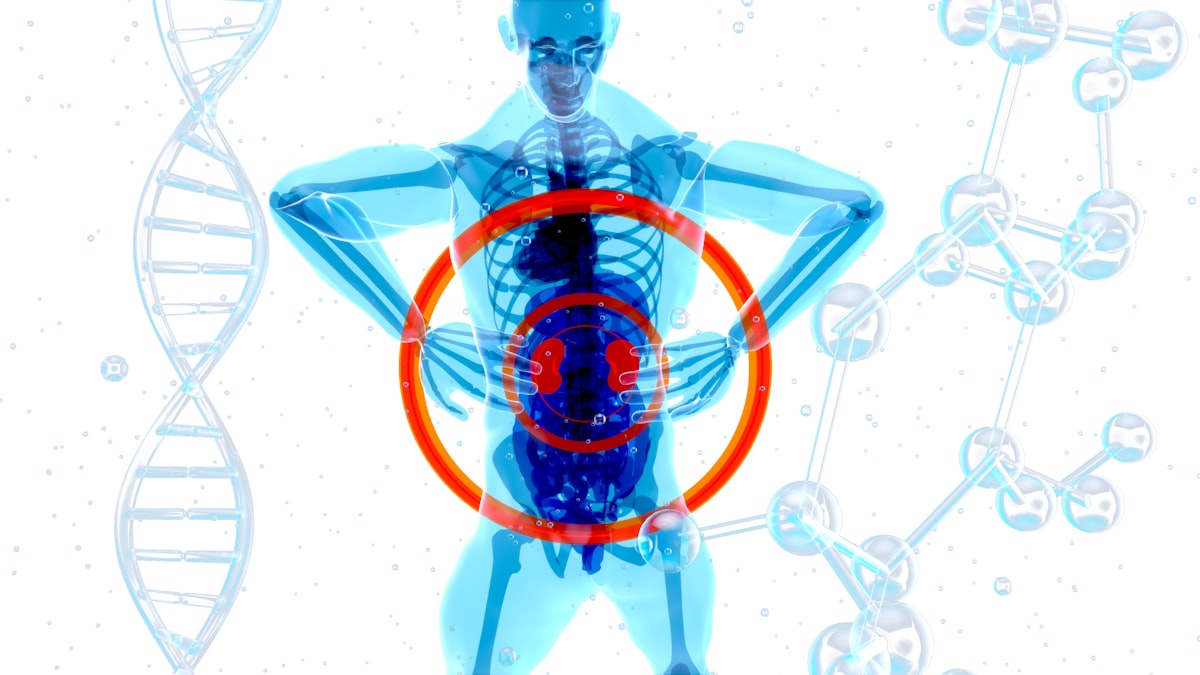
Exercise helps too. It burns off the excess adrenaline that high-stress responses produce. Both of these work best for acute, temporary stress. The kind that flares up and then fades.
When You Need More Help
For stress that is more prolonged and frequent, breathing exercises will not cut it alone. Cognitive behavioural therapy, or CBT, tackles the thought patterns that fuel the fire. Daniels frames the strategy plainly: when your mind screams "I can't cope with this," stop and ask whether that is actually true. Have you coped before? With worse? Can you survive the worst-case scenario if you are late for school drop-off and forgot to feed the cat?
Thoughts are not facts. That is the core insight. Some people try to work longer or harder to solve work-related stress, which only deepens the problem over time. Phasing out unhelpful coping strategies matters as much as adopting new ones.
Mindfulness-based stress reduction takes a different angle. Instead of challenging unhelpful thoughts, you learn to step back from them entirely. For unavoidable stressors, this approach often fits better than CBT. For negative thinking patterns and counterproductive coping, CBT is the stronger tool. You can experiment with both depending on what is stressing you out.
- Try regulated breathing first for acute, temporary stress
- Use CBT when negative thought patterns and unhelpful coping strategies dominate
- Turn to mindfulness-based stress reduction for unavoidable, long-term stressors
- Seek professional help when stress is present most or all of the time
Catch your stress response early, and you have a good chance of reversing it using simpler strategies. But for chronic stress, modifications to lifestyle, accessing social support and developing helpful coping skills are key.
Daniels is direct about when to get help. Do it when stress is present most or all of the time. Do it when you yourself are concerned about your stress levels. The stress effects on the body are real, measurable, and cumulative. They do not resolve by ignoring them.
The Bottom Line
Your body is built to handle stress in short bursts. It is not built for the endless churn of notifications, deadlines, and doomscrolling. The stress effects on the body become dangerous when the off switch stops working. Pay attention to what your body is telling you. Then act. Early. You cannot always control the mammoths charging at you. You can control how you respond to them.
Frequently Asked Questions
What are the specific stress effects on the body described in the article?
Within seconds, stress floods the system with adrenaline, causing heart rate to jump, blood pressure to spike, and breathing to quicken, followed by a cortisol rise that regulates blood pressure and blood sugars. Chronic stress effects include poorer immune function, higher risk of obesity and depressive illness, and accelerated progression of neurodegenerative diseases such as Alzheimer's.
Why does chronic stress shift stress effects on the body from helpful to harmful?
Chronic stress keeps the body in battle mode, diverting resources from digestion, repair, and immune function, starving the rest-and-digest systems. Over time, this leads to documented harms like more infections, slower wound healing, and increased risks of obesity, depressive illness, and neurodegenerative diseases.
How can someone manage acute stress according to the article?
Breathing slowly and deliberately gives the brain the message that everything is okay, as stressed people tend to breathe shallowly, reinforcing the threat response. Exercise also helps by burning off excess adrenaline produced by high-stress responses, and both work best for acute, temporary stress.
Who is most at risk for negative stress effects on the body according to the article?
Older adults face a double hit because their immune systems are already declining, so chronic stress lands harder. The article also notes that trauma survivors often have a lower threshold for the stress response, and the Covid-19 pandemic proved that everyone eventually has their limit.

Sarah Jenkins covers health and medicine, translating new research into clear, practical reporting. She focuses on the science behind everyday wellbeing and the developments changing modern care.
💬 Comments (0)
No comments yet. Be the first!