Singapore's National TB Programme Elevates Surveillance
Singapore's National TB Programme has integrated Whole Genome Sequencing, a move that significantly enhances its ability to identify and manage complex TB transmission chains, as seen in the recent Bedok cluster. This strategic pivot underscores a proactive public health approach.

Singapore's National TB Programme just made a notable advance. They carried out a large-scale tuberculosis screening in the Bedok Central neighborhood. But this proactive measure followed the identification of 13 genetically similar TB cases linked to three high-traffic public venues: a community clubhouse, a popular hawker food center, and a sports betting outlet. The screening covered 3,169 people between May 2 and 8, 2026. It led to 473 requiring further evaluation after initial blood tests. That's a commitment to precision public health. They're moving beyond reactive case management to actively trace and prevent potential transmission chains within the community. This strategic response shows a broader industry shift. It's toward more sophisticated, data-driven approaches in managing endemic infectious diseases.
Singapore's National TB Programme Elevates Surveillance
Precision Public Health in Action
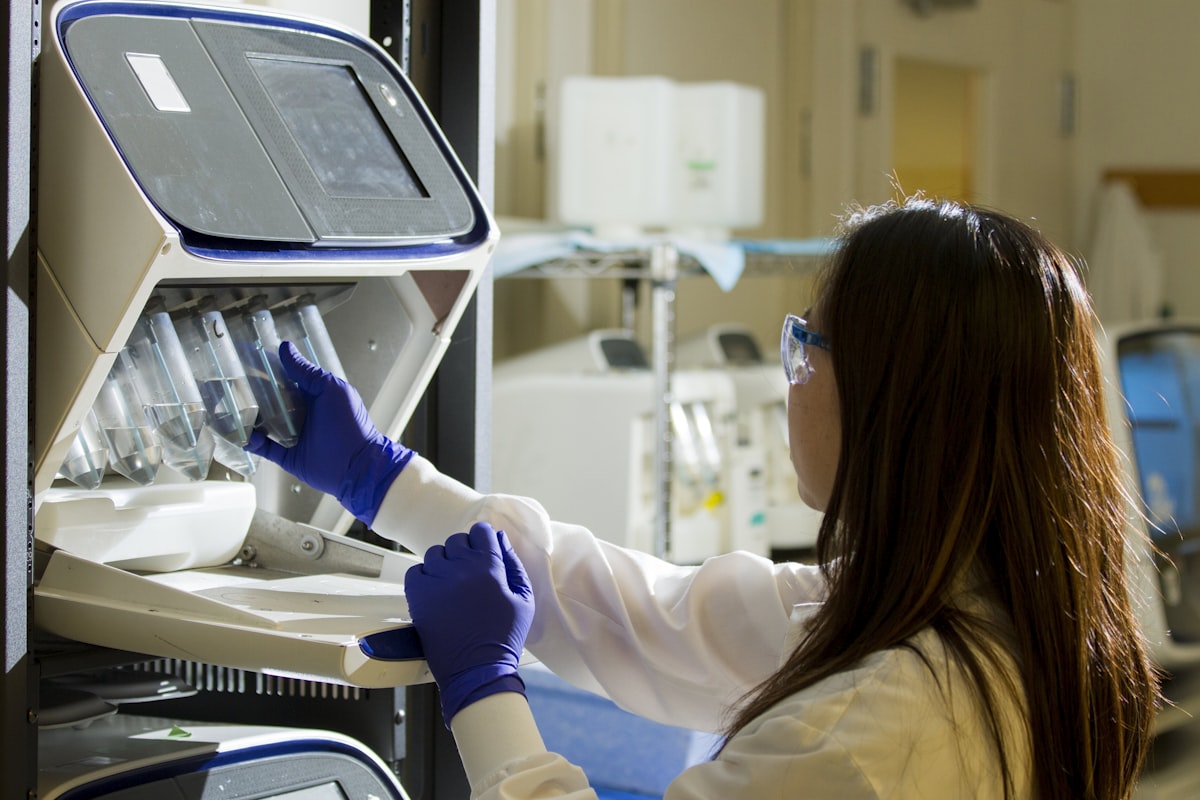
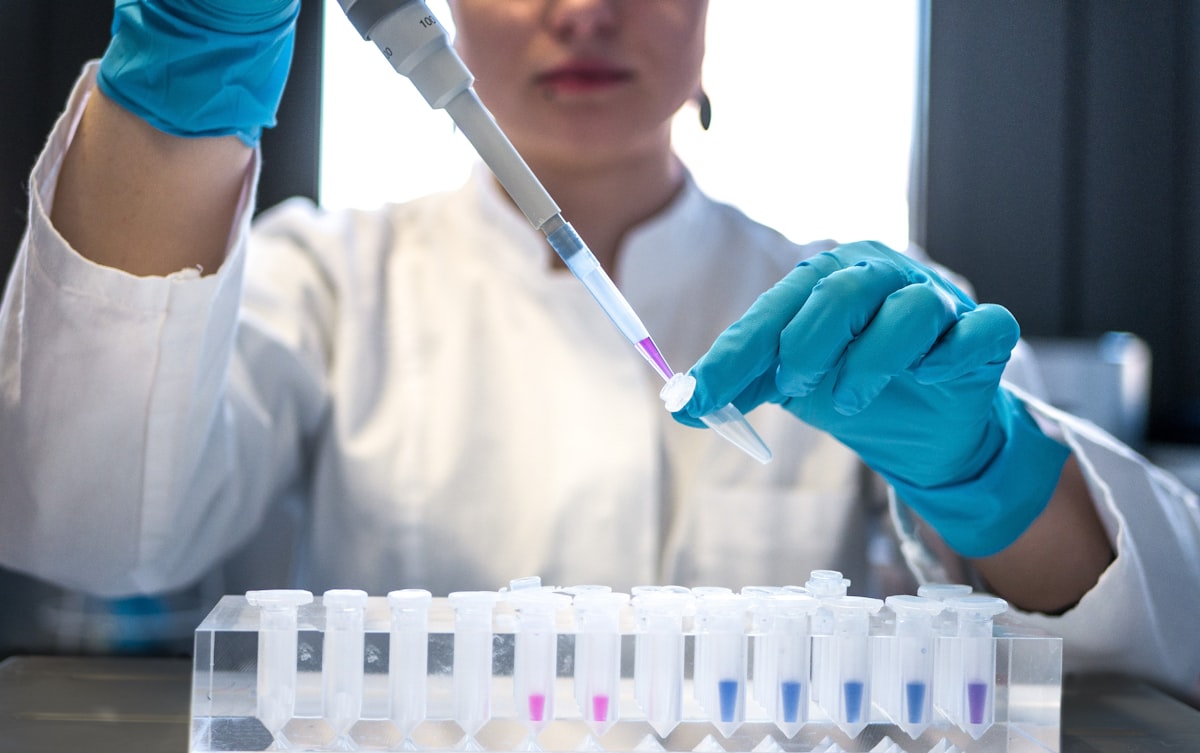
This move fits a broader global pattern. National health authorities everywhere are embracing advanced diagnostic technologies to refine disease control strategies, and Singapore's National TB Programme has adopted whole genome sequencing, or WGS, which is particularly noteworthy. WGS is a molecular fingerprinting technique. It allowed public health officials to compare the genetic code of TB bacteria from different patients, establishing a shared transmission chain where traditional epidemiological methods might have simply recorded independent cases. This capability links seemingly unconnected individuals through genetic markers. It's a qualitative leap in infectious disease surveillance. More targeted interventions become possible, and we gain a deeper understanding of community transmission dynamics. The focus is moving from simply counting cases to understanding how they are connected. So this offers a more granular view of disease spread. It facilitates more efficient resource allocation for follow-up and treatment. Such technology-driven epidemiology promises better early warning systems. It can't just respond; it shifts toward a more anticipatory model of disease control.
Setting a Standard for Urban Health Security
Singapore acted fast. They screened 3,169 people, then followed up with the 473 who tested positive on initial blood tests, showing an operational agility that many governments can't match. But the three-year Bedok cluster, from January 2023 to February 2026, raises real questions about the inherent challenges of early detection for slow-progressing diseases. That's a hard truth. From a competitive standpoint, Singapore's thorough response positions it as a leader in urban health security, especially for countries grappling with endemic infectious diseases because the government offered free screening and onsite X-ray facilities, a strategic investment in public trust and economic stability. So the speed and scope of the reaction reassures residents, reinforcing the national health system's ability to protect its people. It's a high bar for proactive disease management in densely populated areas.
Assuring Public Confidence and Economic Stability
The strategic communication alongside public health interventions matters just as much as the medical response itself. But Senior Minister of State Tan Kiat How tackled public concern directly, clarifying key aspects of the situation while showing he understood both public and economic anxieties. That's real leadership.
The TB cases did not involve hawkers or food stall staff, and that it remains safe to eat at Bedok Food Centre.
This clarity mattered. It was important given the potential economic and reputational impact on local food vendors and the wider food and beverage sector, so such direct and reassuring communication from leadership is vital in preventing misinformation, quelling undue panic, and maintaining consumer confidence. That's a key element in preserving the economic vitality of community hubs during public health events. So the swift dismissal of rumors helps insulate local businesses from the secondary effects of health scares. It allows economic activity to continue with minimal interruption.
The Evolving Role of Diagnostics and Tailored Care
The Bedok screening highlights expanding diagnostics in national health programs. It's a major change. The Interferon-Gamma Release Assay (IGRA) blood test, used for initial screening, accurately indicates exposure to TB bacteria. But 14.9% of those screened tested positive, and the CDA clarified that the vast majority are expected to have latent TB infection (LTBI), meaning they carry the bacteria but aren't contagious and don't have active disease. So this nuanced understanding, along with subsequent chest X-rays for confirmation, emphasizes the importance of multi-stage diagnostic protocols to avoid over-diagnosis of active disease while still identifying those who might benefit from preventive treatment for LTBI. Such precision in diagnosis ensures resources go to individuals needing immediate intervention for active disease, while offering early preventative care to those with LTBI. It fits a broader pattern toward precise patient stratification and personalized medicine. The CDA's early 2026 announcement about moving toward a more individualized TB care model, tailoring treatment supervision to patient needs and adherence, signals an evolution in managing chronic infectious diseases at a national level. This approach recognizes that while public health standards are universal, patient engagement and adherence can be optimized through personalized support, potentially enhancing treatment outcomes and resource efficiency within Singapore's National TB Programme by using technologies like video-observed therapy (VOT) alongside traditional direct observed therapy (DOT).
Persistent Vigilance and Adaptive Strategies
Despite recording 1,019 new active TB cases in 2025, the lowest annual total in at least ten years, TB remains endemic in Singapore, particularly among older age groups and certain migrant worker communities. The incidence rate fell to 24.2 per 100,000 population from 27.6 the year prior, indicating progress but also an ongoing burden. The experience with the Bedok cluster reinforces the need for persistent vigilance and adaptive public health strategies. Individuals who frequently visited Heartbeat@Bedok, Block 216 Bedok Food Centre, or Singapore Pools Bedok Betting Centre between 2023 and early 2026, and have not yet been screened, are still encouraged to contact the CDA or visit the National Tuberculosis Screening Centre for an assessment. This sustained outreach, coupled with the ongoing integration of advanced tools like WGS into Singapore's National TB Programme, illustrates a commitment to adaptive public health strategies that balance broad population health goals with targeted, data-driven interventions to control an enduring infectious disease challenge. Residents throughout Singapore are also advised to be aware of TB's key warning signs:
- A persistent cough lasting more than two weeks
- Unexplained fever
- Night sweats
- Unintentional weight loss
These public awareness efforts complement the sophisticated surveillance mechanisms, creating a multi-layered defense against TB transmission and ensuring that proactive health management remains a core pillar of Singapore's public health framework.
Frequently Asked Questions
What recent action did Singapore's National TB Programme take in the Bedok Central neighborhood?
Singapore's National TB Programme conducted a large-scale tuberculosis screening in the Bedok Central neighborhood from May 2 to 8, 2026, covering 3,169 people. This followed the identification of 13 genetically similar TB cases linked to three high-traffic public venues.
Why did Singapore's National TB Programme use whole genome sequencing (WGS) in this response?
WGS allowed public health officials to compare the genetic code of TB bacteria from different patients, establishing a shared transmission chain where traditional methods might have recorded independent cases. This capability links seemingly unconnected individuals through genetic markers, enabling more targeted interventions and deeper understanding of community transmission dynamics.
How did the programme differentiate between active TB and latent TB infection (LTBI) during the screening?
The screening used the Interferon-Gamma Release Assay (IGRA) blood test to indicate TB exposure, with 14.9% testing positive. Subsequently, chest X-rays were used for confirmation to avoid over-diagnosis of active disease while identifying those who might benefit from preventive treatment for LTBI.
When was the three-year Bedok cluster active, and what period did it cover?
The Bedok cluster was active from January 2023 to February 2026. This three-year period raised questions about the challenges of early detection for slow-progressing diseases like TB.
Who addressed public concern about the TB cases, and what key clarification did they provide?
Senior Minister of State Tan Kiat How addressed public concern directly. He clarified that the TB cases did not involve hawkers or food stall staff, and that it remains safe to eat at Bedok Food Centre, which was important for maintaining consumer confidence and protecting local businesses.

Hanna Schmidt writes about health, nutrition and wellbeing, separating evidence from the noise. She covers how lifestyle and science come together to shape long-term health.
💬 Comments (0)
No comments yet. Be the first!