What the Polygonum multiflorum hair loss review means
A new review suggests Polygonum multiflorum hair loss benefits may come from multiple biological pathways, not just one.

What the Polygonum multiflorum hair loss review means
Your Hair Follicles Are Under Attack
You are not imagining it. The hair is thinning. The temples are retreating. And you are not alone. Millions of men and women deal with androgenetic alopecia, the most common type of hair loss on the planet. You probably know it as male or female pattern hair loss. It creeps in slowly. Follicles shrink. Hairs get thinner. Shorter. Then they stop showing up altogether.
A hormone called dihydrotestosterone drives most of this damage. It latches onto follicles and slowly chokes them out. The process is gradual. But it is relentless. And the Polygonum multiflorum hair loss connection is now forcing researchers to rethink how we fight back.
The Problem With What Is Available Now
You have two main weapons today. Finasteride and minoxidil. They work for some people. Not everyone. And not without baggage.
Finasteride Works. But at What Cost?
Finasteride targets the hormones that shrink your follicles. It can slow things down. But plenty of patients worry about the sexual side effects. Those fears are real. They are documented. And they drive people away from treatment every single day.
Minoxidil Helps. But It Is Not Enough.
Minoxidil goes on your scalp. It encourages growth. Simple enough. Except for the irritation. The redness. The fact that you have to keep using it forever. Stop, and any progress vanishes. For many people, these two options feel incomplete. They want something that feels safer. Broader. More natural.
That is where the Polygonum multiflorum hair loss research gets interesting.
A Root That Has Been Quiet for 1,000 Years
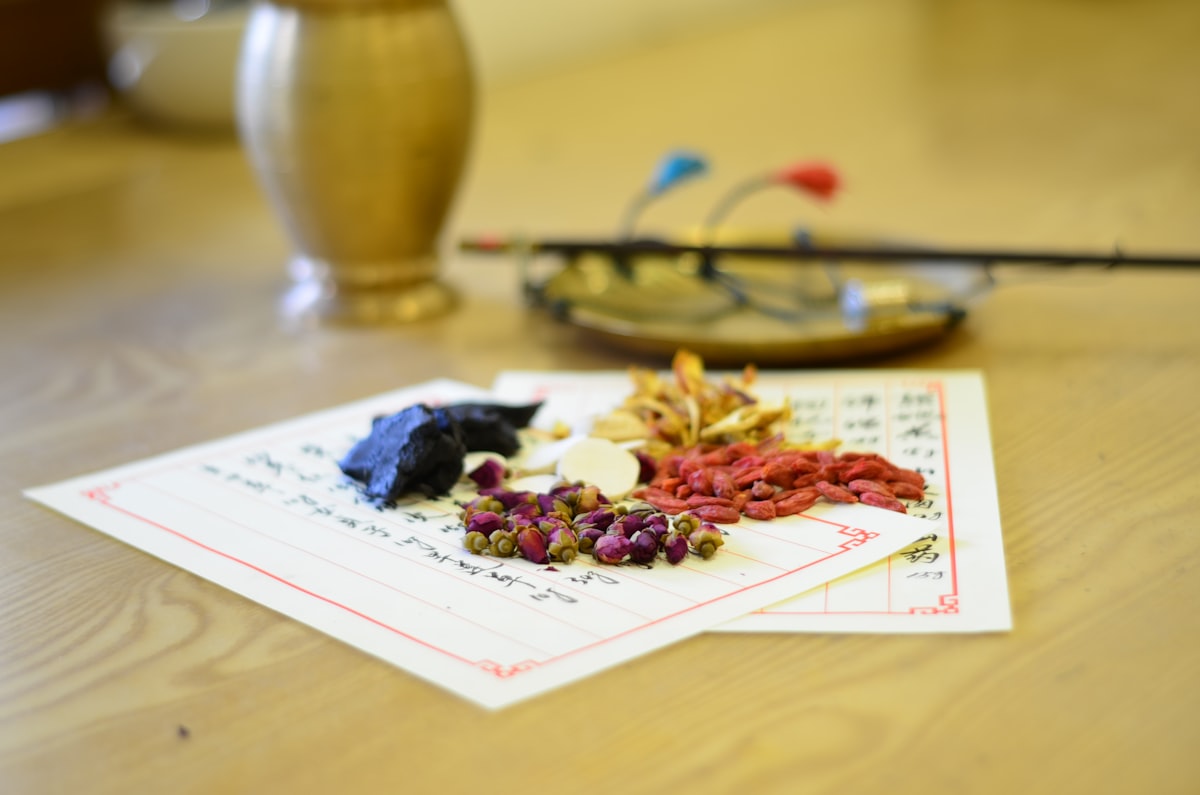
1,000 years is a long track record. Polygonum multiflorum has been used in traditional Chinese medicine for more than a millennium. Its traditional purpose sounds almost too perfect. It was used to "blacken hair and nourish essence." Ancient practitioners saw something. Now modern labs are figuring out why.
Here is what researchers discovered. This plant does not take one swing at hair loss. It takes several. At the same time. That is rare. Most treatments pick a single target and hope for the best. The Polygonum multiflorum hair loss approach looks fundamentally different.
Five Ways It Fights Back
The root appears to hit multiple biological levers simultaneously. Here is what the evidence shows it may do:
- Reduce the impact of dihydrotestosterone on vulnerable follicles, protecting them from the hormone that drives pattern hair loss.
- Prevent follicle cells from dying too early, keeping the living cellular machinery intact for the hair growth cycle.
- Activate Wnt and Shh signaling pathways, the key biological switches that control cell growth, communication, and tissue repair.
- Push follicles from resting phases into active growth by strengthening the signals linked to regeneration.
- Improve blood flow to the scalp, delivering more oxygen and nutrients to the follicles that need them most.
No single existing treatment does all of that. Finasteride hits one pathway. Minoxidil uses another. This root appears to cast a wider net. And that broader action is exactly why the Polygonum multiflorum hair loss findings matter.
"This Is Not Folklore. It Is Pharmacology."
Han Bixian does not mince words. As the first author of the review published in the Journal of Integrative Pharmacy, he said something that should make you sit up straight.
"Our analysis bridges ancient wisdom and modern science. What surprised us was how consistently historical texts;from the Tang Dynasty onward,described effects that align perfectly with today's understanding of hair biology. Modern studies now confirm that this is not folklore; it is pharmacology."
Let that land for a second. Medical records from over a thousand years ago describe effects that match what we now know about hair biology. That overlap is not a coincidence. It is a signal. And researchers are finally listening.
The excitement is real. The evidence, however, is still building. Much of the current support comes from laboratory studies, historical records, and limited clinical observations. Promising? Absolutely. Definitive? Not yet.
The Processing Step You Cannot Skip
Here is where most people get it wrong. Natural does not automatically mean safe. Herbs contain powerful compounds. Their effects shift dramatically depending on preparation, dose, and product quality. Polygonum multiflorum is no exception.
In traditional Chinese medicine, this root is processed before use. That step is not ceremonial. It is critical. Processing affects both safety and biological activity. When properly prepared, the herb shows a favorable safety profile. That makes it more acceptable to patients who are wary of sexual dysfunction or scalp irritation from current medications.
Skip the processing step and the risk profile changes. This is not something you casually order online and hope for the best. The review is clear. Preparation matters. Quality matters. Guidance matters. Nobody should self-treat based on promising headlines alone.
- Proper processing reduces risks and alters biological activity.
- Dose and product quality vary wildly outside of controlled settings.
- Natural compounds can still cause harm when used incorrectly.
What Happens Next
You want a simple answer. Can you walk into a store, grab this root, and fix your hair? Not yet. The researchers are explicit about this. Large, carefully designed human trials are still needed. The current evidence comes mostly from lab benches, not large patient populations. That gap has to close before anyone makes firm promises.
Still, the direction is worth watching. The Polygonum multiflorum hair loss story points toward something bigger. Traditional remedies, studied through the lens of hormone biology, cell survival, growth signaling, and scalp circulation, may hold biologically active compounds that inspire the next generation of treatments.
For now, the message is hopeful but cautious. A root used for more than a millennium is not replacing your current treatment tomorrow. But it could help guide what comes next. And for anyone frustrated by limited options, that is worth paying attention to.
Frequently Asked Questions
What is the Polygonum multiflorum hair loss connection and how does it differ from existing treatments?
Polygonum multiflorum has been used in traditional Chinese medicine for over a millennium to 'blacken hair and nourish essence,' and modern research shows it may hit multiple biological levers simultaneously. This differs from existing treatments like finasteride and minoxidil, which each target only a single pathway, whereas this root appears to cast a wider net by reducing DHT impact, preventing follicle cell death, activating growth signaling pathways, and improving scalp blood flow.
According to the article, what are the five ways Polygonum multiflorum fights hair loss?
The article lists five ways: reducing the impact of dihydrotestosterone on vulnerable follicles, preventing follicle cells from dying too early, activating Wnt and Shh signaling pathways that control cell growth and repair, pushing follicles from resting phases into active growth, and improving blood flow to the scalp. No single existing treatment, such as finasteride or minoxidil, accomplishes all of these actions.
Why is proper processing of Polygonum multiflorum important for safety?
The article states that in traditional Chinese medicine, the root is processed before use, and this step is critical because it affects both safety and biological activity. When properly prepared, the herb shows a favorable safety profile, making it more acceptable to patients wary of side effects from current medications; skipping processing changes the risk profile and can cause harm.
Who is Han Bixian and what did he say about the Polygonum multiflorum hair loss review?
Han Bixian is the first author of the review published in the Journal of Integrative Pharmacy. He stated, 'Our analysis bridges ancient wisdom and modern science… Modern studies now confirm that this is not folklore; it is pharmacology,' highlighting how historical texts from the Tang Dynasty describe effects that align with today's understanding of hair biology.

Sarah Jenkins covers health and medicine, translating new research into clear, practical reporting. She focuses on the science behind everyday wellbeing and the developments changing modern care.
💬 Comments (0)
No comments yet. Be the first!