Nursing at 60: Nick Dowling's Big Move, What It Means For You
Think a career change after 60 is impossible? Nick Dowling just started a nursing apprenticeship. His journey from manufacturing to patient care offers a real look at what it takes to seize new opportunities, showing that nursing at 60 is more than just a dream.
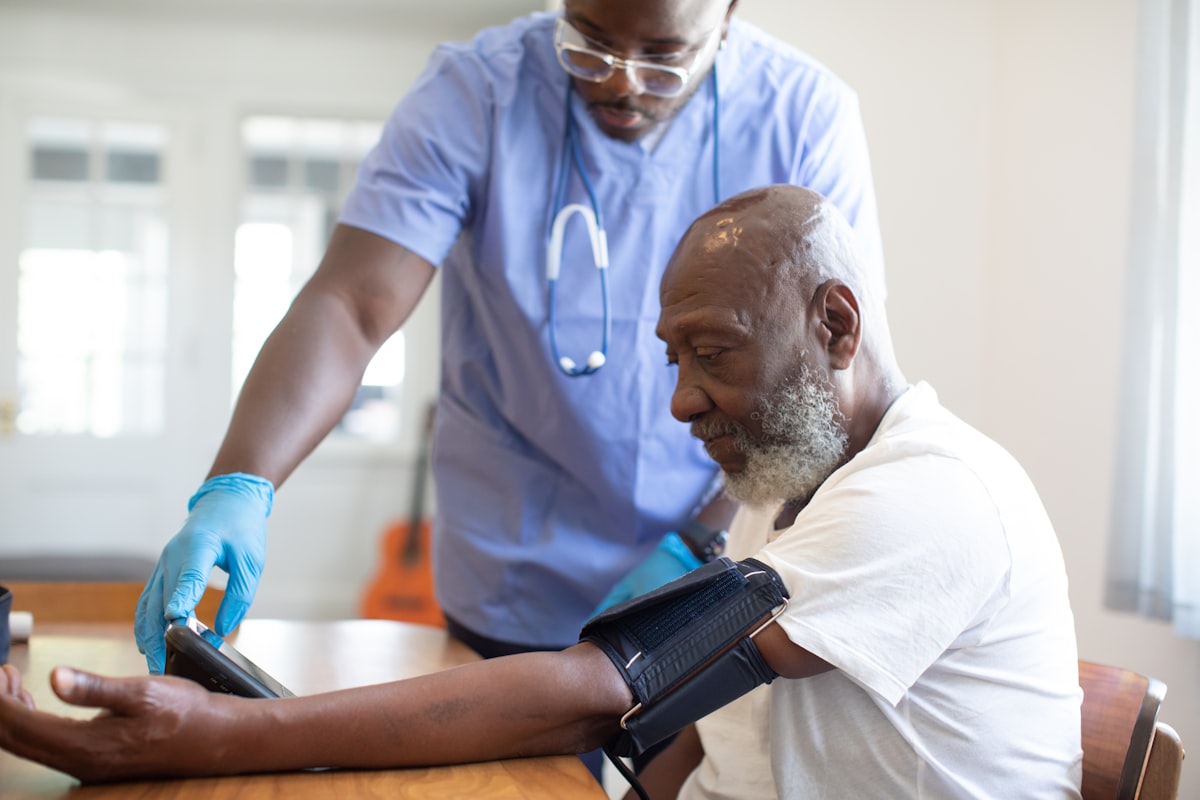
Nursing at 60: A bold career shift
Nursing at 60 seems unusual. But Nick Dowling spent decades in engineering and consultancy, and after a long career in manufacturing and change-management training, he decided the time was right to start over. He's currently finishing an apprenticeship to qualify as a registered nursing associate.
From the boardroom to the bedside
The transition wasn't a whim. It began when his professional work moved entirely online during the pandemic, a shift that left him feeling drained by the relentless screen-based interaction and ultimately cost him his enthusiasm for the job. But he'd previously volunteered with the ambulance service. That gave him a glimpse into a different, more hands-on way of working, helping with everything from cardiac emergencies to trauma care.
His daughter, a cardiac physiologist, encouraged him to explore health sector opportunities. So he applied for a healthcare assistant job. He didn't hesitate. It was a complete departure from his previous life delivering leadership training and working on large-scale infrastructure projects like Crossrail, but that didn't matter to him at all.
What a new career looks like
His new path feels nothing like corporate life. He works long shifts for a lower wage than he earned during his consultancy years, and that's the stark truth of his current situation. So here it is.
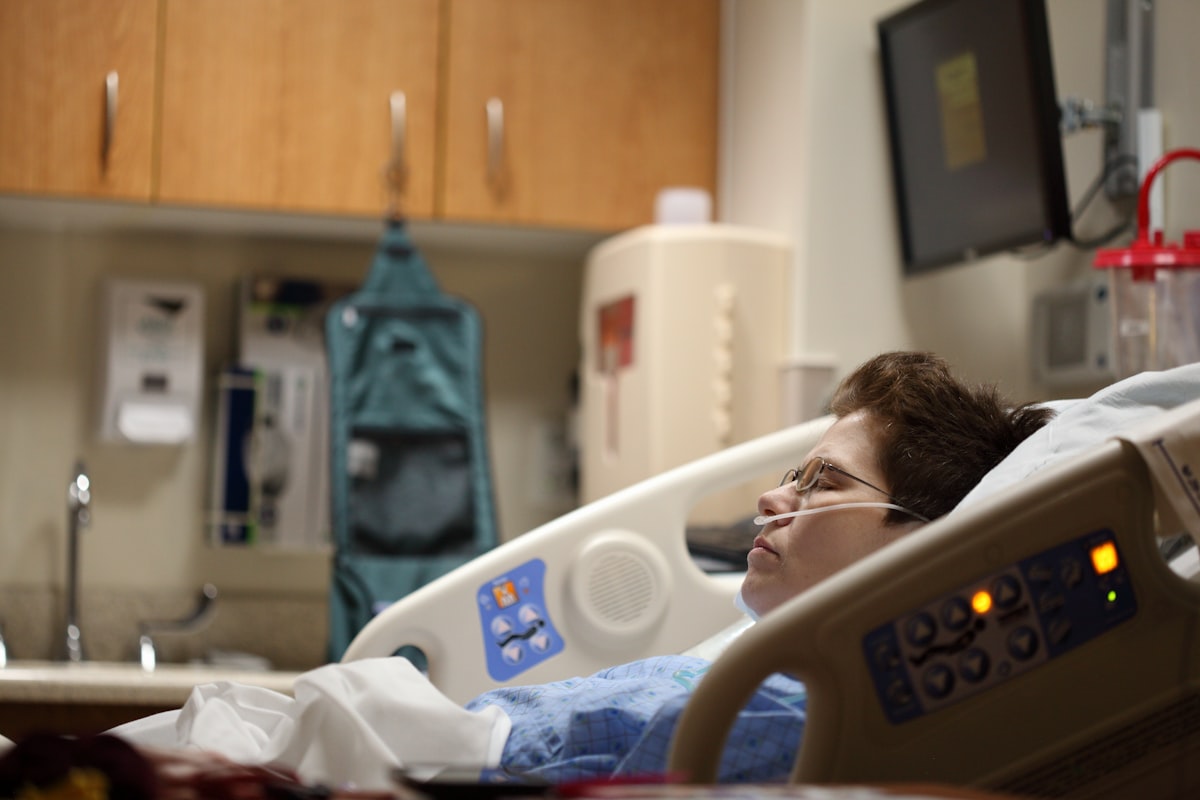
- He earns 14 pounds per hour.
- Shifts can last up to 12 hours.
- He works across diverse settings including general practice, psychiatric units, and urgent treatment centers.
Is it worth it? Some might wonder if the trade-off is worth it, but for Dowling the choice is rooted in a desire for learning that makes the sacrifice feel like a natural part of his journey. He views change and education as synonymous. So he aims to pursue this new career for seven years once he's fully qualified.
The circle closes
His current journey mirrors his youth. At 21, he spent a summer working as a nurse aide on a dementia ward in Massachusetts, and though he initially found the work difficult, a senior nurse helped him stick with it for six months. But he eventually moved on to a career in quality management. He never forgot that experience.
TS Eliot wrote: The end of all our exploring will be to arrive where we started and know the place for the first time. There might be a bit of that going on.
Is it ever too late to pivot
Many people assume that a career trajectory is a straight line. It's not. If you're questioning your own path, consider how he reframed his perspective by stopping his search for a grand plan and instead keeping his eyes open for opportunities that might appear unexpectedly. But he follows advice to keep his eyes open for opportunities and have the courage to seize them.
His background in change management informed this decision. He spent years teaching organizations how to prioritize employee wellbeing, noting that better mental and physical health leads to better performance. But now, he's applying that same focus on care directly to patients.
The challenge of starting fresh
Starting from scratch is never easy. So when he first arrived for his apprenticeship, he walked into a waiting room expecting to be recognized as a student, and the practice nurse was surprised. But he was ready. He acknowledges that he knew he would have to start at the bottom of the ladder.
Why this matters for your future
Nursing at 60 reminds you that professional identities aren't permanent. You feel stuck in a role that no longer provides energy, but you don't have to stay there because you've got options, whether you're seeking a complete change or just a new angle on your existing skills. So the primary hurdle is often the willingness to begin again. It's all about that first step.
His story offers a simple lesson for those feeling stagnant. You don't need to have the next decade planned out. But you just need to find a way to contribute that aligns with your values, even if it means trading corporate consultancy for clinical care and accepting less pay and status because the personal satisfaction makes it all worth it.
Nursing at 60 is a demanding field. But he's clearly committed, making a bold move that challenges the conventional idea of when a career should wind down, since for him the end of his old career was simply the beginning of a new one.
Frequently Asked Questions
What career did Nick Dowling pursue before transitioning to nursing at 60?
Nick Dowling spent decades in engineering and consultancy, working in manufacturing and change-management training. He also worked on large-scale infrastructure projects like Crossrail.
Why did Nick Dowling decide to leave his previous career for nursing?
The pandemic moved his professional work entirely online, leaving him drained by screen-based interaction and costing him his enthusiasm. He had previously volunteered with the ambulance service, which gave him a glimpse into hands-on work, and his daughter encouraged him to explore health sector opportunities.
What is Nick Dowling's current role and how much does he earn?
He is finishing an apprenticeship to qualify as a registered nursing associate. He earns 14 pounds per hour, and his shifts can last up to 12 hours.
How did Nick Dowling's past experience influence his decision to pursue nursing?
At age 21, he worked as a nurse aide on a dementia ward in Massachusetts, an experience he never forgot. His background in change management also informed his decision, as he previously taught organizations to prioritize employee wellbeing, which he now applies directly to patient care.
What advice does Nick Dowling's story offer for those feeling stagnant in their careers?
His story suggests that career trajectories are not straight lines, and people should keep their eyes open for unexpected opportunities and have the courage to seize them. He emphasizes that you don't need a grand plan for the next decade—just find a way to contribute that aligns with your values, even if it means accepting lower pay and status.

Sarah Jenkins covers health and medicine, translating new research into clear, practical reporting. She focuses on the science behind everyday wellbeing and the developments changing modern care.
💬 Comments (0)
No comments yet. Be the first!