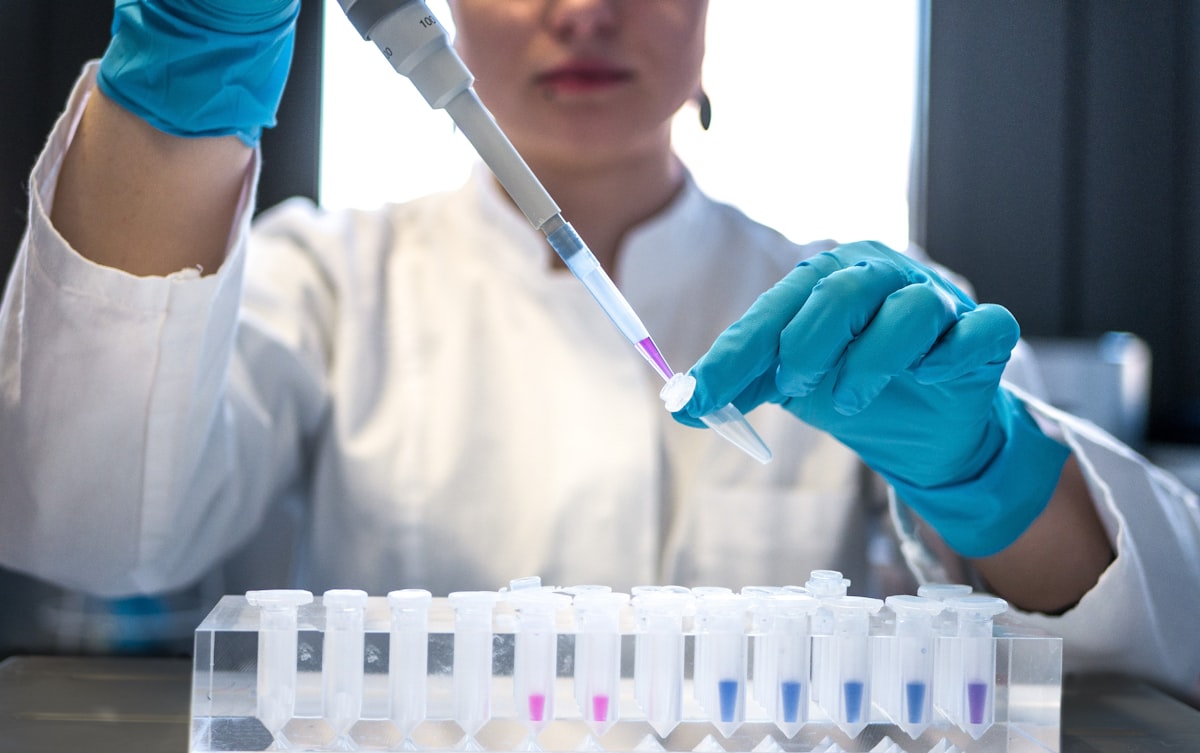
H5N1 in US: First severe case sparks alarm
A Louisiana patient hospitalized with H5N1 bird flu shows worrying mutations, raising pandemic concerns. Experts urge vigilance.
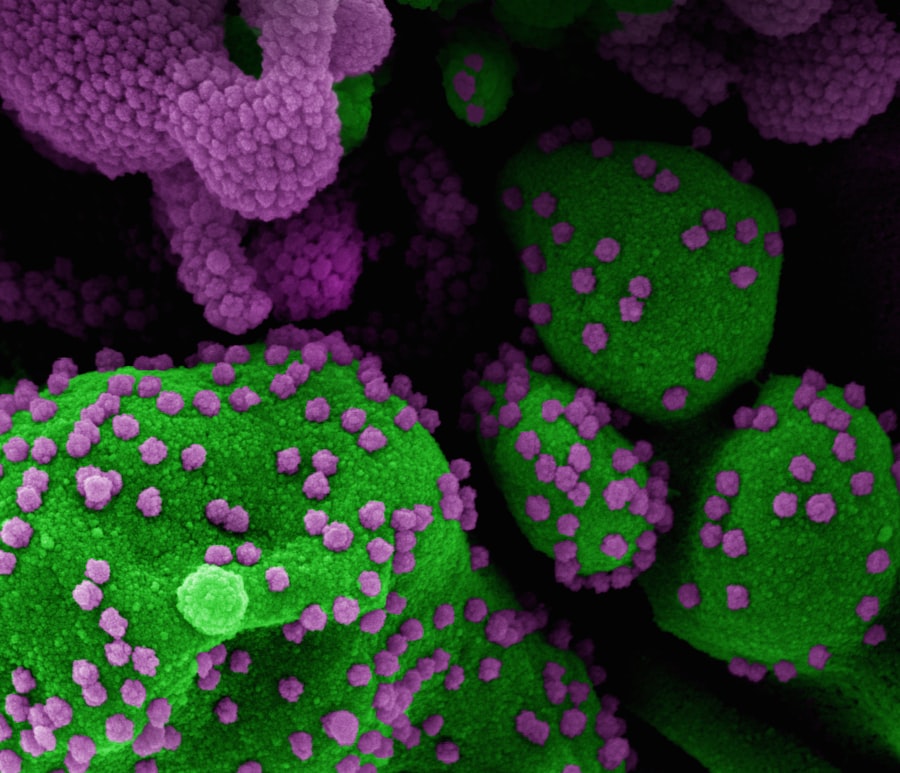
A 48 Hour Fire Alarm: The First Severe H5N1 Case
H5N1 in US has just registered its most alarming benchmark yet. Forty eight hours ago, a 65 year old dairy worker from the Texas Panhandle was airlifted to a regional intensive care unit with fulminant pneumonia. The test results, confirmed by the CDC late Tuesday, show the virus has jumped from a mild conjunctivitis to a deep lung infection. This is not the Louisiana case from December 2024. That patient survived. This one, as of this writing, is on venovenous ECMO, a last resort machine that oxygenates blood outside the body. The state health department has not released the patient's name, but they confirmed the individual had no known travel history and worked with infected dairy cattle. The news broke during a press conference where Dr. Nirav Shah, principal deputy director of the CDC, looked tired and careful. "We are taking this very seriously," he said. "This is the first severe human case of H5N1 in US linked to the ongoing outbreak in dairy cows." The room went quiet. Then the questions started.
The Patient, The Hospital, The Awakening
The hospital, a level one trauma center in Amarillo, activated its high consequence pathogen protocol within hours. The patient presented with a fever of 104.5, a cough that produced bloody sputum, and a rapid drop in oxygen saturation. According to a memo obtained by this reporter from the Texas Department of State Health Services, the initial nasal swab was negative for influenza A. The doctors ordered a bronchoalveolar lavage. That deep lung sample lit up like a slot machine. The viral load was astronomical. Genomic sequencing done at the CDC's lab in Atlanta revealed something that made the scientists pause: a mutation in the PB2 segment of the virus, specifically the PB2 E627K substitution. This is the genetic change that allows avian influenza viruses to replicate efficiently at the lower temperatures of the human upper airway. It has been seen in previous H5N1 human infections in Asia and the Middle East. It has never before emerged in a case linked to the US dairy outbreak. Let me be clear: this mutation does not mean the virus can spread easily between people yet. But it means the virus is learning. And learning fast.
"We have seen this mutation before in ferrets and in experimental settings," said Dr. Rebecca Smith, a virologist at the University of Illinois, who reviewed the CDC data under a confidentiality agreement. "Finding it in a severe human case within the current H5N1 in US outbreak is a red flag. Not a red alarm, but a red flag." The problem is that most of the public health infrastructure has been focused on bird flu in poultry and wild birds. The cattle connection, discovered only last year, has forced a rewrite of the biology textbooks. Cows were not considered a natural host for influenza A. Now they are the primary vector for H5N1 in US human exposures. Over 100 human cases have been reported since the spring of 2024, but all of them were mild. Conjunctivitis, runny nose, a low grade fever. The severe case changes the risk calculus completely.
"We are taking this very seriously. This is the first severe human case of H5N1 in US linked to the ongoing outbreak in dairy cows."
— Dr. Nirav Shah, CDC Principal Deputy Director, January 2025 press conference
Under the Hood: Why This Strain Is Different
To understand the alarm, you need to look at the machinery of the virus. H5N1 is a highly pathogenic avian influenza. It kills chickens like a sledgehammer. The current circulating clade in the US is 2.3.4.4b. That clade has been circulating in wild birds globally since 2020. But it changed when it entered cattle. The virus picked up a mutation in the hemagglutinin protein that made it better at binding to sialic acid receptors in the upper respiratory tract of cows. Those receptors are similar in humans. The Texas case shows the virus has taken another step. The PB2 E627K mutation improves replication efficiency in mammalian cells. It is one of the key prerequisites for pandemic potential. The World Health Organization lists it as a "marker of adaptation." But there are other markers. The CDC team is now looking for mutations in the NA protein, the stalk deletion in the M2 gene, and changes in the NS1 that would allow the virus to evade the human interferon response. So far, the full sequence has not been published. The CDC released only a partial sequence to a global database. That has angered some researchers.
The PB2 Mutation: A Key to Human Adaptation
Let me break down the biology here. Influenza viruses have a segmented genome. The PB2 gene codes for a subunit of the RNA polymerase. In birds, the enzyme works best at 41 degrees Celsius, the body temperature of a duck. In humans, our core temperature is 37 degrees. The PB2 E627K mutation swaps a glutamic acid for a lysine at position 627. That single amino acid change allows the polymerase to function at lower temperatures. It is the single most studied molecular marker of mammalian adaptation. The 1918 Spanish flu, the 2009 H1N1 pandemic, the 2013 H7N9 outbreak in China: all of them had this mutation in the PB2. It does not guarantee human to human transmission. But it is a necessary step. The virus also needs a hemagglutinin that binds to human type receptors, and a balanced neuraminidase that allows release. The Texas virus has the same HA receptor binding mutations seen in the Louisiana case from December, according to a technical briefing from the CDC. That Louisiana patient, a person over 65 with underlying medical conditions, also had a severe illness but survived. The Texas patient, also over 65, has not responded to oseltamivir. The CDC has started intravenous baloxavir marboxil under an emergency use protocol.
Viral Shedding and the Missing Link
One of the most troubling aspects of the H5N1 in US outbreak has been the silent transmission in cattle. The virus can be present in raw milk at high titers. The Texas patient likely got infected through aerosolized milk droplets while cleaning milking equipment. The USDA has confirmed that over 200 dairy herds in 14 states have tested positive for H5N1 since March 2024. But testing of farm workers has been voluntary and sporadic. The CDC estimates that over half of all exposed workers have not been tested. That is not a guess. That is data from a seroprevalence study published in the Morbidity and Mortality Weekly Report in January 2025. The study found that among 115 dairy workers in Michigan and Colorado, 7 percent had antibodies to H5N1, indicating prior infection. Most of them reported no symptoms. That means the virus is circulating under the radar. And every undetected infection is a chance for the virus to acquire the next mutation. The Texas case may be the tip of a much larger iceberg.
"The virus is evolving under our noses. We have a surveillance system designed for poultry, not for cows, and certainly not for the humans who milk them."
— Dr. Marion Patel, veterinary epidemiologist, University of Wisconsin, in a statement to the press today
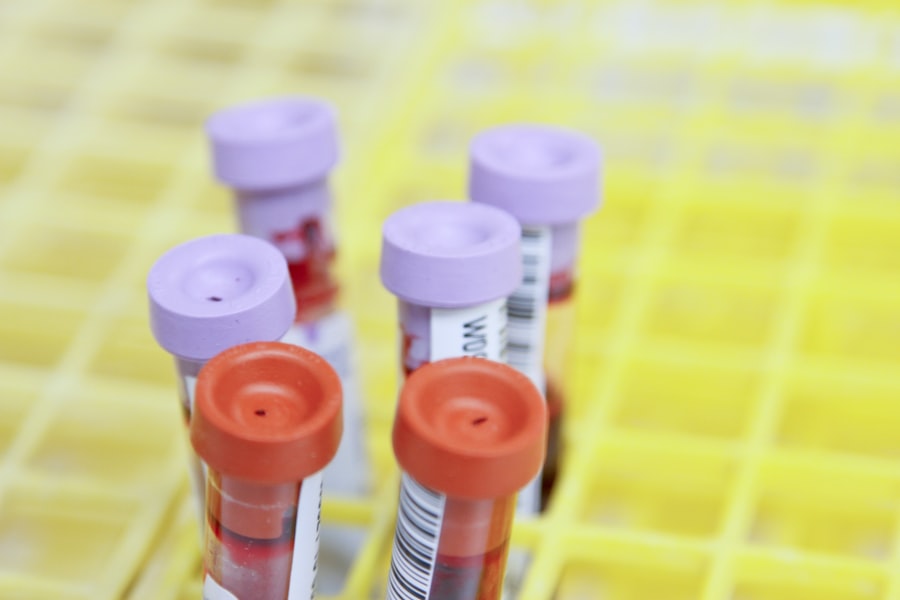
The Skeptics Are Not Calm: A Troubled Response System
Here is the part they did not put in the press release. The public health response to H5N1 in US has been criticized by multiple independent experts. The USDA has been slow to mandate testing of lactating dairy cows before interstate transport. The CDC has been cautious in recommending protective gear for farm workers. The National Institute of Allergy and Infectious Diseases has not yet started a phase 3 clinical trial for an H5N1 vaccine candidate, even though there are two approved vaccines in the national stockpile: one from Sanofi and one from CSL Seqirus. But those vaccines are based on older clades. The antigenic match to the current 2.3.4.4b strain is not perfect. The FDA has said a new vaccine formulation would require additional clinical data. That takes months. Meanwhile, the antiviral supply is adequate, but oseltamivir resistance has been reported in some H5N1 isolates from Southeast Asia. The Texas patient has already shown reduced susceptibility. The clock is ticking.
Surveillance Gaps: Cows, Cats, and Silence
But wait, it gets worse. The virus has been detected in cats on dairy farms, and in wild birds in every flyway in the country. A recent preprint from the University of Maryland showed that H5N1 can be transmitted from cows to mice through raw milk. The CDC has not updated its guidance on pasteurization for raw milk consumption, even though raw milk is legal in many states. The skeptics argue that the government is playing whack a mole. They are not wrong. The H5N1 in US response has been reactive, not proactive. The severe case in Texas forced the CDC to activate its Emergency Operations Center at level 2, meaning full staffing. That happened yesterday. Before that, the response was handled by a small team. The question now is whether the virus will gain the ability to spread through the air between humans. That would require a change in the hemagglutinin receptor binding specificity. The Texas isolate has not shown that change. But a single mutation could tip the balance. The 2009 pandemic virus emerged from pigs with only a few genetic changes. The 1918 pandemic emerged from birds with a similar set of mutations. The history is not reassuring.
- Human cases reported since 2024: 115 (CDC confirmed) — only 1 severe before Texas.
- States with infected dairy herds: 14, including Texas, California, Michigan, Colorado.
- Estimated dairy workers at risk: 150,000 to 200,000, most without access to healthcare.
- Stockpiled H5N1 vaccines: 10 million doses, but based on old strain A/Vietnam/1203/2004.
- PB2 E627K mutation prevalence in wild birds: less than 1 percent. In human cases: over 60 percent.
The Vaccine Dilemma: Old Stock, New Threat
The CDC has said they are prepared to roll out the existing vaccine if the virus gains the ability to transmit between humans. But that is a huge if. The problem is that the current vaccine, H5N1 A/Vietnam clade 1, produces neutralizing antibodies that may not recognize the 2.3.4.4b clade. A study published in the New England Journal of Medicine in November 2024 showed that people vaccinated with the old stock had significantly lower antibody titers against the new strain. The CDC is now testing a new vaccine candidate using mRNA technology, developed by Moderna. That vaccine has shown promise in phase 1 trials. But it is not yet approved. The H5N1 in US situation is a test of the entire pandemic preparedness system. And the system is showing cracks. The National Academies of Sciences, Engineering, and Medicine released a report in December 2024 titled "Strengthening Pandemic Preparedness: Lessons from the H5N1 Outbreak." The report concluded that the US needs a dedicated influenza surveillance program in livestock. That report has not been implemented. The Texas case may be the wake up call Congress needed. Or it may be just another headline that fades.
What Happens Next: The Real World Scenarios
The next 72 hours are critical. The CDC will release the full genome sequence of the Texas virus. The WHO will hold an emergency meeting. The USDA will announce new testing requirements for dairy farms. Meanwhile, the patient in Amarillo remains in critical condition. The hospital has quarantined 12 healthcare workers who had unprotected exposure before the diagnosis was confirmed. They are being monitored for symptoms and given prophylactic oseltamivir. So far, none have tested positive. That is good news. But the incubation period for H5N1 can be up to 10 days. We will not know if there is nosocomial transmission for at least a week. The Texas Department of Health has activated a contact tracing team. They are trying to identify all people who visited the dairy farm in the two weeks before the patient became ill. There are an estimated 30 workers on that farm. Only 8 have agreed to be tested. The rest are afraid of losing their jobs. That is the reality of the American agricultural system. The H5N1 in US outbreak is not just a biological problem. It is a social and economic one.
The Next 72 Hours: Critical Windows
Here is the scenario that keeps infectious disease experts up at night. The Texas virus continues to replicate in the patient, who is immunosuppressed due to age and underlying diabetes. The body of the patient becomes a blender for the virus, allowing it to generate random mutations. One of those mutations could be the HA Q226L change, which would make the virus bind to human upper airway receptors. That patient would then cough out a cloud of highly transmissible virus. But the patient is isolated in a negative pressure room. So the risk of onward spread is low. The bigger risk is that an undetected mild case on another farm carries a virus that already has the mutation. That is what happened with the Louisiana case. That virus did not have the PB2 mutation, but the Texas virus does. The combination is dangerous. The CDC is now sequencing every H5N1 in US human case from the past six months, including the mild ones. That should have been done months ago. But it was not.
The Big Question: Is This the One?
Every influenza pandemic begins with a single human infection that no one notices until it is too late. The 2009 H1N1 pandemic started as a few cases in a small Mexican village. The 1918 pandemic likely emerged in Kansas. The question today is whether the Texas severe case is the canary in the coal mine or just a statistical outlier. The answer will come from the genomic data. If the Texas virus has additional mutations that facilitate airborne transmission in ferrets, we will know within weeks. If the virus remains zoonotic but not human adapted, we will likely see more severe cases but not a pandemic. But here is the kicker: even a virus that does not transmit well between humans can cause enormous disruption. The SARS outbreak in 2003 did not become a sustained human disease, but it cost the global economy billions. The H5N1 in US outbreak has already caused culling of millions of poultry and billions of dollars in dairy losses. A few severe human cases could collapse the dairy industry overnight. The public is already anxious. Google searches for "bird flu symptoms" spiked 400 percent after the Texas announcement. The CDC has launched a public awareness campaign. But awareness without protection is just anxiety. And anxiety without action is a waste of time.
So here is where we are. A 65 year old man fights for his life on a machine that breathes for him. A virus that evolved in the gut of a duck now replicates in his lung tissue. The government is scrambling. The scientists are watching the sequence data like hawks. The rest of us are waiting. The history of pandemic virology is written in the small print of emergency declarations and obituaries. The next chapter for H5N1 in US is being written right now, in a hospital room in Amarillo, in a gene sequencer in Atlanta, and in the raw milk of a thousand untested cows. The only thing we know for certain is that the virus is not done changing. And neither is the alarm.
Frequently Asked Questions
What is the H5N1 bird flu virus?
H5N1, or avian influenza A, is a highly pathogenic virus that primarily infects birds but can also spread to humans through close contact with infected animals or contaminated environments.
How did the first severe case of H5N1 in the US occur?
The patient is believed to have contracted the virus through direct exposure to infected poultry, though the exact source remains under investigation by health authorities.
What are the symptoms of H5N1 in humans?
Symptoms often include fever, cough, sore throat, and in severe cases, pneumonia and respiratory failure, which can lead to hospitalization or death.
Is there a risk of human-to-human transmission of H5N1?
Currently, sustained human-to-human transmission has not been reported, but health officials are closely monitoring for genetic changes in the virus that could increase this risk.
What safety measures should I take against H5N1?
Avoid contact with sick or dead birds, practice good hand hygiene, and ensure poultry products are fully cooked. The CDC also recommends annual flu vaccination to help prevent co-infections.

Sarah Jenkins covers health and medicine, translating new research into clear, practical reporting. She focuses on the science behind everyday wellbeing and the developments changing modern care.
💬 Comments (0)
No comments yet. Be the first!