Finerenone: A New Hope for Kidney Disease?
New large-scale studies suggest the drug finerenone may protect kidney function and improve survival for millions more patients.

Finerenone may soon change how millions manage their kidney health. But it's not just for a small group anymore. New research indicates this medication, previously reserved for specific diabetic cases, could benefit a much wider group of patients by expanding its potential reach across diverse populations who need it most.
Beyond Diabetes Treatments
It’s a massive global problem. Doctors have long looked for better ways to slow the progression of chronic kidney disease, and this condition affects roughly 850 million people around the world. But as it progresses, the risk of heart failure, hospitalization, and death climbs fast.
Finerenone blocks mineralocorticoid receptors. When these receptors are overactive, they cause inflammation and scarring within the kidneys, a process that can lead to serious damage over time. So it helps preserve kidney function by stopping that process.
The Evidence for Wider Use
Researchers examined how the drug performs in patients who don't have diabetes. It's a big study. The FIND-CKD trial followed 1,584 people across 24 countries, and those taking the medication saw a slower decline in kidney function compared to those receiving only standard care.
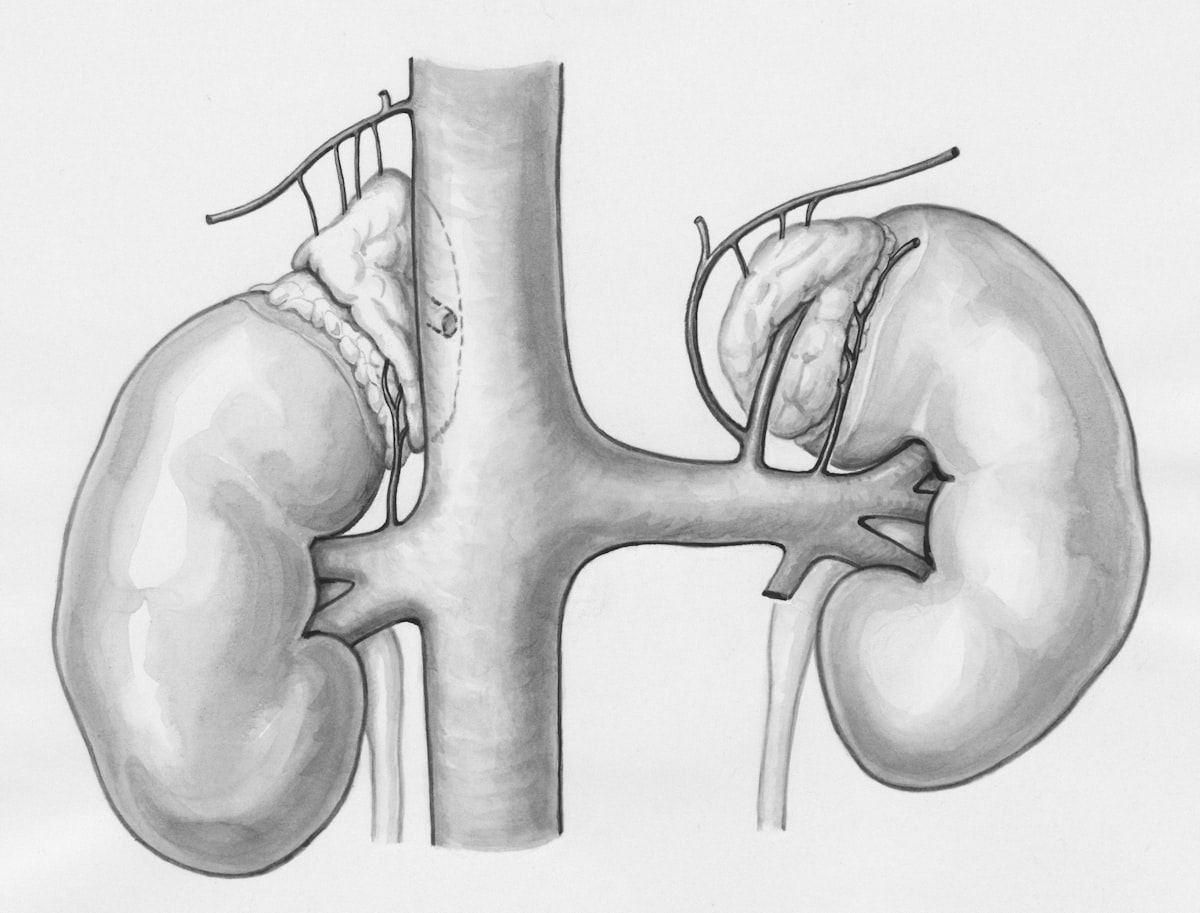
The study showed clear benefits for heart and kidney health:
- A 23 percent reduction in the combined risk of kidney failure, worsening CKD, heart failure, or cardiovascular death.
- A 26 percent lower risk of progression in patients with glomerular diseases.
- A 42 percent decrease in protein levels in urine after 12 months.
A Larger Look at Survival
Data from over 14,000 participants confirmed these trends. But it's a 12 percent reduction in the risk of death from any cause that experts found by pooling results from multiple studies. It also cuts hospitalizations for heart failure by 20 percent. That matters.
Addressing this unmet need is critical, as improving outcomes in non-diabetic chronic kidney disease has the potential to substantially reduce the global burden of kidney disease, says Associate Professor Brendon Neuen, a lead clinical trialist.
What This Means for You
Start by talking with your medical provider. It's generally well tolerated in these large groups, but elevated blood potassium levels occurred more frequently among those taking the medication than in the placebo groups. But watch one detail.
But here's the good news: hospitalizations or stopping treatment due to these potassium issues were rare. The results suggest that the benefits stay consistent regardless of your specific type of kidney disease or current kidney function level, so you don't need to worry about your diagnosis limiting what you can gain. It's a solid finding.
The Future of Care
This development is significant. But we're closer to a foundational therapy that works for a much broader population, which is a serious problem because most people with chronic kidney disease don't actually have diabetes and they've historically had very few effective treatment options to slow the disease down. It's a big step.
Don't ignore this. If you or a loved one are managing kidney health, keep an eye on how these clinical findings influence future care standards because they could lead to fewer complications and better long term health outcomes. So this might be a path worth watching.
Frequently Asked Questions
What is finerenone and how does it work for kidney disease?
Finerenone is a medication that blocks mineralocorticoid receptors. When these receptors are overactive, they cause inflammation and scarring within the kidneys, so finerenone helps preserve kidney function by stopping that process.
What did the FIND-CKD trial find about finerenone's benefits in non-diabetic patients?
The FIND-CKD trial followed 1,584 people across 24 countries and found that those taking finerenone saw a slower decline in kidney function compared to those receiving only standard care. It showed a 23 percent reduction in the combined risk of kidney failure, worsening CKD, heart failure, or cardiovascular death.
How does finerenone impact survival rates and hospitalizations?
Pooled results from multiple studies showed a 12 percent reduction in the risk of death from any cause. It also cuts hospitalizations for heart failure by 20 percent.
Are there any side effects or risks associated with finerenone?
Elevated blood potassium levels occurred more frequently among those taking finerenone than in placebo groups. However, hospitalizations or stopping treatment due to these potassium issues were rare.
Who might benefit from finerenone according to the article?
The article suggests finerenone could benefit a much wider group of patients, not just those with diabetes. The benefits stay consistent regardless of your specific type of kidney disease or current kidney function level.

Sarah Jenkins covers health and medicine, translating new research into clear, practical reporting. She focuses on the science behind everyday wellbeing and the developments changing modern care.
💬 Comments (0)
No comments yet. Be the first!