England targets 60% pupils active travel to school by 2035
Ministers are launching a major push for children to walk and cycle to school, with a target of 60% pupils active travel to school by 2035.
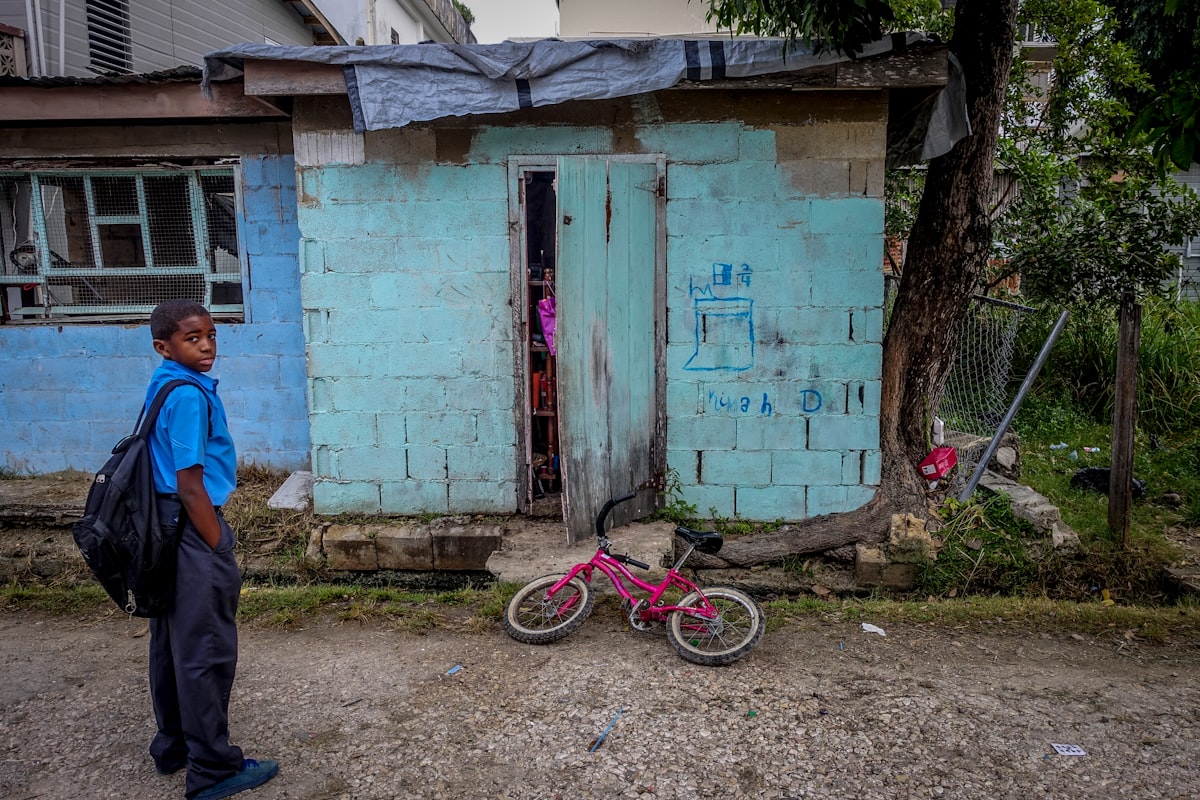
England targets 60% pupils active travel to school by 2035
The government's plan is bold. Ministers want 60% of all pupils to walk, cycle, or scoot to school by 2035, a massive shift that weaves physical activity into the daily routines of young people across England. This will become the norm. It's a major policy change designed to make active travel a standard part of the school commute for most children.
It’s a simple fact: 45% of students already walk or bike to school. But Transport Secretary Heidi Alexander's new strategy pledges thousands of new safe routes and crossings specifically around school areas, aiming to construct 5,000 active travel routes and 10,000 crossings by 2030. That lays the groundwork for the 2035 target.
How the new plan boosts pupils active travel to school
This renewed focus on pupils active travel to school comes with a promised investment of £4.5 billion over five years. But it's not just for younger kids anymore. Unlike previous efforts that often concentrated on younger primary school children who typically live closer to their schools, this strategy encompasses all pupils aged five to 16, acknowledging the challenges older students face and aiming to provide viable alternatives to car-dependent commutes. That's a broader scope.
Transport Secretary Heidi Alexander made the strategy's focus clear. But she stressed its dedication to addressing "everyday travel needs" instead of being consumed by massive national projects like HS2 and the new state-owned rail firm, Great British Railways. "There is a world in which you only talk about planes, trains, and automobiles, and I’ve been very clear that I didn’t want that to happen," she said. It's about grassroots change. Alexander underscored the importance of shifting how people actually move day to day.
Shifting from a Driver-Centric Approach
The current government's push for active travel stands in contrast to the previous administration's "plan for drivers," which had sought to curb council initiatives aimed at making streets safer for cyclists and pedestrians. So Alexander was keen to distance the new strategy from any perception of animosity towards drivers. It's not anti-car. But that doesn't change the fact that this plan shifts priorities dramatically, focusing on walking and cycling while still aiming to keep everyone moving in a more balanced, less confrontational way.
“Most people in this country drive,” she said. “They walk, they cycle, they might use public transport, they might jump on a bus, they might use a train, and so trying to divide people into different categories is a complete waste of time.”
This approach aims to be inclusive. It recognizes that most of us use a combination of transport methods, so the emphasis is on encouraging any form of active travel, but we don't dictate specific modes. That's key.
Broader Aims and Public Health Connections
Beyond the school gates, the strategy also sets a target for at least 55% of all shorter urban trips to incorporate some form of active travel by 2035. But a key change from the previous strategy, introduced under Boris Johnson, is the redefinition of what counts toward this target. It's a broader approach now. The updated definition includes "stages," meaning that journeys combining active travel with other modes, such as cycling to a train station, will be counted, and this broader definition aims to capture a fuller picture of how active travel is integrated into daily life. So we've got a more complete view.
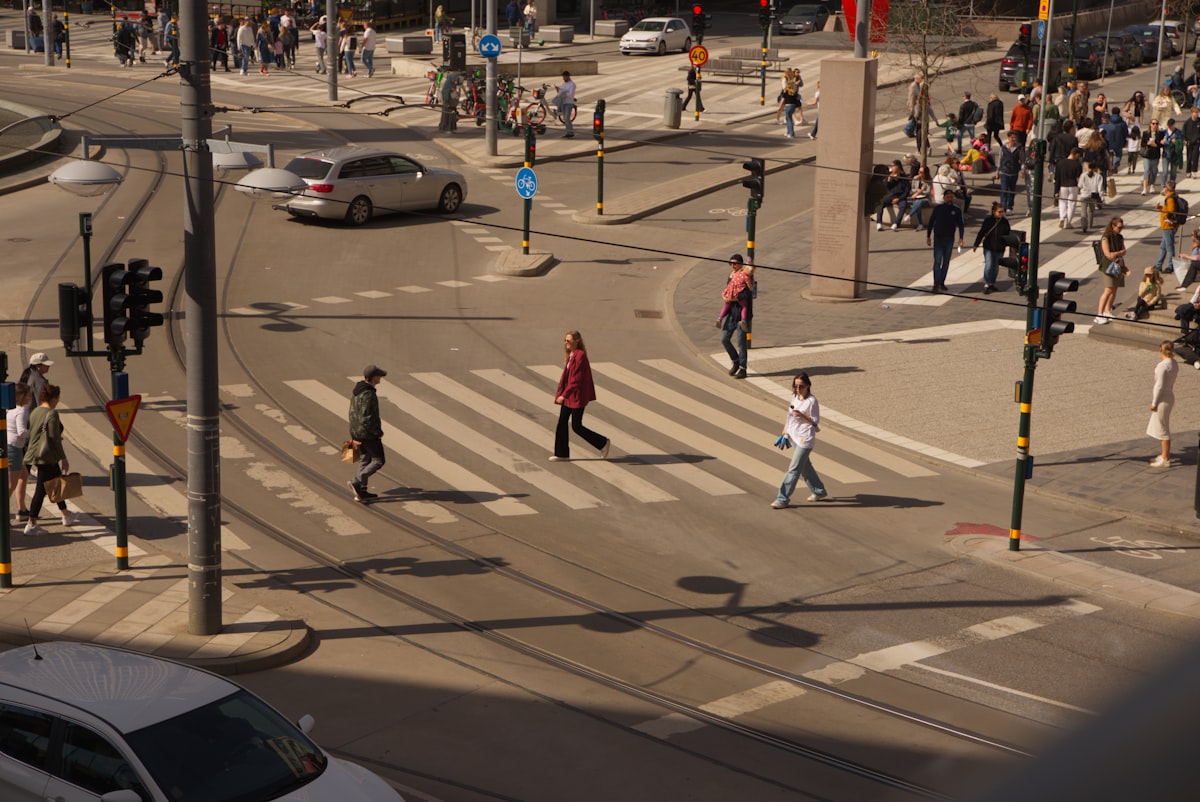
Alexander highlighted two big benefits of active travel. It's affordable, and it's good for public health too. She referenced advice from England's Chief Medical Officer, Chris Whitty, who suggested that encouraging inactive individuals to adopt even minimal physical activity would be a major public health achievement. So the strategy aims to help everyone, including those doing "absolutely nothing," to start moving more.
Personal Investment and Real-World Impact
The Transport Secretary revealed a personal connection to the initiative. She's a self-described "overweight 51 year old woman," and she sees the strategy as a means to encourage individuals like herself to become more active, while acknowledging the demanding nature of her role and her own efforts to integrate physical activity into her life. But it's not easy.
She's skeptical. Focusing only on formal sports or structured exercise programs like "couch to 5k," which she found personally challenging, doesn't seem effective to her. So she believes the strategy's focus on making everyday journeys more active, such as cycling a short distance to a local shop, offers a more achievable and sustainable path to increased physical activity for a broader segment of the population.
Key Targets and Investments
- Target for 60% of pupils to actively travel to school by 2035.
- Target for 55% of shorter urban trips to include active travel by 2035.
- Commitment of £4.5 billion in active travel spend over five years.
- Goal to create 5,000 new active travel routes by 2030.
- Goal to create 10,000 new crossings by 2030.
Campaigners had criticized earlier drafts. They said specific targets were missing. But the final plan now includes those exact metrics, aiming to make the cycling and walking investment strategy this time around more concrete in its objectives and much easier to measure in its outcomes. Success hinges on transforming how pupils travel to school actively. It also depends on integrating movement into the very fabric of daily life across England.
Frequently Asked Questions
What is the target for pupils actively traveling to school in England by 2035?
The government aims for 60% of all pupils to walk, cycle, or scoot to school by 2035. This target is part of a major policy shift to make active travel a standard part of the school commute.
How does the new strategy differ from previous efforts in terms of the age group covered?
Unlike previous efforts that often focused on younger primary school children, this strategy encompasses all pupils aged five to 16. It acknowledges the challenges older students face and aims to provide viable alternatives to car-dependent commutes.
Why is Transport Secretary Heidi Alexander skeptical of programs like 'couch to 5k'?
She found 'couch to 5k' personally challenging and believes it is not effective for everyone. She thinks the strategy's focus on making everyday journeys active, like cycling to a local shop, offers a more achievable path to increased physical activity.
What specific infrastructure investments are planned to support active travel to school by 2030?
The plan pledges to construct 5,000 active travel routes and 10,000 crossings around school areas by 2030. These investments lay the groundwork for the 2035 target of 60% pupil active travel.
Who is the Transport Secretary quoted in the article, and what personal connection does she have to the initiative?
Transport Secretary Heidi Alexander is quoted, and she describes herself as an 'overweight 51 year old woman' who sees the strategy as a means to encourage individuals like herself to become more active. She acknowledges the difficulty of integrating physical activity into her demanding role.

Hanna Schmidt writes about health, nutrition and wellbeing, separating evidence from the noise. She covers how lifestyle and science come together to shape long-term health.
💬 Comments (0)
No comments yet. Be the first!