Echinococcus multilocularis Arrival in Pacific NW
The detection of Echinococcus multilocularis in Puget Sound coyotes shifts public health focus to wildlife-borne parasitology.

Echinococcus multilocularis detected in Pacific Northwest coyotes
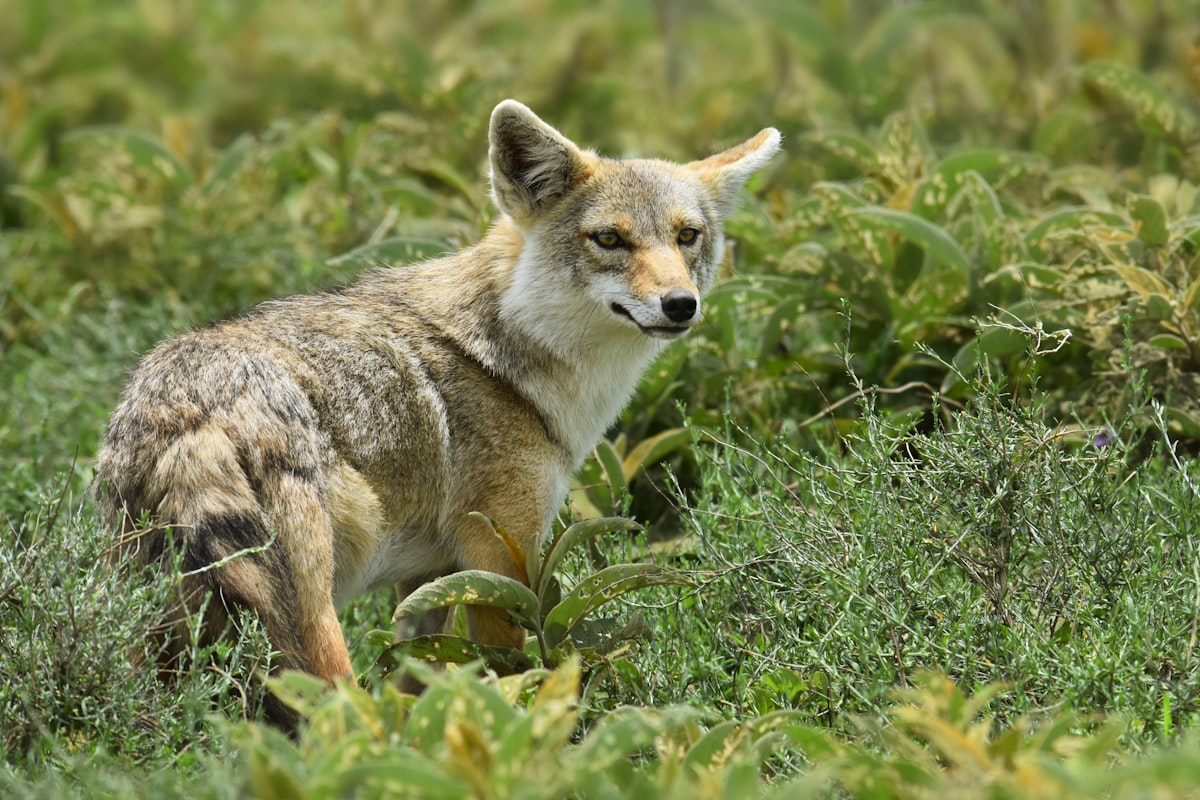
Echinococcus multilocularis is now confirmed within the Pacific Northwest. That's a major shift. Recent investigation found the organism in one-third of coyotes sampled in the Puget Sound region, and this represents the first time the parasite has been identified in a wild host along the contiguous United States West Coast. But its presence here was previously unrecorded, so its movement across the continent highlights an expanding biological range that requires attention from public health officials and veterinary practitioners.
Understanding the transmission cycle
The parasite moves through a defined life cycle. But it's a journey that depends entirely on specific interactions between hosts, where coyotes and other canids serve as primary hosts for the adult tapeworm and often carry heavy worm burdens without ever showing signs of illness. So the life cycle involves the following elements.
- Primary hosts: Coyotes and wild canids shed parasite eggs through feces.
- Intermediate hosts: Rodents consume food contaminated with these eggs.
- Disease progression: Cysts develop in the livers of infected rodents.
- Transmission: Canids become infected by consuming these infected rodents.
Humans and domestic dogs are accidental hosts. Infection happens when they ingest tapeworm eggs. But once inside the body, the parasite can cause alveolar echinococcosis, a condition defined by slow-growing, metastatic cysts that primarily target the liver, and because symptoms may stay dormant for five to fifteen years after exposure, the clinical challenge for diagnosis is substantial.
Shifting risks for domestic animals
Change is necessary. But many animals remain asymptomatic, so the risk of severe disease still exists for those in affected areas. Guilherme Verocai, director of the Parasitology Diagnostic Laboratory at the Texas A&M University College of Veterinary Medicine and Biomedical Sciences, offers clear guidance for owners. Don't let dogs prey on rodents. He also recommends routine veterinary care, which includes parasite testing and preventative medications for worms.
Analyzing the European variant
This move sits within a broader pattern of biological movement. But it's not entirely new. Earlier documented cases in North America, specifically in northwestern Alaska, involved a different tundra variant, showing this isn't the first time such a strain has emerged. The current strain identified in Pacific Northwest coyotes is associated with a European origin, which is described as more infectious. So we've seen a shift. Looking at the wider sector, the arrival of this strain confirms that the version currently dominant in Canada and parts of the United States has successfully established a foothold in new territory, spreading further than before. The exact mechanism of this introduction remains unclear, with theories ranging from the transport of infected dogs to historical imports of wild animals for hunting.
Strategic implications for public health
The deeper question is positioning for long-term monitoring. But it's not just a theoretical exercise. As this parasite is recognized by the World Health Organization as one of the top 20 neglected tropical diseases, the expansion into the West Coast warrants a shift in surveillance strategy. Seven documented canine cases have appeared in Washington, Oregon, and Idaho since 2023. Human infections remain rare and haven't been reported on the West Coast, but the environmental presence of the parasite is now a reality we can't ignore.
The fact that we found it here in one-third of our coyotes was surprising, because it wasn't found anywhere in the Pacific Northwest until earlier this year.
Yasmine Hentati, lead researcher on the project, provided this observation that highlights the speed at which the parasite has become part of the local ecosystem. It's alarming. The high prevalence in coyotes is linked to their diet of wild rodents, which serves as the primary infection pathway, but most domestic dogs don't consume raw rodent livers, providing a barrier against widespread domestic transmission. So environmental shedding of eggs continues to be a factor for concern.
Future directions in parasite surveillance
Tracking the spread remains the focus. We're refining diagnostic outreach and have identified Echinococcus multilocularis in this population, which should prompt increased wildlife surveillance. But stakeholders now face a critical question. They must assess whether expanded monitoring programs are necessary to determine if the parasite is spreading to other host populations. Awareness is our primary defense. Among the public and the veterinary community, it's the best tool we've got against the long-term health risks associated with this agent.
Frequently Asked Questions
What is the significance of finding Echinococcus multilocularis in Pacific Northwest coyotes?
The detection of Echinococcus multilocularis in one-third of coyotes sampled in the Puget Sound region marks the first time the parasite has been identified in a wild host along the contiguous United States West Coast. This highlights an expanding biological range that requires attention from public health officials and veterinary practitioners.
How does the transmission cycle of Echinococcus multilocularis involve coyotes and rodents?
Coyotes and wild canids serve as primary hosts, shedding parasite eggs through feces. Rodents become intermediate hosts by consuming food contaminated with these eggs, leading to cyst development in their livers, and canids become infected by eating these infected rodents.
Why is the European variant of Echinococcus multilocularis considered more concerning than the tundra variant?
The European variant identified in Pacific Northwest coyotes is described as more infectious compared to the tundra variant previously documented in northwestern Alaska. This strain has successfully established a foothold in new territory, spreading further than before.
What specific guidance does the article provide for dog owners to reduce infection risk?
The article advises dog owners not to let dogs prey on rodents and to ensure routine veterinary care, including parasite testing and preventative medications for worms. Most domestic dogs do not consume raw rodent livers, which provides a barrier against widespread domestic transmission.
How common are human infections with Echinococcus multilocularis on the West Coast according to the article?
Human infections remain rare and have not been reported on the West Coast, but the environmental presence of the parasite is now a reality. The article emphasizes that awareness among the public and veterinary community is the primary defense against long-term health risks.

Matteo Ricci reports on medicine and public health, from clinical breakthroughs to the systems that deliver care. He is committed to explaining complex health topics in a way readers can act on.
💬 Comments (0)
No comments yet. Be the first!