Creatine Use Among Teens: The Real Safety Check
Creatine use among teenagers has exploded, but research on its long-term safety for developing bodies is almost nonexistent. Here's the honest take.

Creatine use among teenagers has exploded. You've probably seen the buzz if you've got a teen in your life or you are one, and new data shows a dramatic rise in how many young people are turning to this supplement. But is it actually safe for developing bodies? That big question mark hangs in the air while the numbers climb.
The Shocking Rise of Creatine in High Schools
Something significant shifted in American high schools between 2019 and 2024. Forget the old concerns about steroid use; that actually declined in some areas. But legal, over-the-counter creatine supplements have taken center stage instead. They're affordable. They're heavily pushed on social media, and now a considerable number of teen boys are using them.
A study tracking more than 870,000 adolescents over two decades laid out the stark reality. The overall use of creatine among young people jumped from 6.29% in 2019 to 9.68% by 2024. That’s a big leap in just five years.
Who's Using It?
Let's break down those numbers:
- Among teen boys, creatine use doubled. It went from 8.71% in 2019 to a staggering 16.57% in 2024. That's almost one in every six boys.
- For girls, the increase was even more pronounced. Their use more than doubled, climbing from 1.22% to 3.27% in the same period.
What's driving this? Researchers suggest it's a behavioral shift. Teens are moving away from banned substances like steroids towards legal alternatives that promise similar body composition benefits without the legal and health stigma. Social media, online fitness communities, and easy product access all play a part.
Lead researcher Philip Veliz observed this trend. He noted the positive side:
"What surprised me was that steroid use did not increase over the past five years among adolescents. This is a positive finding, but additional research is needed."
But there is more to the data. This shift, while seemingly positive in avoiding steroids, brings new questions about the safety of creatine use among teenagers.
What Exactly Is Creatine?
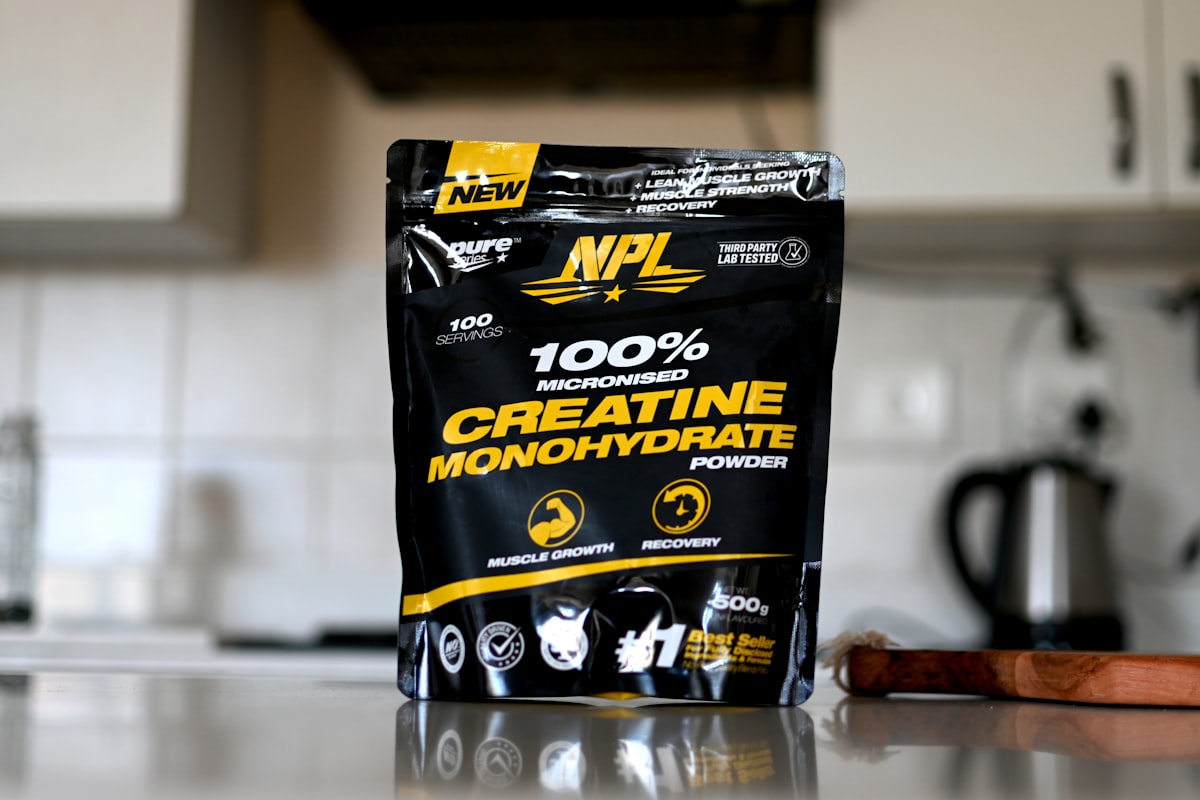
Let me explain it the way a doctor would. Creatine monohydrate is a compound your body already makes naturally from amino acids, mainly in your liver and kidneys, but you also get it from foods like red meat and seafood. So it's stored in your muscles, heart, and brain.
Its job? It's like a quick-charge battery for your muscles. During short, intense bursts of activity , think lifting weights or sprinting , creatine helps your body rapidly create energy. Supplementing with creatine can increase these muscle stores by about 15-40%. For adults, this can mean delaying fatigue during maximal effort activities lasting 10 seconds or less, increasing power, speeding up recovery between sets, and supporting lean muscle gains over time.
Here is the deal: creatine is not a steroid. It's not a hormone. It’s not a controlled substance. In the U.S., it's a dietary supplement you can pick up almost anywhere.
The Real Safety Check: What We Don't Know for Teens
This is where it gets critical. So we can't just assume that creatine is safe for teenagers because it's proven fine for healthy adults, since that research doesn't directly apply to developing adolescent bodies.
A Glaring Lack of Teen-Specific Research
A recent, comprehensive review looking at creatine safety in adolescents from 2015 to 2025 found something alarming: only five studies met the strict criteria for evaluating safety in young people. Five studies! That's a tiny sliver of data when considering the millions of teenagers potentially using it.
These few studies have significant limitations:
- Short-term use: Most of these studies only covered a few weeks to a few months. But today's teenagers might start using creatine in early high school and continue for years. We have virtually no safety data for this long-term use in adolescents.
- Supervised settings: The teens in these studies used creatine under strict research protocols, with specific dosing, monitoring, and dietary guidance. This is a world away from how most teens use it , unsupervised, often based on social media trends or peer advice.
Orlando Health Arnold Palmer Hospital for Children put it bluntly. There is virtually no scientific evidence to assess the safety or effectiveness of creatine in adolescents, and reports have linked its use to liver and kidney problems, dehydration, muscle cramps, and compartment syndrome. But remember, these studies were conducted in adults.
The Kidney Function Conundrum
Here's a specific concern: creatine supplementation can elevate serum creatinine, the standard marker doctors use to check kidney function, but it does so in a way that doesn't actually mean your kidneys are damaged. That's the real problem. It can falsely increase creatinine levels and potentially hide real, early kidney injuries. So imagine trying to spot a red flag when everything is already looking red. It's a mess.
A case report from early 2026 highlighted this. An adolescent with acute kidney injury and rhabdomyolysis had their clinical picture complicated precisely because creatine use obscured the severity of their kidney function changes.
Who Should ABSOLUTELY Avoid Creatine (Without a Doctor's Go-Ahead)?
The medical consensus is clear: certain teenagers should not take creatine without direct physician supervision. This is non-negotiable.
- Teens with pre-existing kidney conditions. This includes conditions they might not even know about yet, as undetected kidney issues are not uncommon in adolescents.
- Teens with diabetes or prediabetes. Creatine can unpredictably affect kidney filtration markers and blood glucose management in individuals with blood sugar regulation issues.
- Teens taking diuretics or any medications that impact kidney function.
- Teens who are dehydrated, participating in hot-weather activities, or involved in weight-cutting sports like wrestling or rowing. Creatine increases intramuscular water retention, which can worsen dehydration if you're already low on fluids.
Your Teen Wants Creatine? Here's Your Next Move.
Real talk: the International Society of Sports Nutrition (ISSN) suggests creatine might be appropriate for serious adolescent athletes who are well-informed and supervised. The keyword here is "supervised." An unsupervised 15-year-old grabbing a tub of creatine because a social media influencer recommended it is a completely different ballgame than a monitored clinical study.
Your teenager is asking about creatine? The conversation with their pediatrician is not optional. It's the very first step, and before any performance supplement enters their routine, you absolutely must get medical advice to ensure their health and safety comes first, always. So we need more research. But until then, caution and professional guidance are your best tools.
Frequently Asked Questions
What percentage of teen boys used creatine in 2024 according to the article?
The article reports that 16.57% of teen boys used creatine in 2024, which is nearly one in every six boys. This figure doubled from 8.71% in 2019.
Why might teenagers be shifting from steroids to creatine?
The article suggests that teenagers are moving away from banned substances like steroids toward legal alternatives that promise similar body composition benefits. This shift avoids the legal and health stigma associated with steroids.
What is a specific safety concern about creatine and kidney function in teens?
Creatine can elevate serum creatinine, a marker used to check kidney function, but this rise does not necessarily indicate kidney damage. This can falsely increase creatinine levels and potentially hide real, early kidney injuries.
Which teenagers should absolutely avoid creatine without a doctor's approval?
Teens with pre-existing kidney conditions, diabetes or prediabetes, those taking diuretics or medications affecting kidney function, and those who are dehydrated or involved in hot-weather activities or weight-cutting sports should avoid creatine. The article emphasizes this is non-negotiable.
How many studies on creatine safety in adolescents were found in a recent review from 2015 to 2025?
A comprehensive review from 2015 to 2025 found only five studies that met strict criteria for evaluating safety in young people. This is a tiny amount of data given the millions of teenagers potentially using creatine.

Sarah Jenkins covers health and medicine, translating new research into clear, practical reporting. She focuses on the science behind everyday wellbeing and the developments changing modern care.
💬 Comments (0)
No comments yet. Be the first!