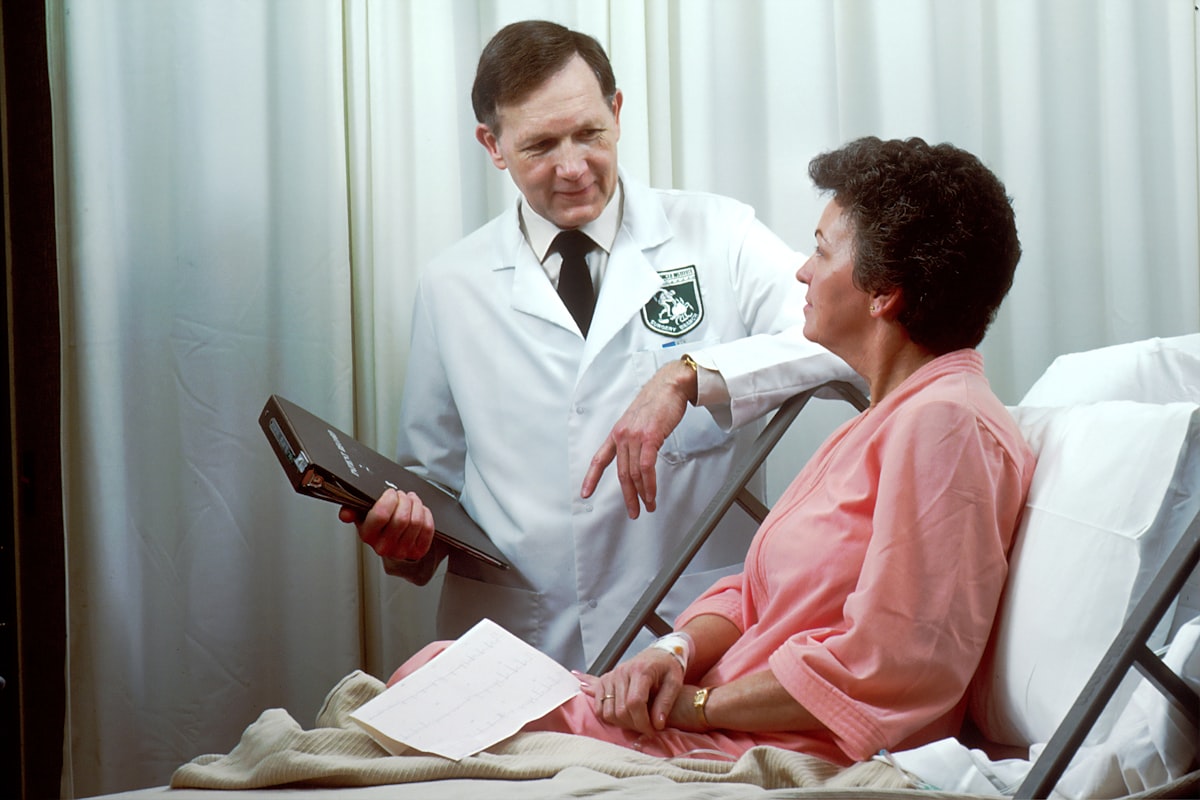
What the $50 Wegovy Coverage Means for San Antonio
$50 Wegovy Coverage launches July 1, cutting Wegovy costs to $50 copay for eligible Medicare patients. San Antonio has the most to gain.

Wegovy coverage for $50 a month is set to begin on July 1, 2026. On July 1, 2026, Medicare flips a switch that will rewrite the health trajectory of San Antonio. No city in America stands to gain more from this moment. Not one.
The countdown has entered its final month.
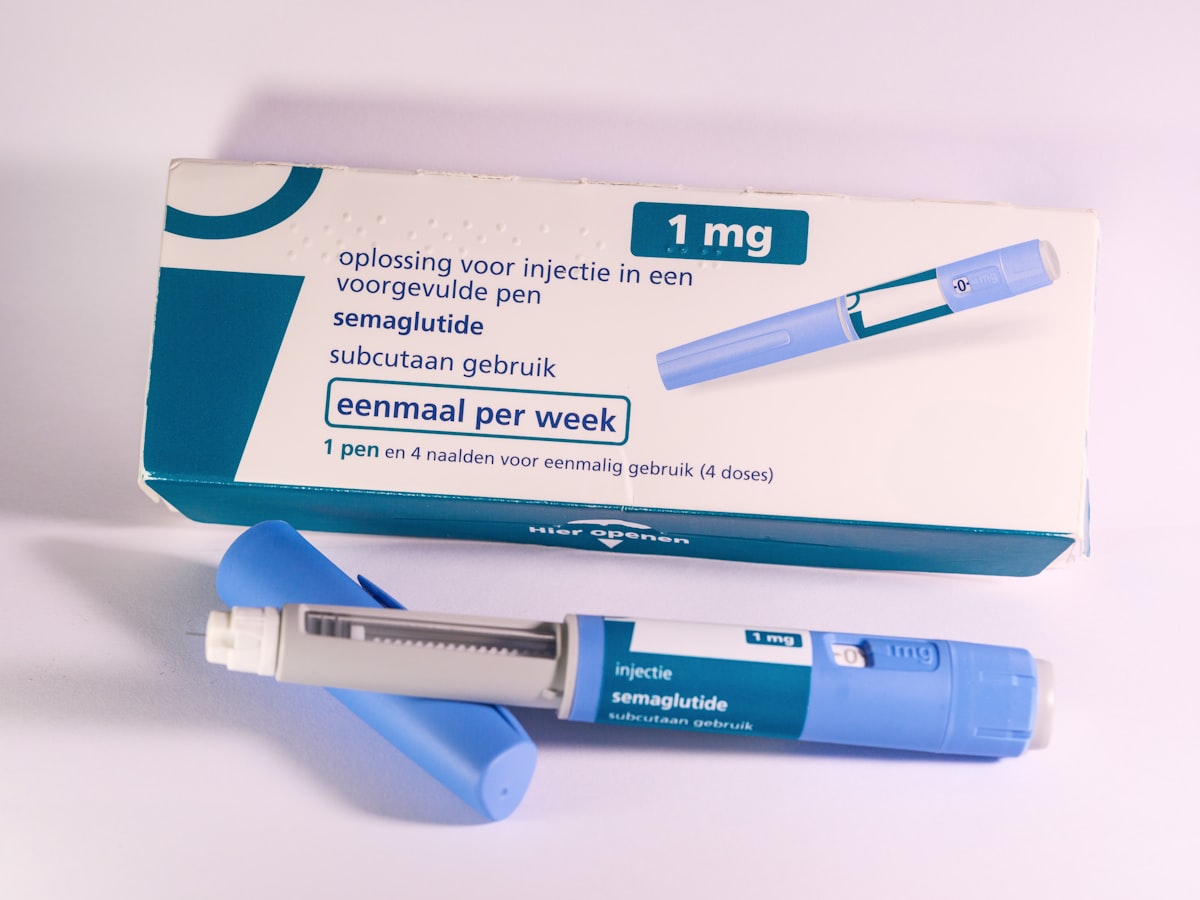
The Medicare GLP-1 Bridge program launches July 1. Eligible beneficiaries get Wegovy, the injectable or the once-daily oral pill, for a $50 monthly copay. That is it. Fifty dollars.
Right now, the same medication runs over $1,000 a month out of pocket. Most San Antonio seniors simply cannot pay that. They go without. And the consequences pile up.
Why San Antonio Has the Most to Gain
Here is the number that should stop you cold. An estimated 17 percent of Bexar County adults have diagnosed Type 2 diabetes. The national average hovers around 9 percent. Nearly double.
Another number. Roughly 72 percent of adults in the county are overweight or obese. Nationally, that figure sits at 42 percent. The gap is staggering.
Heart disease is the leading cause of death in Bexar County. Obesity, diabetes, and cardiovascular disease form a chain that has been tightening around this city for decades. The $50 Wegovy coverage is designed to break that chain at its weakest link.
A Disease Burden That Demands Action
The University Health Texas Diabetes Institute sits on the South Side of San Antonio, ground zero for the highest disease burden. Its clinicians have been documenting both the scale of the crisis and the promise of GLP-1 solutions for years.
Dr. Alberto Chavez-Velazquez, an endocrinologist at the institute who was involved in early primate research on GLP-1 drugs, put it bluntly.
"These medications will essentially prevent the development of diabetes in people with prediabetes and obesity."
That sentence carries enormous weight for San Antonio. An estimated 700,000 residents have prediabetes. That condition is reversible. Without intervention, a large fraction of those people will develop full Type 2 diabetes. With GLP-1 access, a huge portion of that progression simply never happens.
Even a 50 percent reduction in the progression rate prevents hundreds of thousands of new diabetes diagnoses over the next decade. Downstream, that means fewer kidney failures, fewer amputations, fewer cases of blindness, and fewer cardiovascular deaths. Every year.
The $1,000 Barrier That Is About to Fall
For the roughly 200,000 Medicare beneficiaries in Bexar County, many of whom carry both obesity and cardiovascular disease, the current math is brutal. Brand-name injectable Wegovy exceeds $1,000 monthly. Insurance does not cover it for weight loss. So people simply do not fill the prescription.
The $50 copay changes that calculus overnight. It moves Wegovy from impossible to manageable for tens of thousands of households.
The oral Wegovy pill, launched in January 2026 at a $149 self-pay price, also falls under the $50 copay through the Bridge program. That gives patients and providers flexibility the current market simply does not offer.
Congress Built a Wall in 2003
To understand why this moment took so long, you have to go back to the creation of Medicare Part D. In 2003, Congress explicitly banned coverage of drugs prescribed for weight loss. The legislative intent was straightforward. Lawmakers wanted to prevent Medicare from paying for expensive, marginally effective diet pills that had flooded the 1990s market.
The unintended consequence sat dormant for two decades. When GLP-1 drugs arrived with cardiovascular outcomes data that rewrote the entire understanding of obesity treatment, Medicare was legally barred from covering them for weight loss. The evidence did not matter. The law was the law.
The Medicare GLP-1 Bridge program partially circumvents that restriction. It combines the cardiovascular indication for Wegovy, which Medicare already covers, with the CMS BALANCE demonstration model and manufacturer copay support. The full statutory prohibition is being addressed through Congressional action. But the Bridge program does not wait for Congress to finish. It now makes that possible.
The SELECT cardiovascular outcomes trial showed that semaglutide reduced the risk of major adverse cardiovascular events by 20 percent in adults with obesity and established heart disease. Heart attack, stroke, cardiovascular death. Twenty percent. That is not marginal. That is a lifesaving difference.
Beyond Diabetes and Heart Disease
The American Cancer Society released research in 2026 confirming another connection. GLP-1 use is tied to reduced incidence of HR+/HER2-negative breast cancer and improved overall survival in non-diabetic women with elevated BMI. The benefits appear to extend into cancer risk reduction.
For San Antonio women carrying excess weight, that finding adds another layer of urgency. The $50 Wegovy coverage is not just about metabolic health. It touches cancer risk, cardiovascular protection, and diabetes prevention all at once.
Who Qualifies and What to Do Now
Medicare Part D beneficiaries qualify for the Bridge program if their provider prescribes Wegovy for an FDA-approved indication. That means cardiovascular risk reduction or weight management that meets BMI criteria. Clinical criteria for obesity treatment must be documented.
Medicare Part D already covers GLP-1 drugs for Type 2 diabetes. So San Antonio residents with Medicare and an existing diabetes diagnosis should also discuss Ozempic or Mounjaro coverage with their provider if they are not already on these medications.
The Prior Authorization Roadmap
The prior authorization process requires documentation of BMI and relevant comorbidities. Do not wait until July 1 to start. Schedule an appointment with your primary care provider now. Get the paperwork moving so coverage is locked in the day the Bridge program launches.
Here is what you need to know for that appointment:
- Your provider must document your BMI and any cardiovascular or metabolic comorbidities
- The prescription must align with an FDA-approved indication for Wegovy
- Medicare Part D beneficiaries with cardiovascular risk or obesity meeting clinical criteria are the core eligible population
- If you already have Type 2 diabetes and Medicare, ask about Ozempic or Mounjaro coverage as an alternative pathway
Public health diabetes resources and care coordination are available through the Texas Diabetes Institute and University Health System.
Real Talk About What Happens Next
July 1 will not fix everything overnight. The prior authorization process takes time. Provider appointments fill up. Not every eligible resident will have coverage on day one.
But the direction is unmistakable. The $50 Wegovy coverage removes the single biggest obstacle that has kept GLP-1 drugs out of reach for San Antonio's Medicare population. The cost barrier falls. What remains is the work of getting people connected to prescriptions, to providers, and to the follow-up care that makes these medications effective.
For a city where nearly one in five adults has diabetes and nearly three in four carry excess weight, the countdown to July 1 is not about policy. It is about survival.
Frequently Asked Questions
When does the $50 Wegovy coverage officially begin?
The $50 Wegovy coverage begins on July 1, 2026, when the Medicare GLP-1 Bridge program launches. The article states that 'the countdown has entered its final month' and that eligible beneficiaries can access Wegovy for a $50 monthly copay starting that day.
Why does San Antonio stand to gain the most from this coverage?
San Antonio has a disproportionately high disease burden: an estimated 17 percent of Bexar County adults have diagnosed Type 2 diabetes, nearly double the national average of 9 percent, and roughly 72 percent of adults are overweight or obese compared to 42 percent nationally. The article also notes that heart disease is the leading cause of death in Bexar County, making the $50 Wegovy coverage critical for breaking the chain of obesity, diabetes, and cardiovascular disease.
How does the Medicare GLP-1 Bridge program allow Wegovy coverage despite the 2003 Medicare ban?
The Bridge program partially circumvents the 2003 Congressional ban on covering weight-loss drugs by combining the cardiovascular indication for Wegovy, which Medicare already covers, with the CMS BALANCE demonstration model and manufacturer copay support. The article explains that this allows coverage for weight management when prescribed for an FDA-approved indication such as cardiovascular risk reduction.
Who qualifies for the $50 Wegovy coverage under the Bridge program?
Medicare Part D beneficiaries qualify if their provider prescribes Wegovy for an FDA-approved indication, which includes cardiovascular risk reduction or weight management that meets BMI criteria. The article specifies that clinical criteria for obesity treatment must be documented, and that the core eligible population includes those with cardiovascular risk or obesity meeting clinical criteria.
What health benefit beyond diabetes and heart disease does the article connect to GLP-1 use?
The article cites 2026 American Cancer Society research showing that GLP-1 use is tied to reduced incidence of HR+/HER2-negative breast cancer and improved overall survival in non-diabetic women with elevated BMI. It states that for San Antonio women carrying excess weight, this finding adds another layer of urgency to the $50 Wegovy coverage.

Sarah Jenkins covers health and medicine, translating new research into clear, practical reporting. She focuses on the science behind everyday wellbeing and the developments changing modern care.
💬 Comments (0)
No comments yet. Be the first!