My Take on Unusual Machines and the Drone Ban
I look at how Unusual Machines and political insiders stand to benefit from a proposed FCC ban on commercial drones.
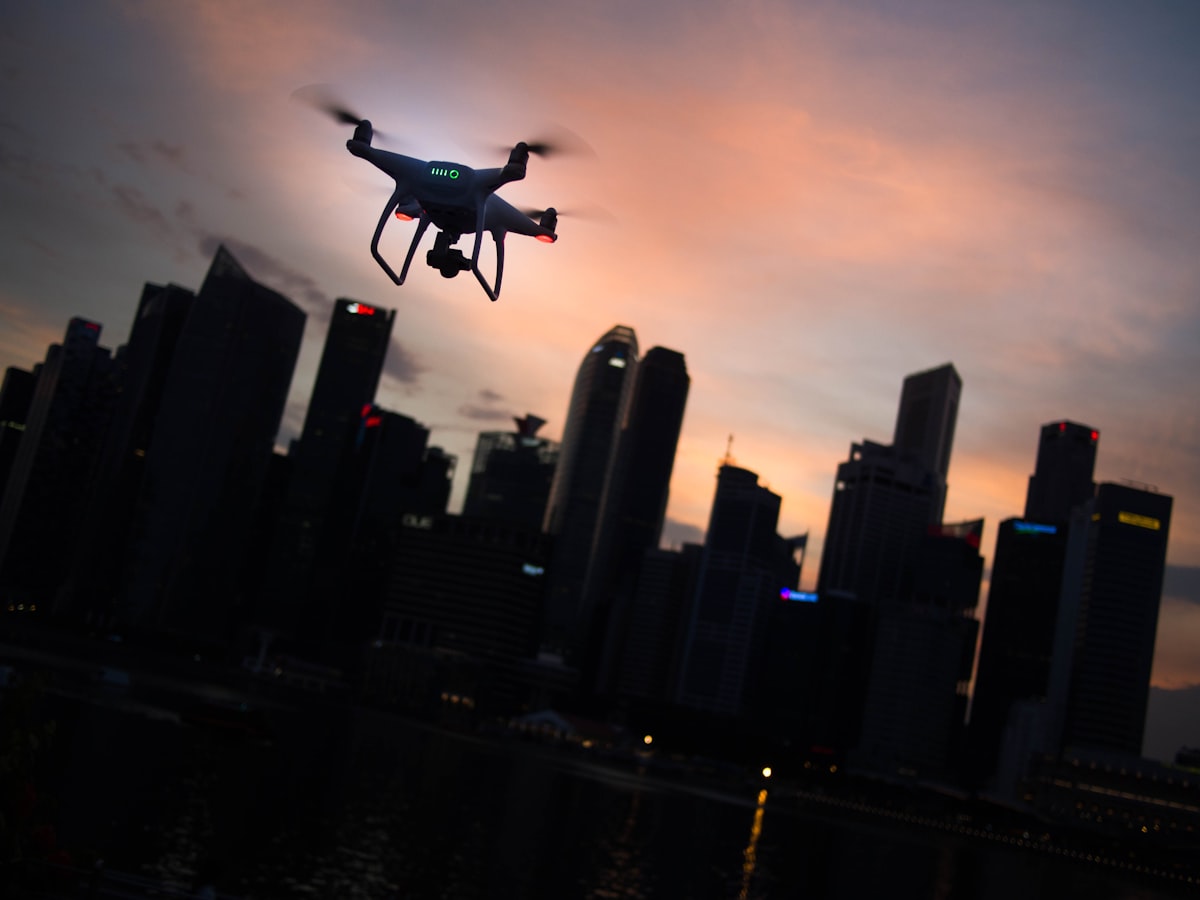
Unusual Machines sits dead center of a massive shift in the American drone market. Pay attention if you fly one for work. A quiet revolution in electric aviation has been happening right under our noses, and it didn't arrive as flashy, multi-million-dollar flying cars carrying executives over gridlock, so don't expect that Hollywood scene. Instead, it came as small unmanned aircraft systems, commonly called drones. But now, new regulatory proposals threaten to shut down this entire ecosystem under the banner of national security. That's a danger we can't ignore.
Let's cut through the noise. This isn't about hobbyists flying in parks. For years, tasks like inspecting high-voltage utility lines, mapping wildfire damage, or conducting search and rescue operations required firing up a turbine helicopter or a Cessna aircraft, and that process meant burning 20 to 30 gallons of leaded aviation gas or Jet-A fuel every hour, costing thousands of dollars, and putting flight crews in dangerous low-altitude airspace. Today, a licensed commercial pilot can pull a two-pound, battery-powered drone out of a backpack and complete the exact same job in twenty minutes. It draws less power than a countertop blender. And it produces zero localized emissions. So this is the most practical form of electric aviation we have, and it's under direct attack.
The Phony National Security Smokescreen
The FCC has issued Public Notice DA 26-758 under PS Docket No. 26-189. It proposes to revoke equipment authorizations and ban the importation and marketing of foreign-made commercial drones, all in the name of national security. But the definitions in this docket are detached from technical reality, and that's a serious problem for anyone who actually builds or flies these machines. It's dangerous. Under these proposed rules, the government wants to classify basic civilian safety features as military-grade weaponry, which means a collision-avoidance sensor could be treated like a missile guidance system. That can't stand.
What Gets Classified as Military-Grade?
If you fly a drone for everyday commercial work, the new definitions are incredibly alarming. And they're not just targeting military hardware. The FCC proposal sweeps up standard tools that have nothing to do with warfare, so it's easy to see why operators feel blindsided by the scope of what's coming. Here is what they're targeting.
- Basic thermal cameras, also known as microbolometers, used to find heat leaks in roofs or locate missing children.
- Light-ranging sensors, or LiDAR, used for high-accuracy mapping.
- Optical time-of-flight sensors used as basic safety features to keep drones from crashing into tree branches.
- Automated charging docks and coordinated flight software, which would even ban the synchronized light shows seen at county fairs.
The Operational Reality of Drone Security
Does it matter? Absolutely. It's the difference between paranoia and professionalism. But the claim that foreign-built drones are secretly beaming sensitive data back to overseas servers ignores how experienced pilots actually work, and that's a fundamental misunderstanding of the craft. Operators routinely use air-gapped workflows to keep everything secure. They fly with controllers set to airplane mode. Their devices stay completely off the internet. Raw footage goes straight to encrypted physical SD cards. You can't spy on a drone that's never connected to anything.
Congress told federal agencies to study drone security under Section 1709 of the FY2025 National Defense Authorization Act. But they haven't done it. Agencies have dodged transparent, independent, lab-tested cybersecurity audits, and that's a problem because a real, open penetration test conducted by independent engineers would show what these devices actually are. They're just civilian cameras attached to electric propellers. That's the whole story.
Follow the Money to Unusual Machines
If the security arguments do not make sense, we have to look at who actually benefits from an artificial hardware shortage. This is where Unusual Machines enters the picture. Just weeks after the 2024 presidential election, the small, publicly traded drone-parts holding company made a massive corporate announcement. They appointed Donald Trump Jr. To their advisory board and granted him hundreds of thousands of shares of stock, as documented in their official SEC Form 8-K filing.
As watchdog groups like Citizens for Responsibility and Ethics in Washington (CREW) pointed out, Unusual Machines was a struggling firm that had previously generated little revenue until buying up hobby brands like Fat Shark and Rotor Riot.
The stock jumped more than 80 percent in a single day. Immediately after the announcement, Unusual Machines saw its price surge, and then it climbed again when the administration rolled out new federal industrial support policies for domestic drone manufacturers, which added even more fuel to the fire. This company, along with a small group of venture-backed domestic drone startups and defense lobbyists, has spent years pushing for a blanket ban on foreign competitors. They can't win on price, software maturity, flight time, or reliability in an open market, so they've turned to politics instead. But that's the real story here.
Creating a Captive Monopoly
The FCC claims the economic fallout from this ban will be minor and contained. But that's a fantasy. In an open market, a small business, local newspaper, or independent roof inspector can buy a highly reliable, prosumer-grade electric camera drone for $1,500 to $3,000, and that price point has become the backbone of their daily operations, from roof assessments to breaking news coverage. If this ban goes through, those tools disappear from the market entirely. So we can't ignore the real cost.
The Disastrous Math for Small Businesses
American drone manufacturers cater almost exclusively to military and federal defense contracts. They don't build lightweight, affordable, sub-500-gram field drones for everyday commercial use. So if you need a domestic alternative that carries a basic thermal camera, you're forced to look at defense-tier platforms that cost between $15,000 and $25,000. That's a steep price. But it's the only game in town.
But here is the catch. The FCC claims pilots can keep flying the aircraft they already own, but that ignores basic battery chemistry. Commercial lithium-polymer flight batteries degrade after 150 to 250 charge cycles. If you fly regularly, your batteries wear out in 12 to 18 months. By banning the importation of critical components like replacement batteries and motors, the government is putting every commercial drone fleet in America on a delayed death sentence.
A Modern Ink Tax on Press Freedom
There is also a massive constitutional issue here that regulators want you to ignore.
The Path to Real Security
If the federal government actually wants secure communications networks, there's a sensible way forward that doesn't involve destroying small businesses, and it starts with two concrete steps. First, the FCC must drop the overbroad military-grade definitions that treat basic safety sensors like cruise missiles. That's absurd. So second, federal agencies should conduct transparent, independent cybersecurity penetration tests on commercial hardware, testing the actual devices in real-world conditions rather than relying on theoretical threat models that punish the little guys.
If there are actual software vulnerabilities, the government should publish the data and establish clear, hardware-agnostic security standards, such as mandating local-only data modes. That's a reasonable step. But strangling the most promising electric aviation tools in America doesn't make the country safer, and it doesn't protect anyone from real threats either. It simply shuts down small businesses, blinds independent journalists, and lines the pockets of political insiders. Call it what it is. We've seen this before, and it's crony capitalism at its worst.
Frequently Asked Questions
What is the proposed FCC rule regarding foreign-made commercial drones?
The FCC has issued Public Notice DA 26-758 under PS Docket No. 26-189, which proposes to revoke equipment authorizations and ban the importation and marketing of foreign-made commercial drones in the name of national security. The article states that this rule would classify basic civilian safety features as military-grade weaponry, targeting items like thermal cameras, LiDAR sensors, and collision-avoidance sensors.
How does the article describe the impact of the ban on small businesses and their drone operations?
The article says that small businesses, local newspapers, and independent roof inspectors rely on drones costing $1,500 to $3,000, which would disappear from the market if the ban goes through. Domestic alternatives with basic thermal cameras cost between $15,000 and $25,000, making them unaffordable for many. Additionally, batteries degrade after 150-250 charge cycles, and banning importation of replacement parts would put commercial drone fleets on a delayed death sentence.
Why does the article argue that the national security rationale for the ban is flawed?
The article argues that the claim that foreign drones secretly beam sensitive data ignores how experienced pilots work, as they often use air-gapped workflows with airplane mode and encrypted SD cards. It also notes that Congress mandated studies under Section 1709 of the FY2025 NDAA, but agencies have dodged independent lab tests, and real penetration tests would show these are just civilian cameras attached to electric propellers.
Who is mentioned as benefiting from the ban, and what evidence is provided?
Unusual Machines is mentioned as benefiting, with the article pointing to their appointment of Donald Trump Jr. to their advisory board and granting him hundreds of thousands of shares, as documented in SEC Form 8-K. The stock jumped over 80% in a day, and the company, along with domestic drone startups and defense lobbyists, has pushed for a blanket ban on foreign competitors because they can't win on price or reliability in an open market.
What practical steps does the article suggest for achieving real drone security?
The article suggests the FCC should drop the overbroad military-grade definitions that treat safety sensors like cruise missiles. It also recommends that federal agencies conduct transparent, independent cybersecurity penetration tests on commercial hardware in real-world conditions, and if vulnerabilities exist, publish data and establish hardware-agnostic security standards like mandating local-only data modes.

Dominic Fischer writes about cars and the future of mobility, covering everything from new launches to charging infrastructure. He follows how the way we drive is changing and what comes next on the road.
💬 Comments (0)
No comments yet. Be the first!