Why Secretarial Order 3376 Failed to Open Trails
A look at why Secretarial Order 3376 failed to open federal public lands to e-bikes as bureaucracy created massive loopholes.
Secretarial Order 3376 was signed in 2019. Then-Interior Secretary David Bernhardt had a clear and straightforward purpose. He aimed to open up federal public lands to electric bikes. But the bureaucracy mounted a quiet resistance, and the directive instructed agencies to stop treating low-speed e-bikes like dirt bikes or gas-guzzling ATVs, so any trail that permitted a traditional human-powered bicycle was supposed to welcome e-bikes as well. This was designed to be a sweeping victory for outdoor recreation, accessibility, and the cleantech sector. It's neutralized now. Riders face a confusing patchwork of local restrictions instead.
How the federal bureaucracy bypassed the executive order
The pushback wasn't a loud public debate. It happened quietly, behind closed doors, as agency lawyers and mid-level managers took control of the implementation process, but when the Bureau of Land Management and the National Park Service released their final, enforceable rules in late 2020, they didn't execute a broad, top-down mandate. Instead, these agencies carved out a massive loophole by giving local land managers the discretion to approve or deny e-bike access on a case-by-case basis. It's a simple escape.
This single decision shifted the burden of proof from the federal government down to individual field offices. It stalled the policy. But case-by-case reviews trigger lengthy administrative requirements in federal land management, and local offices suddenly faced the daunting task of navigating complex regulatory frameworks just to make simple trail changes. So the bureaucracy effectively ground the initiative to a halt instead of opening up trails. They can't move forward.
The administrative hurdles blocking trail access
A local field manager cannot simply put up a new sign allowing e-bikes on a trail. To alter any trail designation, managers must navigate a dense forest of paperwork, including:
- Conducting formal environmental assessments under the National Environmental Policy Act.
- Organizing and managing public comment periods.
- Handling organized pushback from legacy trail groups who think anything with a battery belongs on an OHV route trying to get through mud and bog on steep climbs.
This process takes years to complete. But it's painfully slow. While paperwork sits on desks in local offices, the default status of the trails remains unchanged, and riders are greeted by new signs specifically banning e-bikes in many areas instead of seeing trails open up.
The real-world consequences for riders and industry
Secretarial Order 3376 failed. It's created an unpredictable environment for consumers where a rider can purchase a legal, low-speed pedal-assist bicycle, travel to a public trail, and find themselves turned away simply because a local office has not finished a multi-year regulatory review. This gridlock directly impacts individuals who rely on electric assist to experience the outdoors. That includes older Americans and disabled veterans who cannot ride standard mountain bikes on steep terrain.
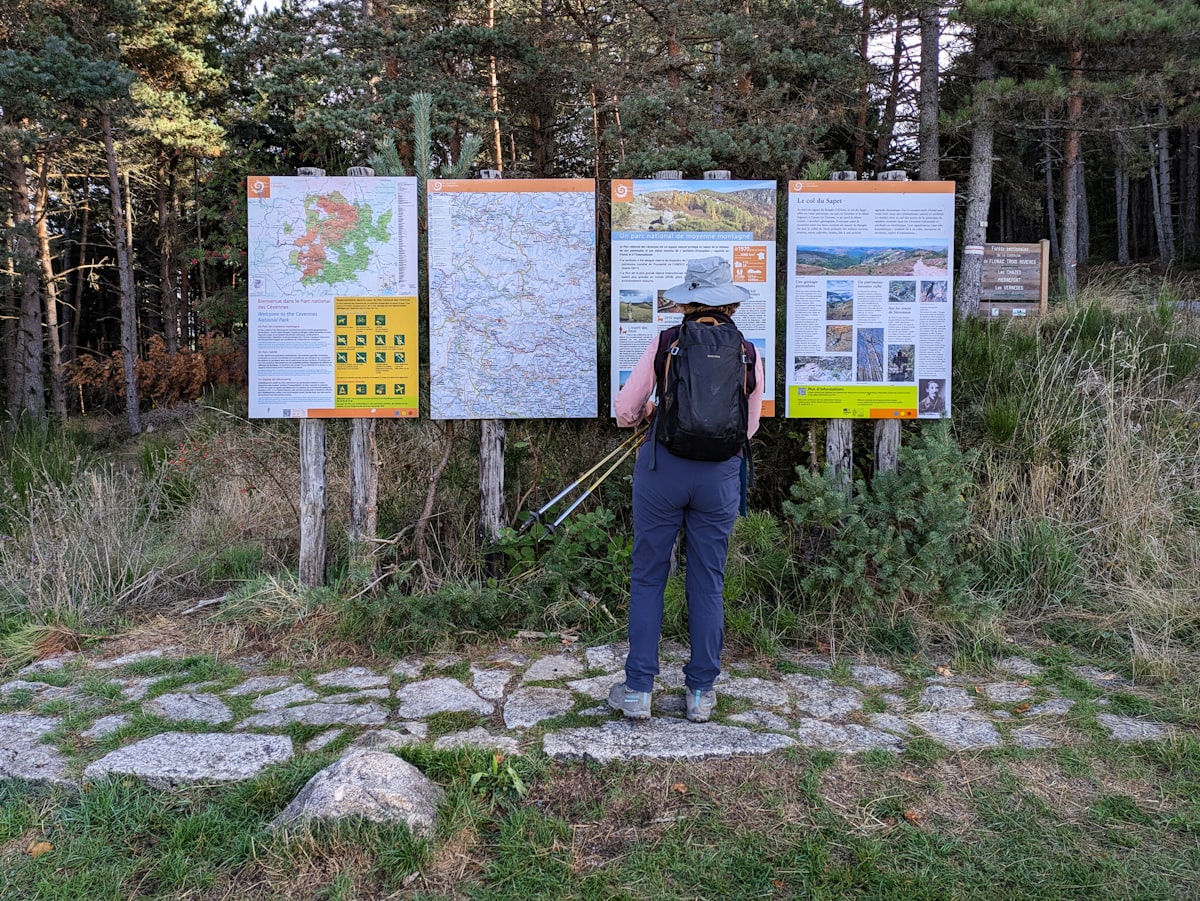
Treating a 750-watt bicycle like a motorcycle hurts consumers and the American companies building them.
The current regulatory gridlock treats low-speed electric bicycles like dirt bikes or gas-guzzling ATVs. That's a mistake. This classification actively stifles a growing industry that builds legitimate electric vehicles designed to help people cut emissions, replace car trips, and stay active, so it's time we fix what's broken.
An alternative path to resolve the trail gridlock
Bypass this administrative mess. It's straightforward. The federal government could establish a universal standard that allows all e-bikes on standard bicycle trails, provided that riders adhere to a strict speed limit, and that would achieve the original goals of the 2019 directive.
Regulating rider behavior instead of vehicle hardware
A universal speed limit of 15 mph on standard trails would address safety concerns without requiring complex hardware inspections. This approach simplifies things for everyone involved:
- Rangers can easily monitor and enforce a speed limit using radar guns, just as they do on public roads.
- Local staff do not need to spend time inspecting motor wattage labels or debating the differences between Class 1 and Class 2 hardware at trailheads.
- Land managers can use targeted tools, such as banning throttle use on fragile dirt sections, while still permitting riders to pedal through.
David Bernhardt signed Secretarial Order 3376 to bring common-sense access to public lands. But the federal bureaucracy successfully resisted the change, and until the administration addresses those root administrative bottlenecks, we can't expect the promise of open trails to be fulfilled. It's a broken system.
Frequently Asked Questions
What was the original purpose of Secretarial Order 3376?
The order aimed to open up federal public lands to electric bikes. It instructed agencies to stop treating low-speed e-bikes like dirt bikes or ATVs, so any trail permitting traditional bicycles would also welcome e-bikes.
How did federal agencies effectively neutralize Secretarial Order 3376?
Agencies like the Bureau of Land Management and the National Park Service carved out a loophole by giving local land managers discretion to approve or deny e-bike access on a case-by-case basis. This shifted the burden of proof to individual field offices, stalling the policy through lengthy administrative requirements.
Why does case-by-case review create administrative hurdles for trail access?
Local managers must navigate complex regulatory frameworks, including conducting environmental assessments under the National Environmental Policy Act and managing public comment periods. These processes take years, leaving trails in their default status and often resulting in new signs banning e-bikes.
Who is most impacted by the failure of Secretarial Order 3376?
The gridlock directly impacts individuals who rely on electric assist to experience the outdoors, such as older Americans and disabled veterans who cannot ride standard mountain bikes on steep terrain. It also stifles the growing e-bike industry and hurts consumers who find themselves turned away from trails.
What alternative solution does the article propose to resolve the trail gridlock?
The article suggests establishing a universal speed limit of 15 mph on standard trails instead of regulating vehicle hardware. This would allow rangers to enforce speed limits with radar guns and let local staff avoid inspecting motor wattage or debating class differences at trailheads.

Sebastian Wolf reports on the car industry, from performance machines to the engineering that powers them. He is fascinated by how manufacturers balance tradition with the rapid move to electrification.
💬 Comments (0)
No comments yet. Be the first!